Nitin Gadkari on Marathi row: Pride in language must not turn into fanaticism
Synopsis
Nitin Gadkari walked a careful line on 'Shekhar Tonight' — defending Marathi pride while warning against linguistic fanaticism, and deflecting Bihari migrant concerns by citing his ministry's road and bridge record in Bihar. The exchange captures the tension at the heart of Maharashtra's language politics: cultural assertion versus constitutional equality.
Key Takeaways
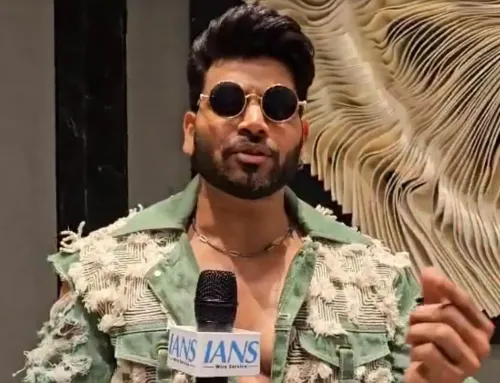
Nitin Gadkari appeared on the debut episode of Shekhar Suman's revived talk show 'Shekhar Tonight' after a 14-year gap.
Gadkari said pride in every language's literature and culture is healthy, but 'must never turn into fanaticism or obsession.' He responded to concerns about threats to Bihari migrant workers by citing his ministry's infrastructure work — bridges and roads — in Bihar .
On politics, Gadkari argued that voters themselves bear responsibility for the quality of political leadership they elect.
A three-time MP, Gadkari said he has never discriminated on the basis of caste, religion, language, or gender in his constituency work.
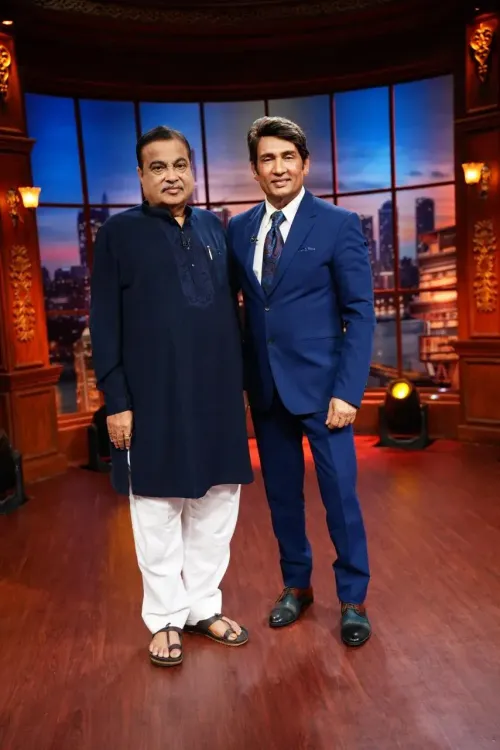
Union Minister for Road Transport and Highways Nitin Gadkari addressed the Marathi language controversy head-on during an appearance on actor Shekhar Suman's revived talk show 'Shekhar Tonight', stating that while every language deserves pride in its culture and literature, that pride must never cross into fanaticism. The episode, the show's debut after a 14-year hiatus, aired on YouTube and covered language politics, public accountability, and Gadkari's personal principles in public life.
The Marathi Language Debate
Host Shekhar Suman raised the recent controversy over threats issued to migrant workers in Maharashtra, referencing demands that those unable to speak Marathi be barred from driving auto-rickshaws or scooters. Suman, identifying himself as a Bihari, quipped: 'It was recently said that those who cannot speak Marathi will not be allowed to drive autos or scooters. This made Biharis like us a little nervous. Take care of us too.'
Gadkari responded with a measured smile, pointing to his ministry's infrastructure record in Bihar as evidence of no bias: 'After Bihar became a separate state, we built the maximum number of bridges and roads on the river Ganga and changed the picture of the entire Bihar. If we were against Biharis, would we have done all this?'
Gadkari's Position on Language Pride
The minister then offered a more nuanced view, distancing himself from linguistic hardliners. He said he had himself remarked earlier: 'If I had no other work and had to drive an auto-rickshaw, I would also learn Marathi.' He explained that not knowing the local language can affect one's livelihood — but drew a firm line at coercion.
'Every language should be proud of its literature and culture,' Gadkari said, 'but this pride should never turn into fanaticism or obsession.' This comes amid a broader and recurring debate in Maharashtra about the rights of migrant workers versus the protection of local linguistic identity — a tension that has periodically flared since the rise of regional political movements in the state.
On Politics and Public Accountability
Gadkari used the platform to reflect on the nature of democratic politics, offering a candid assessment. 'Politics is not just about gaining power. It is a blend of agreements, compulsions, limitations and contradictions,' he said. Notably, he placed a share of responsibility on voters themselves: 'Sometimes the people themselves are more responsible than political parties or leaders for what angers them. The day the public decides what it will accept and what it will not, and does not vote for those who do wrong politics, the system will start changing.'
Principles and Constituency Work
A three-time Member of Parliament, Gadkari spoke about the red lines he has drawn in his political career. 'I had decided that beyond a point, I would never compromise on my principles and values,' he said. When caste-based agitations gained momentum in Maharashtra, he claimed to have publicly opposed them. 'For me, every person in my Lok Sabha seat is his or her own, whether they voted for me or not. I will never discriminate against anyone on the basis of caste, religion, faith, language or gender,' he added.
'Shekhar Tonight' is produced by Dharmesh Sangani and Adhyayan Suman, and streams on YouTube. The show's return after over a decade signals renewed appetite for long-form political conversation in the Indian digital media space.
Point of View
Or whether the 'pride not fanaticism' line remains rhetorical cover. The voter-accountability argument, while philosophically sound, also conveniently deflects scrutiny from political parties. In a state where linguistic identity and electoral arithmetic are deeply intertwined, Gadkari's nuance may satisfy moderates but is unlikely to settle the underlying dispute.
NationPress
2 Oct 2026
Frequently Asked Questions
What did Nitin Gadkari say about the Marathi language controversy?
Gadkari said that while every language should be proud of its literature and culture, that pride must never turn into fanaticism or obsession. He made the remarks on actor Shekhar Suman's talk show 'Shekhar Tonight' in response to questions about threats issued to non-Marathi-speaking migrant workers in Maharashtra.
How did Gadkari respond to concerns about Bihari migrants in Maharashtra?
Gadkari pointed to his ministry's infrastructure record in Bihar — building the maximum number of bridges and roads on the Ganga — as evidence that neither he nor his government harbours anti-Bihari sentiment. He also noted that not knowing the local language can affect a person's livelihood, but stopped short of endorsing coercive measures.
What is 'Shekhar Tonight' and why is it significant?
'Shekhar Tonight' is a talk show hosted by actor Shekhar Suman that returned after a 14-year break, streaming on YouTube. Its debut episode featured Nitin Gadkari and covered language politics, democratic accountability, and the minister's personal principles — signalling renewed interest in long-form political conversation on Indian digital platforms.
What did Gadkari say about politics and voter responsibility?
Gadkari described politics as a blend of agreements, compulsions, limitations, and contradictions. He argued that voters themselves are sometimes more responsible than politicians for poor governance, and that the system will change only when the public collectively refuses to vote for those who practise 'wrong politics'.
What are Gadkari's stated principles on caste and language discrimination?
Gadkari, a three-time MP, said he has publicly opposed caste-based agitations in Maharashtra and treats every constituent — regardless of whether they voted for him — as part of his family. He stated he will never discriminate on the basis of caste, religion, faith, language, or gender.