Shankar Mahadevan reveals how 'Koi Kahe' was stitched together in post-production
Synopsis
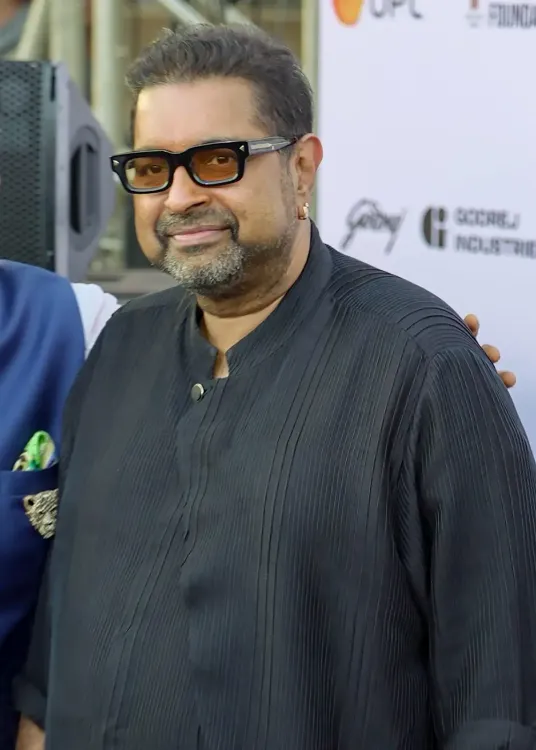
Shankar Mahadevan has finally explained why 'Koi Kahe' sounds impossibly seamless — all three singers, including the late KK, recorded the entire song solo, and their best takes were stitched together in post-production. It's a rare studio secret from one of Bollywood's most beloved soundtracks, and it reframes how a generation heard that song.
Key Takeaways
Shankar Mahadevan revealed that KK , Shaan , and himself each recorded the full song 'Koi Kahe' independently before their parts were divided in post-production.
Shaan noted the singers were physically present in the same room but recorded separately, making the final track sound as though they sang together. 'Dil Chahta Hai' , directed by Farhan Akhtar , became a landmark of modern Hindi cinema and a cultural touchstone for urban Indian youth.
Composer Ehsaan Noorani recalled that 'Koi Kahe' famously packed the dance floor at the Athena club — a milestone for Hindi music entering western-style nightlife spaces.
A rival music company had reportedly predicted the album would only sell in Malabar Hills ; its mainstream crossover proved that assumption wrong.
Music composer Shankar Mahadevan has revealed that all three vocalists on the iconic Dil Chahta Hai track 'Koi Kahe' — KK, Shaan, and Mahadevan himself — each recorded the entire song independently, after which their individual renditions were edited and assembled in post-production to create the seamless result listeners know today.
How the recording unfolded
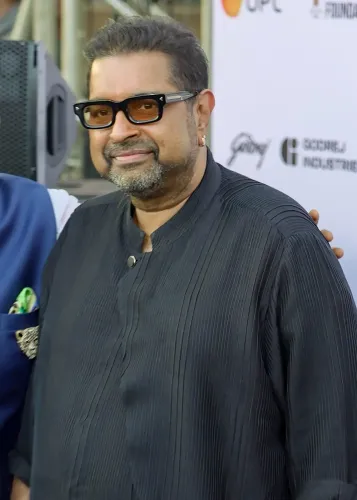
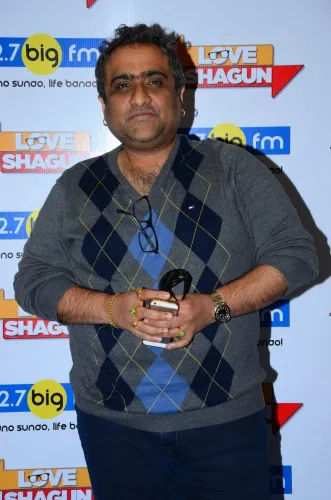
The revelation came during a special video conversation hosted by Meiyang Chang, in which Mahadevan sat down alongside his fellow composers Ehsaan Noorani and Loy Mendonsa, as well as playback singer Shaan. When asked whether the singers recorded together in the booth, Shaan clarified: 'I think we were there in the room together. But we recorded it separately. And KK of course was there. If you listen to it, you can't tell it was done separately. There is something about it that feels as if we were together.'
Mahadevan then explained the technique behind that cohesion: 'Actually, all of us had sung the whole song. Everybody sang the whole song and then we made the divisions. So, that's why it sounds very seamless.'
The film and its cultural legacy
'Dil Chahta Hai' marked the directorial debut of Farhan Akhtar and became a defining work of modern Hindi cinema, celebrated for its portrayal of urban friendship, romance, and youthful independence. Its Goa road-trip sequence became a cultural touchstone that has inspired generations to recreate the journey. The film's visual language, casual fashion, and conversational storytelling also reshaped Bollywood's depiction of contemporary urban India.
The club anecdote that says it all
Composer Ehsaan Noorani shared a striking anecdote about the song's impact. He recalled a night at a club called Athena in the city: 'We were having dinner there. There was a glass division where you ate dinner and stuff and on the other side people were dancing. And the last song that they played was 'Koi Kahe'. Everybody there got on to the dance floor. The dance floor was packed. We couldn't get out of there. After the thing got over, the DJ came up to me saying, 'It's all your fault, all your fault'.'
Noorani added that the track broke a significant cultural barrier: 'It's the first Hindi song really in western clubs. Another music company said that this album will only sell in Malabar hills.' Mahadevan echoed the sentiment, noting: 'They used to feel that playing Hindi songs is not cool. This is the first album that they played.'
The soundtrack's broader influence
The Dil Chahta Hai album blended rock, pop, and Indian musical sensibilities in a way that was largely unprecedented for mainstream Bollywood at the time. It demonstrated that Hindi film music could travel beyond its traditional audience and thrive in urban nightlife spaces — a shift that paved the way for subsequent fusion-driven soundtracks. The candid recollections from Mahadevan, Noorani, Mendonsa, and Shaan offer a rare behind-the-scenes window into one of Indian cinema's most beloved musical collaborations.
Point of View
Having three singers lay down the full track and then editing the best of each was an expensive, labour-intensive choice that paid off in a timelessness the song still carries. What is equally underreported is the cultural barrier the album broke: Hindi music's entry into urban club spaces was not inevitable — it required a sound confident enough to hold its own next to western pop. That Noorani's anecdote about Athena still resonates two decades later suggests the industry has not fully acknowledged how much that single album shifted the rules.
NationPress
27 Sept 2026
Frequently Asked Questions
How was 'Koi Kahe' from Dil Chahta Hai recorded?
According to Shankar Mahadevan, all three singers — KK, Shaan, and Mahadevan himself — each sang the entire song independently. Their recordings were then divided and assembled in post-production, which is why the final track sounds seamless despite being recorded separately.
Who sang 'Koi Kahe' in Dil Chahta Hai?
'Koi Kahe' was sung by Shankar Mahadevan, KK, and Shaan. The song was composed by the trio of Shankar, Ehsaan Noorani, and Loy Mendonsa for the 2001 film 'Dil Chahta Hai', directed by Farhan Akhtar.
Why is 'Dil Chahta Hai' considered a landmark Hindi film?
'Dil Chahta Hai' marked Farhan Akhtar's directorial debut and redefined urban Hindi cinema with its portrayal of friendship, romance, and youthful independence. Its Goa road-trip sequence became a cultural touchstone, and its soundtrack blended rock, pop, and Indian music in an unprecedented way for mainstream Bollywood.
What is the Athena club story associated with 'Koi Kahe'?
Composer Ehsaan Noorani recalled that 'Koi Kahe' was played at Athena, a popular club, and immediately packed the dance floor — a significant moment because Hindi film songs were not typically played in such venues at the time. The DJ reportedly told Noorani it was 'all your fault' for creating such a song.
Did anyone doubt the Dil Chahta Hai album's commercial appeal?
Yes. According to Ehsaan Noorani, a rival music company predicted the album would only sell in Malabar Hills, implying a limited, niche audience. Its widespread crossover success, including in urban nightclubs, proved that prediction wrong and helped normalise Hindi film music in new social spaces.