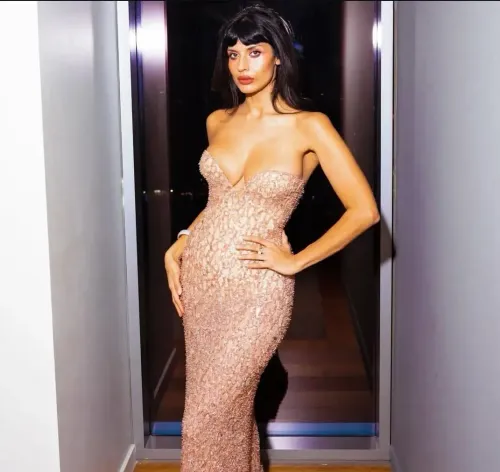
Jameela Jamil slams botox culture: 'Miss faces that move, emotion is power'
Synopsis
Jameela Jamil’s Instagram post is more than a lament about frozen faces — it connects botox culture directly to the AI replacement threat. Her argument: homogenised, expressionless faces are easier for AI to replicate, and the beauty industry may be inadvertently accelerating women’s displacement from screens. It’s a sharp, uncomfortable thesis that mainstream coverage is treating as a celebrity opinion rather than an industry warning.
Key Takeaways
Jameela Jamil posted a detailed critique of botox culture on Instagram , saying she misses women’s natural facial expressiveness.
She described botox as ‘a prison’ and said frozen faces are robbing women of emotional power at a time they ‘should be ROARING.’ Jamil argued that cosmetically homogenised faces make it easier for AI to replicate and replace women on screen and online.
The actress said she can no longer watch TV without being distracted by the expressionlessness of her favourite actors.
Jamil is best known for playing Tahani Al-Jamil in the NBC series The Good Place and has a history of speaking out on body image and beauty standards.
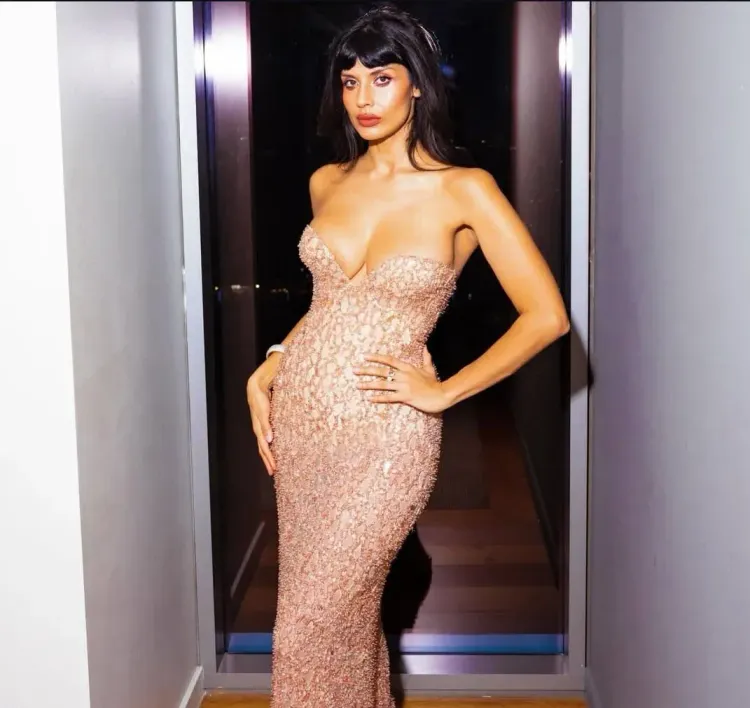
British actress Jameela Jamil has launched a pointed critique of the widespread use of botox and cosmetic injectables, saying she misses watching women's faces move freely — frowning, laughing, and expressing emotion without visible strain. The actress shared her views in a detailed note on Instagram, arguing that frozen facial expressions are eroding emotional authenticity on screen and in everyday life.
What Jamil Said
In her post, Jamil wrote: “I can’t look at Botoxed faces anymore. I miss the faces that move. I miss women frowning and laughing without it looking painful.” The actress, who is in her forties, added that she misses the unfiltered expressiveness of her peers: “My peers are injecting all the wild out of themselves and I miss it. I miss it terribly. I’m so sorry. I don’t mean this with judgement or to offend. I just miss the facial freedom of women.”
Jamil described botox as a form of confinement, writing: “Botox is a prison that presents as stoicism in a time women should be fucking ROARING. We should not be paying to take risks with our faces and health, to be tamed by a bunch of men who fancy children.” She also noted the toll on her viewing experience: “I can’t watch TV anymore without being distracted by how expressionless my favourite actors have become. It’s too much. We have lost a grip on reality. Emotion is POWER.”
The AI Angle
In the caption accompanying her post, Jamil raised a broader concern beyond aesthetics: “I truly believe this is a ploy to make it so easy to replace women with AI on screen and online. It’s easy to replicate a motionless face that looks like every other face. It’s already happening.” The suggestion — that cosmetic homogenisation could lower the barrier for AI to replicate female faces — adds a technological dimension to what might otherwise be read as a personal aesthetic preference. Notably, the concern echoes growing industry anxiety about AI-generated performers displacing human actors, particularly women.
Who Is Jameela Jamil
Jamil began her career hosting a pop culture series on the T4 programming block between 2009 and 2012, before moving into radio as co-host of The Official Chart Update alongside Scott Mills. She is best known internationally for playing Tahani Al-Jamil in the NBC fantasy comedy series The Good Place. She has previously been vocal on body image, social media filters, and the pressures women face around appearance.
Wider Context
Jamil’s remarks arrive at a moment of intensifying public debate around cosmetic procedures and their normalisation, particularly among women in entertainment. Critics of botox culture have long argued that industry pressure — rather than personal choice — drives many women toward injectables. Jamil’s framing goes further, connecting the trend to patriarchal beauty standards and, now, to the emerging threat of AI displacement in the creative industry. Whether or not her AI thesis gains traction, her post has reignited a conversation that the entertainment world has largely skirted.
Point of View
But the AI thread deserves more scrutiny. She is not wrong that a face stripped of idiosyncrasy is easier to synthesise — the entire logic of deepfake technology depends on pattern regularity. If the beauty industry is inadvertently standardising female faces toward AI-replicable norms, that is a structural problem, not a personal preference. The entertainment industry, already wrestling with AI likeness rights after the 2023 Hollywood strikes, has yet to connect this particular dot. Jamil just connected it publicly — and the silence from studios is telling.
NationPress
18 Oct 2026
Frequently Asked Questions
What did Jameela Jamil say about botox on Instagram?
Jameela Jamil posted a lengthy note on Instagram saying she can no longer look at botoxed faces and misses the natural expressiveness of women’s faces. She called botox ‘a prison’ and argued that frozen facial expressions diminish emotional authenticity on screen and in life.
Why did Jameela Jamil connect botox to AI?
In her Instagram caption, Jamil argued that cosmetically homogenised, expressionless faces are easier for AI to replicate, making it simpler to replace women with AI-generated likenesses on screen and online. She said this process is ‘already happening.’
Who is Jameela Jamil?
Jameela Jamil is a British actress and media personality best known for playing Tahani Al-Jamil in the NBC fantasy comedy series The Good Place. She began her career on the T4 programming block and co-hosted The Official Chart Update on radio alongside Scott Mills.
Has Jameela Jamil spoken about beauty standards before?
Yes. Jamil has a well-documented history of speaking out on body image, social media filters, and the pressures placed on women around appearance. Her botox post is consistent with her broader public advocacy on these issues.
What is the broader debate around botox in entertainment?
There is a growing public conversation about whether the normalisation of cosmetic injectables in entertainment is driven by genuine personal choice or by industry and patriarchal beauty pressure. Jamil’s post adds a new dimension by linking the trend to AI displacement risk for women in the creative industry.