Kamal Haasan on Dharmendra Pradhan resignation: 'This is democracy in action'
Synopsis
Kamal Haasan's response to Dharmendra Pradhan's resignation goes beyond celebrity commentary — he frames it as proof that sustained democratic dissent works, while immediately raising the stakes by demanding a National Commission on Education Reform. His invocation of student Anitha's death and Tamil Nadu's voice signals that the south's long-standing grievance with centralised entrance exams is now inseparable from this national moment.
Key Takeaways
Kamal Haasan posted on X on 25 July calling Dharmendra Pradhan's resignation 'democracy in action.' He urged the formation of a National Commission on Education and Examination Reform with a three-month roadmap .
Haasan specifically called for the commission to hear Tamil Nadu's voice, citing student Anitha's death as an early cost of high-stakes single entrance tests.
Pradhan resigned on Saturday after weeks of student protests over NEET-UG paper leak allegations and a police crackdown at Jantar Mantar on 20 July .
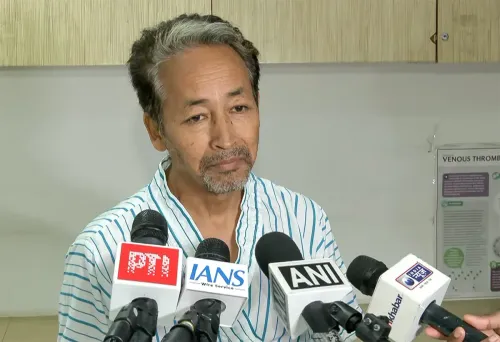
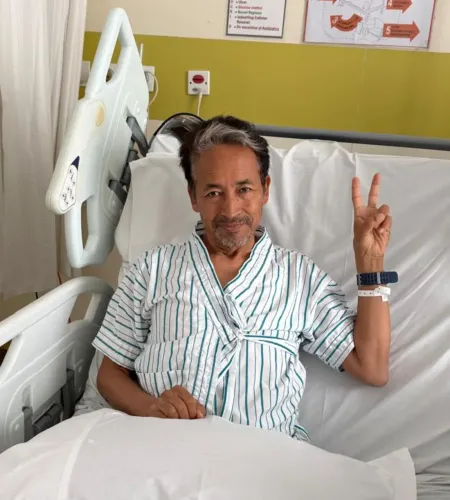
Activist Sonam Wangchuk was removed by Delhi Police from Jantar Mantar on 18 July after 21 days of an indefinite hunger strike, intensifying nationwide protests.
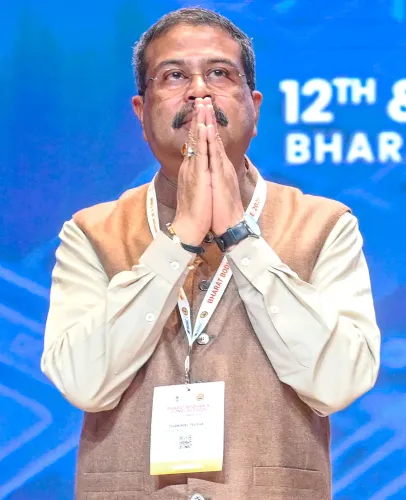
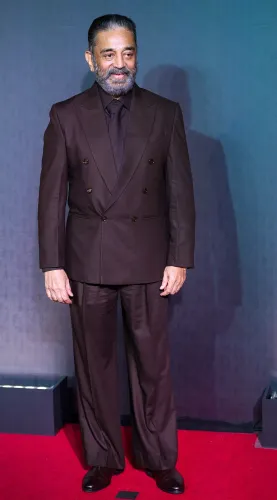
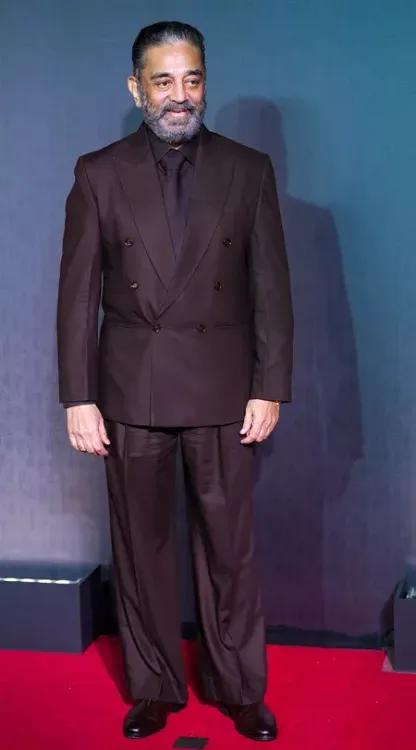
Veteran actor Kamal Haasan has responded to the resignation of Union Education Minister Dharmendra Pradhan, calling the development a landmark moment for Indian democracy. Taking to his official account on X (formerly Twitter) on Saturday, 25 July, Haasan posted a detailed note urging national dialogue and structural reform of the education system.
What Kamal Haasan Said
In his post, Haasan wrote: 'Glad to see dialogue replacing confrontation. Dissent deserves dialogue. This is democracy in action. Pellet guns, electric shock batons and nail-studded lathis have no place in the land of Bapu. Equally, attacks on security personnel and public property must be examined fairly. Accountability cannot be selective.'
Haasan argued that Pradhan's resignation under sustained public pressure represents a more significant moment than the paper leaks that originally ignited the student movement. He described it as an opportunity that must not be squandered.
Call for a National Education Commission
The actor urged the government to constitute a National Commission on Education and Examination Reform, with a three-month roadmap to restore trust in examinations, reduce academic stress, and modernise the education framework. He specifically called for the commission to incorporate Tamil Nadu's perspective, invoking the death of student Anitha — widely cited as an early human casualty of the pressure generated by single high-stakes entrance tests.
'The Government's willingness to engage is welcome. Now let us ensure that dialogue leads to lasting reform. The road ahead is long, but Indians must walk it together,' Haasan added.
The Protests That Forced the Resignation
Dharmendra Pradhan tendered his resignation on Saturday following weeks of sustained student protests centred on Jantar Mantar in New Delhi, primarily over alleged irregularities in the NEET-UG examination, including a reported paper leak. The movement had been building pressure on the government for weeks before his exit.
The protests escalated sharply after Delhi Police cracked down on demonstrators at Jantar Mantar on 20 July, drawing widespread public outrage. Citizens joined students in large numbers in the days that followed, and the demonstrations spread from the capital to metro cities and eventually to smaller towns across India.
Sonam Wangchuk's Role in the Movement
A pivotal moment in the agitation came when activist Sonam Wangchuk — who had been on an indefinite hunger strike at Jantar Mantar for 21 days demanding Pradhan's resignation over alleged exam irregularities — was forcibly removed by Delhi Police in the early hours of 18 July. Authorities shifted him to a hospital, citing his deteriorating health, medical advice, and compliance with a Delhi High Court order. His removal further inflamed public sentiment and broadened the protest's reach.
With Pradhan's resignation now a fact, attention shifts to whether the government will follow through on substantive examination reforms — a question Haasan's post places squarely at the Centre's door.
Point of View
A balance few public figures attempted. His demand for a National Commission is the real news buried inside the celebrity reaction: it reframes the NEET crisis from a scandal to be managed into a structural failure to be reformed. The invocation of Anitha is a pointed reminder that Tamil Nadu's resistance to NEET predates this crisis by years and has already claimed lives. Whether Delhi treats this as a moment for genuine reform or as a political pressure valve to be released and forgotten will define the credibility of whatever comes next.
NationPress
25 Jul 2026
Frequently Asked Questions
What did Kamal Haasan say about Dharmendra Pradhan's resignation?
Kamal Haasan called the resignation 'democracy in action' in an X post on 25 July, saying it proved that dialogue can replace confrontation. He also condemned the use of pellet guns and batons against protesters while calling for equal accountability for attacks on security personnel.
Why did Dharmendra Pradhan resign as Education Minister?
Dharmendra Pradhan resigned following weeks of student-led protests over alleged irregularities in the NEET-UG examination, particularly a reported paper leak. The protests intensified after a Delhi Police crackdown on demonstrators at Jantar Mantar on 20 July.
What reform did Kamal Haasan demand following the resignation?
Haasan called for the formation of a National Commission on Education and Examination Reform with a three-month roadmap to restore trust in exams, reduce academic stress, and modernise education. He specifically asked that Tamil Nadu's concerns be included.
Who is Sonam Wangchuk and what was his role in the protests?
Sonam Wangchuk is an activist who undertook a 21-day indefinite hunger strike at Jantar Mantar demanding Pradhan's resignation over alleged exam irregularities. His forcible removal by Delhi Police on 18 July significantly escalated the protests nationwide.
Who was Anitha and why did Kamal Haasan mention her?
Anitha was a Tamil Nadu student whose death became a symbol of the human cost of high-stakes centralised entrance tests. Haasan cited her case to argue that Tamil Nadu's concerns about single-exam systems must be central to any national education reform.