Amnesty urges Pakistan to end PoK crackdown amid 50-day rights siege
Synopsis
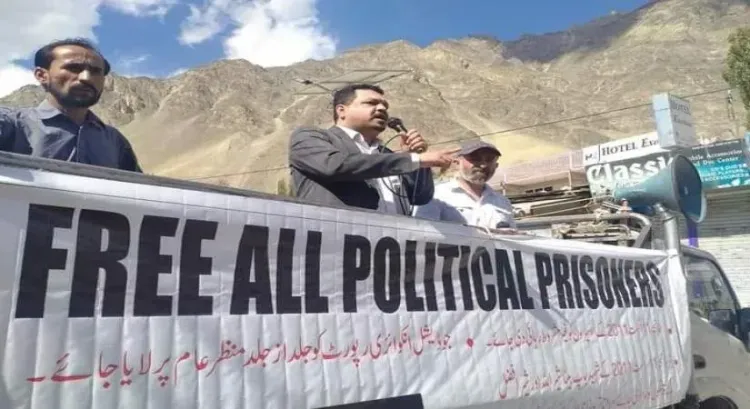
With regional elections in PoK just two days away, Amnesty International has flagged 50 consecutive days of internet blackouts, mass arbitrary arrests, and movement restrictions — and both the rights body and the UN's human rights office are now publicly demanding Islamabad reverse course. The crackdown on JAAC, a key civil society group, has drawn particular condemnation.
Key Takeaways
Amnesty International on 25 July condemned 50 days of internet blackouts, arbitrary arrests, and movement curbs in Pakistan-occupied Kashmir (PoK) .
The rights body demanded Pakistan restore internet services, release arbitrarily detained individuals, and lift the ban on JAAC .
The UN Office of the High Commissioner for Human Rights (OHCHR) also raised alarm last week, calling for due process and legal access for detained JAAC leaders.
The JAAC reported a voluntary shutdown and ongoing sit-ins across PoK despite harsh weather, maintaining the movement is 'resolute and united.' Regional elections in PoK are scheduled for 27 July , raising concerns about the legitimacy of the vote amid the crackdown.
Amnesty International on Saturday, 25 July expressed grave concern over an ongoing crackdown in Pakistan-occupied Kashmir (PoK), citing 50 days of internet blackouts, mass arbitrary arrests, and sweeping restrictions on movement imposed by Pakistani authorities. The rights body warned that these measures represent serious violations of the rights to freedom of expression, peaceful assembly, and association — with regional elections in PoK scheduled for 27 July.
What Amnesty International Said
In a statement shared on social media platform X, Amnesty International said that people in PoK have endured 'internet blackouts, mass arbitrary arrests and restrictions on movement' over the past 50 days amid a crackdown on dissent. The organisation called on Pakistani authorities to 'ensure that people can exercise their rights freely and without fear' as elections approach.
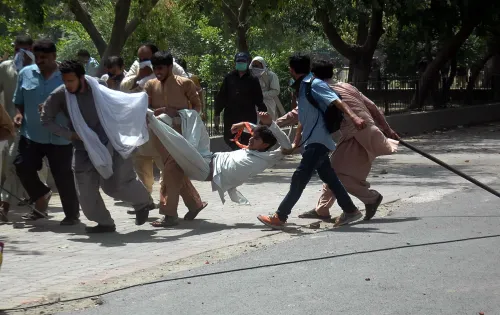
Amnesty specifically demanded that authorities investigate allegations of unlawful use of force against protesters, fully restore internet services, release all those arbitrarily detained for peacefully exercising their rights, and lift what it termed the 'unlawful' blanket ban on civil society group Joint Awami Action Committee (JAAC).
JAAC's Position on the Ground
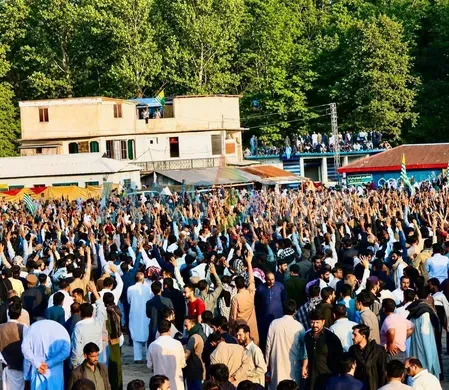
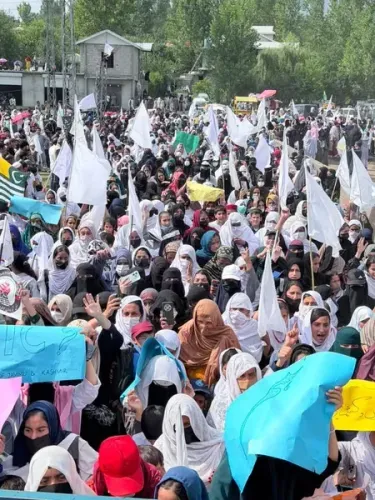
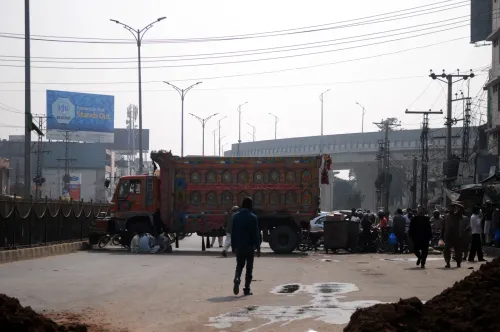
On Thursday, the JAAC reported that a voluntary shutdown and wheel-jam strike was underway across PoK despite harsh weather conditions. In a post on X, the group said residents of the occupied territory have continued sit-ins against Pakistani authorities, condemning what it described as 'tyrannical, oppressive rulers' for allegedly massacring 'peaceful, unarmed civilians.'
Addressing speculation about the movement's momentum, the JAAC stated: 'The purpose of postponing the 15 July long march was precisely to show that we support peaceful, purposeful negotiations... After 15 July, a coordinated campaign was launched with the aim of sparking a debate on social media to portray the movement as weak. The field of struggle is nerve-wracking, and victory belongs to the one with the strongest nerves.'
The group also appealed to overseas supporters: 'We have neither bowed nor retreated, nor will we ever compromise on the blood of those killed.'
UN Human Rights Office Raises Alarm
The international chorus of concern intensified last week when the Office of the United Nations High Commissioner for Human Rights (OHCHR) raised serious alarm over infringements on fundamental rights in PoK amid escalating unrest that has reportedly left dozens dead and injured.
Jeremy Laurence, Spokesperson for the UN High Commissioner for Human Rights, said: 'The criminalisation of a civil society organisation and imposition of strict limitations on gatherings raise serious concerns about infringements on the rights to freedom of expression, peaceful assembly and association. Detained JAAC leaders must have access to legal representation and their families. Their rights to due process and fair trial must be fully guaranteed.'
Broader Context and What Comes Next
This comes amid a broader pattern of civil unrest in PoK, where the JAAC has led protests over governance and rights grievances. The timing of the crackdown — days before the 27 July regional elections — has drawn particular scrutiny from international observers who argue that suppressing dissent ahead of a vote undermines electoral legitimacy.
With both Amnesty International and the OHCHR now on record, pressure on Islamabad is mounting. Whether Pakistani authorities respond to these demands before the election date remains to be seen.
Point of View
But the JAAC crackdown is an internal suppression of Pakistani-administered citizens — a harder argument to externalize. The real test is whether this international pressure translates into any tangible rollback before polling day, or whether it becomes another documented episode in a long record of impunity.
NationPress
25 Jul 2026
Frequently Asked Questions
What is the current situation in Pakistan-occupied Kashmir (PoK)?
Pakistan-occupied Kashmir has been under a severe crackdown for over 50 days , according to Amnesty International, with internet blackouts, mass arbitrary arrests, and restrictions on movement imposed by Pakistani authorities. The unrest has reportedly left dozens of people dead and injured, and civil society group JAAC has been banned.
What has Amnesty International demanded from Pakistan?
Amnesty International has called on Pakistani authorities to fully restore internet services, release all individuals arbitrarily detained for peacefully exercising their rights, investigate allegations of unlawful use of force against protesters, and lift the ban on the Joint Awami Action Committee (JAAC).
What is the JAAC and why has it been banned?
The Joint Awami Action Committee (JAAC) is a civil society group in PoK that has led protests against Pakistani authorities over governance and rights issues. Pakistani authorities imposed a blanket ban on the organisation, which both Amnesty International and the UN have described as unlawful and a violation of the right to freedom of association.
What did the United Nations say about the PoK crackdown?
The UN Office of the High Commissioner for Human Rights (OHCHR) raised serious concern about rights infringements in PoK last week. Spokesperson Jeremy Laurence stated that detained JAAC leaders must have access to legal representation and their families, and that their rights to due process and fair trial must be fully guaranteed.
How does the crackdown affect the PoK elections on 27 July?
Regional elections in PoK are scheduled for 27 July 2025. Rights groups and international observers argue that internet shutdowns, mass arrests, and the ban on civil society organisations undermine the conditions necessary for a free and fair vote, raising questions about the legitimacy of the electoral process.