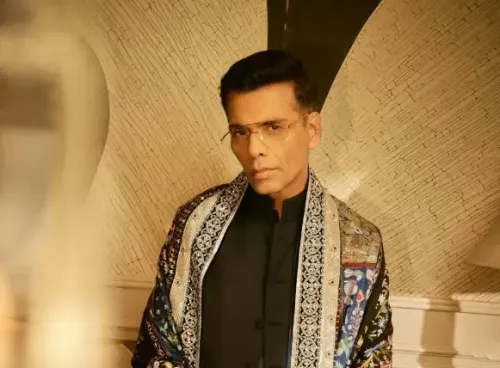
How does Karan Johar cope with online trolls targeting him and his family?
Click to start listening
Synopsis
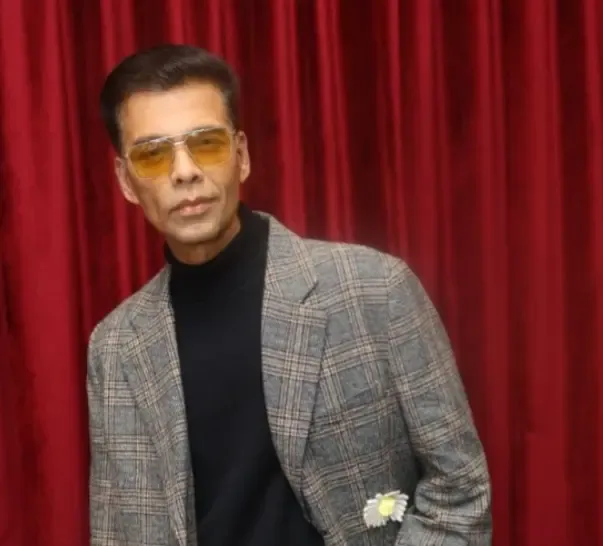
In a candid discussion, renowned filmmaker Karan Johar reveals his approach to handling online trolls and criticism. He emphasizes the importance of discernment in feedback, offering a unique perspective on how he views trolling as a reflection of the troll's unhappiness rather than his own worth. This insight encourages resilience in the face of negativity.
Key Takeaways
- Karan Johar advocates for recognizing the intent behind criticism.
- He emphasizes the importance of learning from genuine feedback.
- Karan chooses to feel pity for those who engage in trolling.
- He believes that being talked about is better than being ignored.
- Understanding the emotional state of trolls can foster resilience.
Mumbai, Dec 18 (NationPress) The renowned filmmaker Karan Johar has shared his thoughts on managing the onslaught of online trolls directed at him and his family.
During his recent appearance at India’s International Movement to United Nations (I.I.M.U.N), where he was appointed to the Board of Advisors, Karan discussed the nature of criticism. He remarked to IANS, “It’s essential to discern whether the critique you receive stems from a place of genuine evaluation. When a critic expresses disappointment in your work, but you know they entered the theater hoping to enjoy it, you must acknowledge that their intentions were sincere.”
“If someone didn’t appreciate your film, you should value that feedback. Identify whether there’s something to gain from it, as long as the critique comes from a constructive standpoint—free from bias or malice. Thus, the foremost step is to evaluate the origin of the criticism. That’s my approach,” he clarified.
Karan elaborated further, “A staggering ninety-five percent of trolling originates from faceless individuals who have little to contribute. Often, they harbor their own unhappiness, sometimes stemming from unemployment, leading them to lash out in frustration and bitterness. How should you react? Should you feel insulted, ashamed, or should you extend pity? I opt for the latter. I feel pity for them.”
“I sympathize with anyone who trolls me for two primary reasons. Firstly, I feel sorry for them, as they might be grappling with their own life challenges, manifesting their negativity towards me. They target my mannerisms, speech, and even insult my family. Such bitterness only mirrors their own discontent. Therefore, pity is the only appropriate response. Secondly, I also feel a sense of significance. You can either be loved or hated, but indifference is far worse. Imagine being forgotten; that’s a fate I would never want to experience,” he added.
The acclaimed filmmaker concluded with, “There’s a popular saying, ‘kuch to log kahenge, logon ka kaam hai kehna’, and I wholeheartedly resonate with that sentiment. However, I perceive it simply: when faced with absurd comments or insults, my only reaction is pity.”
“I often think to myself, poor individual. They must be incredibly unhappy to expend such energy on negativity. Their discontent may stem from various reasons, and I genuinely empathize with that. So, when unwarranted criticism comes your way, recognize its lack of validity, and instead, feel pity for the person while celebrating your relevance in the public discourse. That, for me, is the optimal way to progress.”
Point of View
I find Karan Johar's perspective on trolls quite enlightening. His ability to separate genuine criticism from baseless negativity showcases an admirable emotional intelligence. In a time when online interactions can often descend into toxicity, Karan's approach serves as a reminder to focus on constructive feedback while also promoting self-empowerment in the face of adversity. This balanced viewpoint aligns well with the ethos of NationPress, emphasizing resilience and understanding in our digital age.
NationPress
18/12/2025
Frequently Asked Questions
What did Karan Johar say about online trolls?
Karan Johar expressed that he feels pity for online trolls, recognizing that their negativity often stems from their own unhappiness.
How does Karan differentiate between valid criticism and trolling?
He believes that valid criticism comes from individuals who genuinely wanted to appreciate his work, while trolling often originates from nameless, faceless people.
What is Karan Johar's approach to criticism?
Karan emphasizes the importance of understanding the source of criticism and learning from constructive feedback while dismissing unwarranted negativity.