Karan Johar on KANK's 20th anniversary: polarising crowds, unnecessary songs, and no regrets

Synopsis
Twenty years after Kabhi Alvida Naa Kehna divided audiences and drew furious walkouts, Karan Johar is revisiting the film with rare candour — admitting to unnecessary songs, recounting near-confrontations outside cinemas, and insisting the film never endorsed infidelity. The most telling detail: a woman who loved it told her husband she hated it, because admitting otherwise felt too dangerous.
Key Takeaways
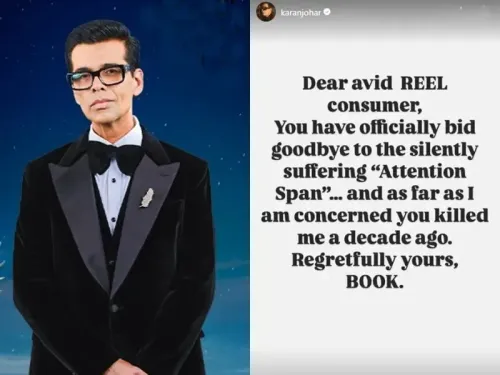
Karan Johar marked the 20th anniversary of 'Kabhi Alvida Naa Kehna' with a candid Instagram post on Monday .
He recalled a paid preview where a couple walked out mid-screening, and a mother confronted him outside — her daughter had received divorce papers that same day.
Johar admitted the film was 'over bloated in scale' and contained 'unnecessary songs' added to meet mainstream expectations.
He maintained the film never endorsed infidelity, but showed how stepping outside marriage 'can destroy your very foundation and family.' Two decades on, he says many viewers who once rejected the film now say they understand it better — crediting lived experience for the shift.
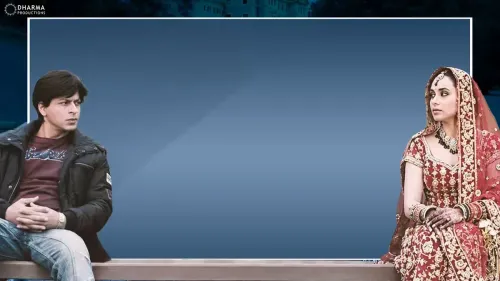
Filmmaker Karan Johar has opened up about the deeply divided audience response to his directorial 'Kabhi Alvida Naa Kehna' (KANK) as the film marks its 20th anniversary, recalling raw, first-hand encounters that ranged from quiet admiration to near-confrontations outside cinema halls.
The Night Before Release
In a lengthy note shared on his Instagram, Johar described attending a paid preview the night before the film's release, watching incognito from behind a traditionally dressed middle-aged couple. When a pivotal scene between characters Dev and Maya unfolded in a hotel elevator — one that made clear their emotional and physical connection — the woman in the couple dropped her popcorn in shock. Her husband, initially dismissing the scene as a 'dream sequence' in Gujarati, realised his mistake and promptly steered them both out of the hall. 'My heart sank,' Johar recalled.
Angry Mothers, Secret Admirers
The anecdotes did not stop there. Outside the preview, a mother approached Johar with her tearful daughter — who had just gone through a divorce that very day — furious that what she expected to be a wholesome, 'songs and dances and family values' film had turned into something far more unsettling. 'Shame on you,' she told him, prompting Johar to, by his own admission, 'scurry away.'
Weeks later, at an airport lounge, a woman told him she had loved the film — but had lied to her husband and claimed she hated it. Her reason: if she admitted she loved it, he would ask what specifically she liked, and that conversation felt too risky to have. Johar described himself as 'semi relieved' by the exchange.
Acknowledging the Film's Flaws
Johar did not shy away from self-criticism. He conceded that KANK was 'over bloated in scale' and contained 'opulent and some unnecessary songs' — a candid admission that will resonate with critics who felt the film's runtime worked against its emotional core. He framed these choices as an attempt to cater to mainstream expectations, even as the film's central theme — the quiet devastation of stepping outside the boundaries of marriage — was always meant to be uncomfortable.
'The film did not endorse infidelity — that was never ever my intention,' he wrote, 'but it did show that stepping out of the boundary of marriage to seek love or desire can destroy your very foundation and family.'
What KANK Was Really About
Johar argued that the film was always intended to provoke thought rather than offer resolution. 'We want life to give us black and white solutions to all our relationship traumas,' he wrote, 'but can we look at it with a grey lens? Maybe then we will understand ourselves better.' He noted that two decades on, he regularly meets people who say they could not relate to the film at the time of release but understand it far better now.
He closed his note with gratitude to the film's 'incredible cast and crew family,' saying he would 'always be indebted to them for their passion and compassion.' With KANK turning 20, its reputation — once a lightning rod for controversy — appears to be quietly, if unevenly, rehabilitating itself.
Point of View
Which Bollywood's mainstream grammar rarely permits. His admission about unnecessary songs is the most honest thing a director can say about studio-era compromise. The real story here is not the controversy from 2006 — it is that Indian audiences in 2026 are apparently more ready for that grey lens than they were two decades ago, which says something about how the culture has shifted, even if the conversation is still largely conducted in secret.
NationPress
25 Sept 2026
Frequently Asked Questions
What did Karan Johar say about 'Kabhi Alvida Naa Kehna' on its 20th anniversary?
Karan Johar shared a detailed Instagram post recounting polarising audience reactions from the film's 2006 release, admitting the film had flaws including unnecessary songs, while defending its core intent. He said the film was never meant to endorse infidelity but to show the consequences of seeking love outside marriage.
Why was 'Kabhi Alvida Naa Kehna' considered controversial?
The film dealt with marital infidelity and emotional disconnection in marriage — themes that were considered taboo in mainstream Bollywood at the time. Audiences and critics were sharply divided, with some calling it brave and others labelling it anti-'sanskaari.' A couple reportedly walked out of a preview screening when a key scene between the lead characters played out.
Did Karan Johar admit to flaws in the film?
Yes. Johar openly acknowledged that the film was 'over bloated in scale' and included 'opulent and some unnecessary songs' that were added to meet mainstream expectations. He said these were genuine flaws, even as he stood by the film's emotional intent.
How has audience perception of KANK changed over 20 years?
Johar noted that many people who could not relate to the film at the time of its release now say they understand it better. He attributed this shift to lived experience, suggesting the film's themes resonate differently as audiences grow older and encounter their own relationship complexities.
What is the significance of the airport lounge story Karan Johar shared?
A woman told Johar she loved the film but had lied to her husband, claiming she hated it — because admitting she loved it would have prompted questions about what specifically she liked, a conversation she felt was too risky. Johar used the anecdote to illustrate how the film touched a nerve that many viewers felt compelled to suppress even in private.