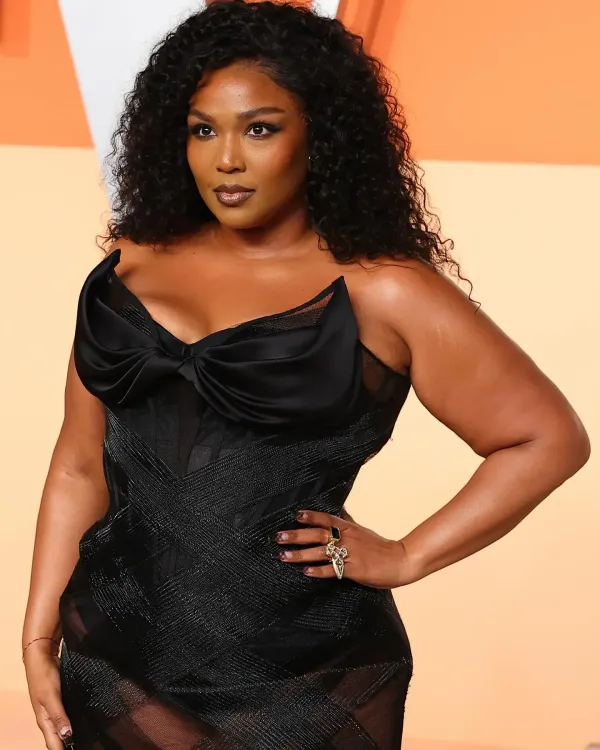
Lizzo on childhood insecurity, flute struggles, and immunity to hate
Synopsis
Lizzo told the Los Angeles Times she spent two years being painfully bad at the flute as a child — and that the anxiety from those early insecurities has shadowed her entire life. Now, she says she's not just immune to public ridicule; she's profiting from it. Her candid remarks on race, body image, and self-healing cut through the usual celebrity-profile formula.
Key Takeaways
Lizzo (born Melissa Viviane Jefferson ) told the Los Angeles Times she was bad at the flute for at least two years as a child.
She described the experience as 'a huge insecurity,' saying hearing someone play the flute badly 'is a nightmare.' Lizzo said she has become immune to public criticism, citing bizarre online mockery involving Kamala Harris and fast-food imagery.
She attributed much of the hostility she faces to fatphobia , racism , and sexism , noting 'Black women get it even worse.' She described her ongoing journey as healing her 'inner child' — something she says she did not even realise she needed.
Singer-songwriter Lizzo — born Melissa Viviane Jefferson — has opened up about the insecurities that defined her childhood, including two years of being, by her own admission, painfully bad at the flute. In a candid conversation with the Los Angeles Times, the Grammy-winning artist reflected on how those early struggles shaped her resilience as a performer and public figure.
The Flute, the Family, and the Anxiety
'I grew up feeling very annoyed. It was a huge insecurity of mine. I'm the baby in the family, and I played probably the most annoying instrument to be bad at. Hearing someone be bad at the flute is a nightmare. And I was bad for at least two years,' Lizzo told the Los Angeles Times.
She went on to describe how that early anxiety never fully left her. 'I've had that anxiety shadow me my whole life, and I think I'm healing something in myself, in my inner child, that I didn't even realize I'm healing,' she said. For Lizzo, there is something 'powerful' about confronting and ultimately overcoming those long-held insecurities.
Building Immunity to Criticism
According to People magazine, Lizzo also addressed the relentless public scrutiny she has faced throughout her career, saying she has grown effectively immune to it over time. 'I've heard everything I could possibly hear about me, so nothing can bother me now. I've seen myself mashed up with Kamala Harris. I've seen me as a mannequin dummy. I've seen Chili's baby back ribs slathered across my face,' she said.
Rather than letting ridicule diminish her, Lizzo said she reframes it entirely. 'The general public, nine times out of 10, they think they're laughing at me. I'm like, "Honey, I'm laughing with you laughing at me all the way to the bank,"' she added.
Race, Body Image, and Existing 'Outside the Parameters'
Lizzo was candid about the specific dimensions of the criticism she faces as a Black woman in the public eye. 'Black women get it even worse. I think that most of the criticisms and dislike for me are fatphobic and racist and sexist,' she said.
She acknowledged the social expectations she routinely defies. 'I'm a fat Black woman and I'm existing outside the parameters in which society thinks I should exist. I've always been a little too much, that's my personality. But I'm like, "Am I too much or are you not enough?" I'd rather be annoying than invisible,' she said.
The Bigger Picture
Lizzo's reflections come amid a broader cultural conversation around body positivity, self-acceptance, and the outsized scrutiny faced by Black women in entertainment. Her journey — from a self-described two-year flute disaster to a multi-Grammy-winning artist — has become a recurring reference point in those discussions. As she continues to speak openly about her inner child and ongoing healing, her words resonate well beyond celebrity memoir territory.
Point of View
Not just bravado — one that many Black women in public life have had to develop not by choice but by necessity. The more interesting question her interview raises is whether that immunity is sustainable, or whether it is its own form of armour that exacts a cost she has not yet fully reckoned with.
NationPress
22 Sept 2026
Frequently Asked Questions
What did Lizzo say about her childhood insecurities?
Lizzo told the Los Angeles Times that she grew up feeling 'very annoyed' and insecure, largely because she was bad at playing the flute for about two years. She described the experience as a 'huge insecurity' and said the anxiety it created has followed her throughout her life.
What instrument did Lizzo struggle with as a child?
Lizzo struggled with the flute, saying she was bad at it for at least two years. She noted she was the youngest in her family and that 'hearing someone be bad at the flute is a nightmare.'
How does Lizzo respond to public criticism and online mockery?
According to People magazine, Lizzo says she has become immune to criticism over time, having 'heard everything' possible about herself. She reframes ridicule as something she profits from, saying she laughs 'all the way to the bank.'
What did Lizzo say about race and body image?
Lizzo said she believes most of the criticism directed at her is 'fatphobic and racist and sexist,' and that Black women face an even harsher standard of public judgment. She described herself as existing 'outside the parameters in which society thinks I should exist.'
What is Lizzo's real name?
Lizzo's real name is Melissa Viviane Jefferson. She is a Grammy-winning singer-songwriter known for her work in pop and R&B as well as her advocacy around body positivity.