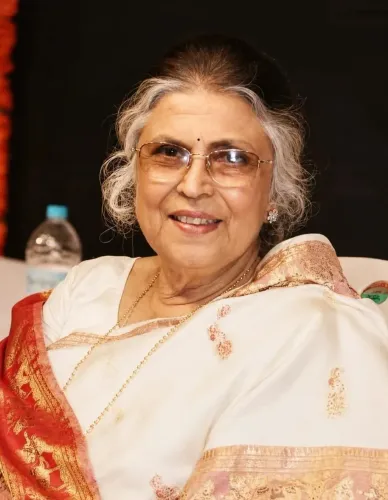
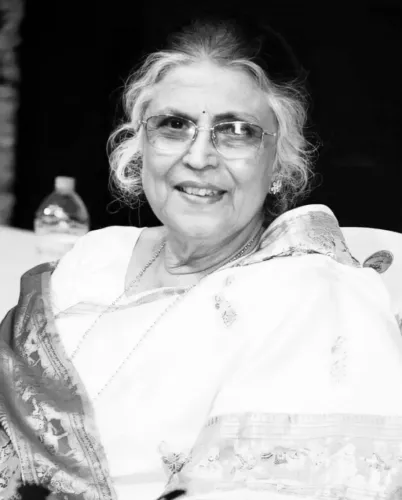
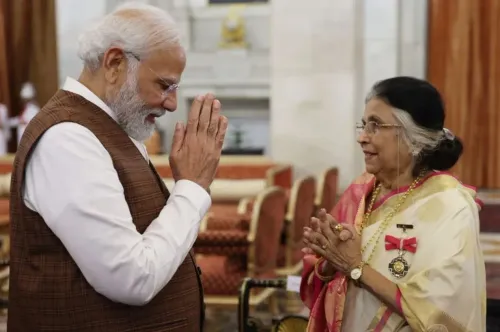
Suman Kalyanpur's last rites: Only Suresh Wadkar from film industry attends
Synopsis
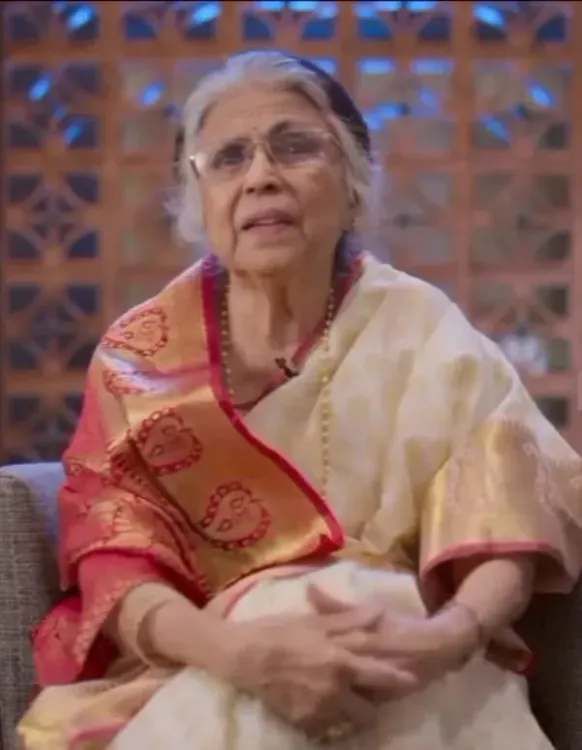
Suman Kalyanpur, a pillar of India's golden era of playback singing, was cremated in Mumbai with full state honours — but only one member of the film fraternity, Suresh Wadkar, showed up. The near-total absence of an industry she helped define has drawn sharp attention and reignited a conversation about how India treats its veteran artists.
Key Takeaways
Veteran playback singer Suman Kalyanpur passed away on Sunday at her residence in Lokhandwala, Mumbai , reportedly due to old age.
Her last rites were held at Pawan Hans crematorium on Monday ; she received full state honours with her remains draped in the Indian tricolour .
Only playback singer Suresh Wadkar from the film and music industry attended her cremation.
Born on 28 January 1937 , Kalyanpur recorded songs in Hindi, Marathi, Assamese, Kannada and Bengali across a career spanning several decades.
She is survived by her daughter, Charu .
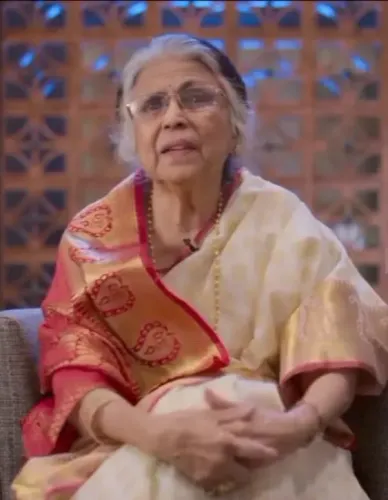
Veteran playback singer Suman Kalyanpur, one of the golden era's most cherished voices, was laid to rest on Monday at the Pawan Hans crematorium in Mumbai — with the music and film industry she served for decades conspicuously absent from her farewell. Of the entire fraternity, only playback singer Suresh Wadkar showed up to pay his final respects.
The Final Farewell
Kalyanpur's mortal remains were draped in the Indian tricolour, and she was accorded full state honours before her last rites were conducted. She is survived by her daughter, Charu. The singer had reportedly passed away on Sunday at her residence in Lokhandwala, Mumbai, due to age-related causes.
A Career That Defined an Era
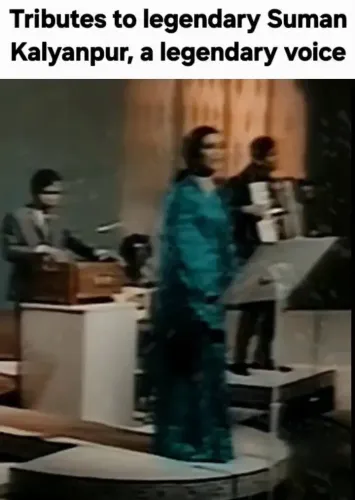
Born on 28 January 1937, Suman Kalyanpur rose to national prominence through the 1950s and 1960s, recording songs across Hindi, Marathi, Assamese, Kannada and Bengali. She collaborated with some of the most celebrated composers of the era — Shankar–Jaikishan, O. P. Nayyar, and Kalyanji–Anandji — and her duets with Mohammed Rafi produced some of the most enduring songs in Indian film music.
Her ascent was notably accelerated during the period following the well-documented professional fallout between Lata Mangeshkar and Mohammed Rafi, when Kalyanpur stepped in and recorded extensively with Rafi, earning widespread acclaim for her seamless vocal chemistry with him.
The Voice Behind the Legacy
Critics and admirers consistently noted the sweetness, clarity and emotional depth of her voice. Despite sharing the playback landscape with towering contemporaries, she carved a distinct identity through her versatility — spanning film songs, devotional numbers, and ghazals. Her contributions to classic Indian film music continue to be celebrated by enthusiasts across generations.
Industry Absence Draws Attention
The near-total absence of the film and music fraternity at her cremation has drawn sharp attention, particularly given the state honours she received and her stature in Indian cinema's history. Notably, this is not the first time that veterans from the golden era of Hindi film music have been mourned without the industry's visible presence. The contrast between her celebrated legacy and the sparse farewell reflects a broader pattern of institutional forgetfulness toward artists who shaped the industry's foundation.
As admirers and music historians mourn her passing, the hope is that her recordings — spanning several languages and decades — will be preserved and promoted as part of India's rich cultural heritage.
Point of View
Pre-streaming era whose work underpins the very canon Bollywood now monetises through nostalgia. India's music industry has a well-documented pattern of celebrating its golden-era artists in retrospectives while ignoring them in life and in death. Kalyanpur's sparse farewell should prompt a reckoning — not just a news cycle.
NationPress
16 Oct 2026
Frequently Asked Questions
When and where did Suman Kalyanpur pass away?
Suman Kalyanpur reportedly passed away on Sunday at her residence in Lokhandwala, Mumbai, due to old age. Her last rites were held the following Monday at the Pawan Hans crematorium in Mumbai.
Who attended Suman Kalyanpur's funeral from the film industry?
Playback singer Suresh Wadkar was the only representative from the music and film industry to attend her last rites. The broader film fraternity was largely absent from her farewell.
What honours did Suman Kalyanpur receive at her cremation?
She was accorded full state honours, with her mortal remains draped in the Indian tricolour before her last rites were performed at Pawan Hans crematorium in Mumbai.
What is Suman Kalyanpur known for?
Suman Kalyanpur was one of India's most celebrated playback singers of the 1950s and 1960s, known for her melodious voice and recordings in Hindi, Marathi, Assamese, Kannada, and Bengali. Her duets with Mohammed Rafi are among the most beloved songs of the golden era of Indian film music.
Who are Suman Kalyanpur's survivors?
Suman Kalyanpur is survived by her daughter, Charu.