Pulkit Samrat credits Delhi's street lingo for Fukrey's cultural grip, meme legacy
Synopsis
Pulkit Samrat reveals why Fukrey's characters—especially Huney—have become cultural memes and pop-culture fixtures: they speak Delhi's actual street vernacular. Authenticity, not polish, is the franchise's secret weapon. Transplant Huney to Mirzapur, and the magic evaporates. That's how inseparable character and world truly are.
Key Takeaways
Pulkit Samrat credits Fukrey's appeal to authentic Delhi street lingo and real-life dialogue that audiences already use daily.
The actor distinguishes between 'liking' and 'loving' a character—the latter drives meme creation and cultural ownership.
Huney's resonance is inseparable from Fukrey's narrative world; transplanting the character elsewhere erodes its magnetism.
Fukrey debuted in 2013 under director Mrighdeep Singh Lamba and producers Farhan Akhtar and Ritesh Sidhwani , spawning two sequels.
The franchise succeeds by refusing to sanitise Delhi's colloquial speech, using vernacular as both comedic and connective tissue.
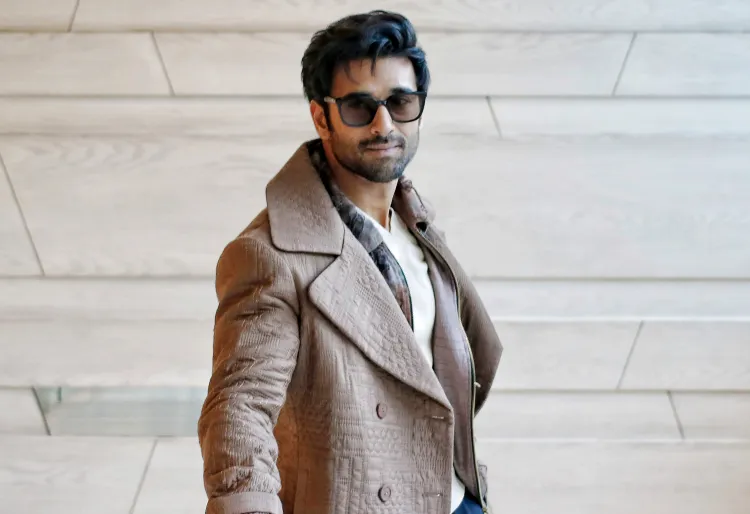
Actor Pulkit Samrat attributes the enduring appeal of the Fukrey franchise to its grounding in authentic Delhi vernacular and street-smart dialogue that audiences already use in their daily lives. Speaking to IANS on 4 May, the 42-year-old, who portrays Huney across the franchise, explained how real-world linguistic authenticity transforms characters into cultural touchstones.
Why Delhi lingo matters
"The lines that we use in our films are inspired by real life. Because we talk like this in Delhi, that's why we talk like this in Fukrey. And yes, people pick it up and connect with it only because they are already using it in their daily lives," Samrat said. The actor underscored that audiences gravitate toward narratives that mirror their own lived experience, a phenomenon that transcends mere entertainment into cultural ownership.
From relatability to meme culture
The distinction between liking a character and loving one, Samrat argued, determines whether a role becomes a passing reference or a lasting meme. "When you're in love with a character, you think a lot about it, discuss it, tell people about it, and that's how we, as actors, are spread across various hearts and souls throughout the world," he noted. Characters anchored in recognisable worlds—their dialogue, mannerisms, and social context—become shareable, discussable, and ultimately memetic.
The role of world-building
Samrat illustrated the point with a thought experiment: transplant Huney from Fukrey's Delhi milieu into the gritty crime landscape of Mirzapur, and the character loses its resonance. "If you take Honey out of Fukrey and put it in Mirzapur, then you won't fall in love with Huney. You won't make a meme on Huney; Huney itself will be a meme in Mirzapur's world," he explained. This underscores how character magnetism is inseparable from narrative context and cultural specificity.
The Fukrey franchise trajectory
Fukrey, directed by Mrighdeep Singh Lamba and produced by Farhan Akhtar and Ritesh Sidhwani, debuted in 2013 with an ensemble cast including Manjot Singh, Varun Sharma, Ali Fazal, Priya Anand, Vishakha Singh, Pankaj Tripathi, and Richa Chadha. Two sequels—Fukrey Returns and Fukrey 3—followed, cementing the franchise's cultural footprint. The series' success hinges partly on its refusal to sanitise or exoticise Delhi's colloquial speech, instead weaponising it as both comedic and connective tissue.
What's next
As streaming platforms increasingly chase authenticity-driven narratives, Samrat's observations align with a broader industry shift: audiences reward stories that feel lived-in rather than polished. Whether Fukrey 4 materialises, the franchise's legacy as a linguistic and cultural marker appears secure.
Point of View
The franchise's refusal to exoticise or explain itself has aged better than polished, placeless alternatives. The real question: can Hindi cinema sustain this authenticity-first model, or will algorithm-driven casting and dialogue eventually homogenise it?
NationPress
12 Oct 2026
Frequently Asked Questions
Why does Pulkit Samrat say Fukrey characters are relatable?
Pulkit attributes the relatability to the franchise's use of authentic Delhi street lingo and colloquial dialogue that audiences already use in their daily lives. Because the dialogue mirrors real speech patterns, audiences connect with and adopt the language themselves, turning characters into cultural touchstones.
What is the difference between liking and loving a character, according to Pulkit?
Pulkit argues that when you 'love' a character, you think deeply about it, discuss it, and share it with others—behaviour that transforms actors into cultural fixtures. This emotional investment is what drives meme creation and lasting pop-culture references, whereas mere 'liking' is transient.
How does world-building affect a character's appeal?
Pulkit illustrates that character magnetism is inseparable from narrative context. He uses the example of Huney: if transplanted from Fukrey's Delhi world into Mirzapur's crime landscape, the character would lose its resonance entirely. The character only works within its original cultural and social setting.
When was the original Fukrey film released and who directed it?
Fukrey was released in 2013 and directed by Mrighdeep Singh Lamba. The film was produced by Farhan Akhtar and Ritesh Sidhwani, and spawned two sequels: Fukrey Returns and Fukrey 3.
Which actors are part of the Fukrey franchise ensemble?
The franchise stars Pulkit Samrat, Manjot Singh, Varun Sharma, Ali Fazal, Priya Anand, Vishakha Singh, Pankaj Tripathi, and Richa Chadha across its three films.