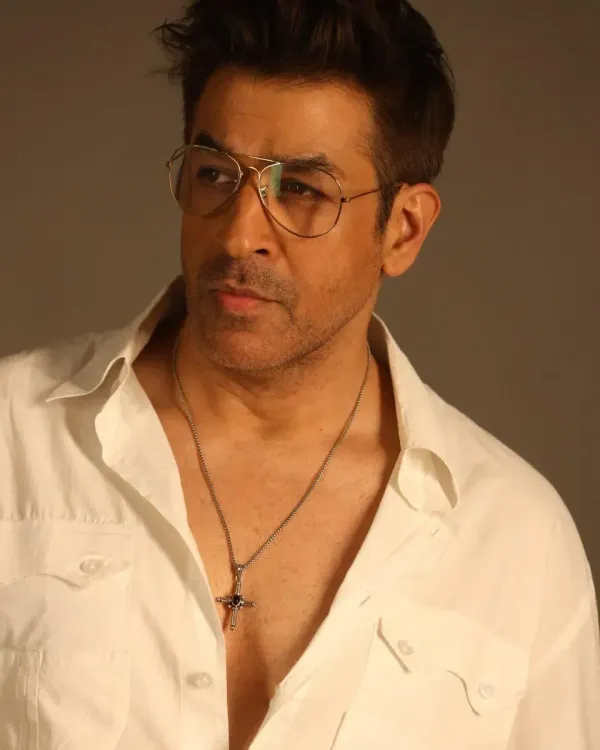
Rajat Bedi's message on Girl Child Day: Every girl deserves equal chance
Synopsis
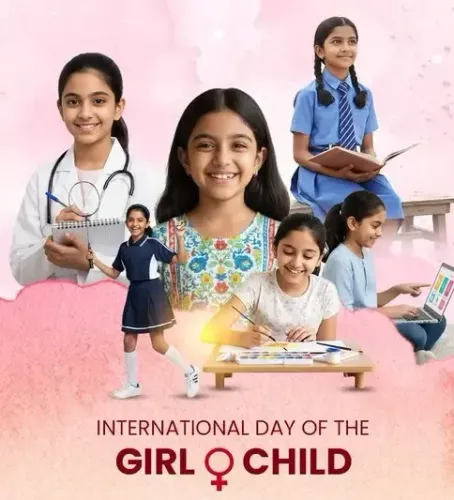
On International Day of the Girl Child, actor Rajat Bedi called on fathers to stop asking daughters to prove themselves equal to sons — and to simply treat them that way from the start. His remarks, grounded in education and trust rather than protection alone, put a personal face on a debate India has been having at the policy level for decades.
Key Takeaways
Rajat Bedi shared a public message on International Day of the Girl Child, 11 October , aimed at girl parents across India.
He urged fathers to give daughters equal freedom, education, and encouragement — without demanding they prove themselves.
Bedi stressed that supporting a daughter means trusting her , not just protecting her.
He said he would want to act in a film about a girl fighting societal resistance to pursue education , calling it the starting point for meaningful change.
His remarks reflect a broader cultural conversation in India around gender equality at home and the role public figures play in shaping attitudes.
Actor Rajat Bedi marked International Day of the Girl Child on 11 October with a heartfelt appeal to parents across the country, urging them to treat their daughters as equals — granting them the same freedom, education, and encouragement they would extend to a son. The The Ba***ds of Bollywood star directed his message especially at fathers, calling on them to trust their daughters rather than simply shield them.
Bedi's Message to Girl Fathers
Speaking candidly, Bedi said, 'I would say that a daughter should never have to prove that she is as capable as a son. Give her the same freedom, the same education and the same encouragement. Don't decide what she can or cannot do simply because she is a girl. Let her make mistakes, learn from them, and find her own way in life.'
He was equally pointed when addressing the role fathers play in shaping a daughter's confidence. 'Supporting your daughter is not just about protecting her; it is also about trusting her and giving her the confidence to stand on her own feet. Every girl deserves that chance,' he added.
On Confidence and Independence
Bedi also reflected on how parents, and fathers in particular, can actively nurture a girl's sense of independence. He argued that real support goes beyond safety — it demands a willingness to step back, allow risk, and let daughters discover their own strengths. This comes amid broader national conversations about gender parity in education and professional opportunities for women in India.
The Film He Would Want to Make
When asked which theme he would choose if offered a role in a women's empowerment film, Bedi outlined a story with clear social intent. 'I would want to be part of a story about a girl who wants to study and build a future for herself but has to fight the mindset of people around her,' he said.
He elaborated: 'I feel education is where a lot of change begins. When a girl gets the chance to study, she starts seeing more possibilities for her life and becomes better equipped to make her own decisions. I would want the story to show not just her struggle, but also how the people around her can change their thinking. Sometimes, one person's support can make a huge difference in a child's life. If a film can make even a few parents think differently about their daughters, I would consider that meaningful.'
Why This Matters
Bedi's remarks align with a growing cultural push in Indian cinema and public life to normalise conversations around gender equality at home. Notably, his focus on education as the primary lever for change echoes long-standing advocacy by child rights organisations, who argue that keeping girls in school remains the single most effective tool for social mobility. With International Day of the Girl Child serving as an annual global reminder of persistent gaps in opportunity, statements from recognisable public figures carry added weight in shaping public attitudes.
Point of View
But its impact depends on reach beyond the already-converted. Celebrity advocacy on gender equality tends to circulate within urban, socially progressive audiences — precisely the demographic least in need of persuasion. The more telling question is whether Bollywood's storytelling, which Bedi himself invokes, has structurally shifted to portray girls' education not as inspiration porn but as a matter of ordinary entitlement. One actor's media quote on a designated awareness day is a starting point, not a campaign. The real measure will be whether the industry backs these sentiments with roles, scripts, and production investment that reach tier-2 and tier-3 India — where the resistance Bedi describes is most entrenched.
NationPress
11 Oct 2026
Frequently Asked Questions
What did Rajat Bedi say on International Day of the Girl Child?
Rajat Bedi urged parents, especially fathers, to give their daughters equal freedom, education, and encouragement without making them prove their worth against sons. He also said that supporting a daughter means trusting her to stand on her own feet, not just protecting her.
What kind of film would Rajat Bedi want to make on women's empowerment?
Bedi said he would want to be part of a story about a girl fighting societal resistance to pursue education, emphasising that the narrative should show not just her struggle but also how people around her can change their mindset. He believes a single supportive figure can transform a child's life.
Why is International Day of the Girl Child observed?
International Day of the Girl Child is observed on 11 October each year to highlight challenges faced by girls globally — including access to education, health, and freedom from discrimination. It was established by the United Nations to promote girls' rights and their potential.
Why does Bedi single out education as a focus for change?
Bedi argued that education is where meaningful change begins, as it broadens a girl's sense of possibility and equips her to make independent decisions. This view aligns with findings by child rights organisations that cite school enrolment and retention as the most effective tools for improving women's social and economic outcomes in India.