Why does Ram Gopal Varma call six-packs a film decoration?
Synopsis
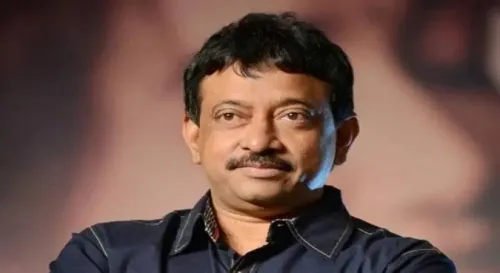
Ram Gopal Varma says a six-pack is more a cinematic decoration than a symbol of power. In an X post, the filmmaker contrasted muscular screen heroes with his claims about political leaders, commanders and crime bosses.
Key Takeaways
Ram Gopal Varma called the six-pack in cinema more of a decoration than a symbol of power.
The filmmaker shared his views in an X post on Monday, 23 November .
Varma referred to Bahubali while discussing mainstream films and muscular heroes.
He cited Napoleon , Stalin , Pablo Escobar and Dawood Ibrahim as examples in his argument.
Varma also compared politicians with their guards and military commanders with soldiers.
Filmmaker Ram Gopal Varma has described the six-pack in cinema as more of a decoration than a symbol of power, arguing that film heroes’ physiques do not necessarily reflect how authority works in real life. In a post on X on Monday, 23 November, he contrasted muscular screen characters with political leaders, military commanders and crime bosses.
Varma presented the argument as his view of the difference between cinematic portrayals of toughness and real-world hierarchies. His broad claims about the physiques of powerful people and their employees were not accompanied by evidence in the post as reported.
Varma’s argument about film heroes
In the post, titled ‘The irony of tough heroes hiding behind bullet proof glasses’, Varma referred to Bahubali while discussing what he said mainstream films had overlooked. He argued that cinema often treats a muscular physique as a sign that a character is the toughest person in the story.
He contrasted that image with his claim that muscular employees often work for people who do not have the same physique. “In films, the guy with the toned biceps and six packs is automatically the toughest,” he wrote.
Varma concluded: “So, the six-pack in cinema is less a symbol of power and more of a decoration. In real life, the man who owns the six pack always works under the man who never bothered to have a six-pack!”
Historical and crime figures cited
To illustrate his argument, Varma invoked Napoleon and Stalin, commenting on their appearances and the authority they exercised over others. Those descriptions and his characterisation of their physiques were his own; they are not established by evidence presented in the source.
He also referred to crime figures including Capone, Pablo Escobar and Dawood Ibrahim. Varma claimed that people who carried out killings for such bosses tended to occupy lower positions and receive less pay.
Political and military comparisons
Varma extended his argument to Indian politics, saying that politicians who did not have muscular physiques were often accompanied by physically fit guards. The comparison formed part of his wider claim that visible strength and organisational authority do not always belong to the same person.
He made a similar assertion about military hierarchies, contrasting soldiers’ fitness with the authority held by senior commanders. His remarks were generalisations, and the source provides no supporting data about military fitness or pay.
Distinction between appearance and authority
The filmmaker’s comments concern a familiar visual device in commercial cinema: using a hero’s body to communicate toughness to an audience. His comparison shifts the discussion from how characters look on screen to the different roles played by leaders and the people working for them.
The examples are offered as an argument rather than a systematic comparison of films, political figures or military personnel. Varma did not announce a film project or propose a change to the industry in the remarks provided.
His post leaves the distinction between cinematic appearance and real-world authority open to further discussion.
Point of View
Not evidence of how authority operates. Varma’s distinction is worth examining, but sweeping claims about politicians, soldiers and historical figures need more than a handful of examples. The more useful conversation for Indian cinema is whether its characters are given credible sources of authority beyond their appearance.
NationPress
23 Nov 2026
Frequently Asked Questions
What did Ram Gopal Varma say about six-packs in cinema?
Ram Gopal Varma said a six-pack in cinema is more of a decoration than a symbol of power. He contrasted muscular film heroes with his view of real-world authority.
Where did Ram Gopal Varma make the comments?
Varma made the comments in a post on X on Monday, 23 November. The source does not specify where he was when he posted.
Which film did Ram Gopal Varma mention?
Varma referred to Bahubali while discussing how mainstream films portray tough heroes.
Which historical figures did Varma cite?
Varma cited Napoleon and Stalin in his argument about appearance and authority. He also referred to crime figures including Capone, Pablo Escobar and Dawood Ibrahim.
Did Ram Gopal Varma announce a new film?
No new film announcement appears in the remarks provided. His post focused on the portrayal of physical toughness and power.