RGV questions Dawood Ibrahim's role in 1993 Mumbai serial blasts
Synopsis
Ram Gopal Varma has done what few in Indian public life dare — questioned the evidentiary basis of Dawood Ibrahim's role in the 1993 Mumbai serial blasts on a public podcast. His argument: 13 years of TADA proceedings yielded no material evidence, no eyewitness, and unverified confessional statements. The remarks will provoke outrage, but they also surface a real legal gap that India has never fully closed in court.
Key Takeaways
Filmmaker Ram Gopal Varma publicly doubted Dawood Ibrahim's full involvement in the 1993 Mumbai serial blasts on a podcast with crime journalist S.
Varma cited the absence of material evidence, circumstantial evidence, or eyewitness testimony after a 13-year TADA trial .
He acknowledged confessional statements exist but argued they were never independently corroborated.
Dawood Ibrahim remains the number one accused in the chargesheet and has been a proclaimed fugitive, believed to be in Pakistan .
The 1993 Mumbai blasts on 12 March 1993 killed over 250 people in 13 coordinated explosions .
Varma stressed he was not defending Dawood, only questioning the profile fit and evidentiary record.
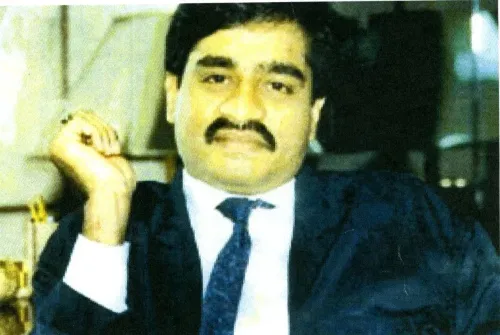
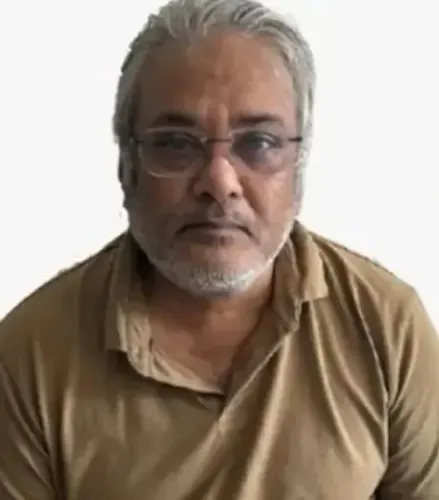
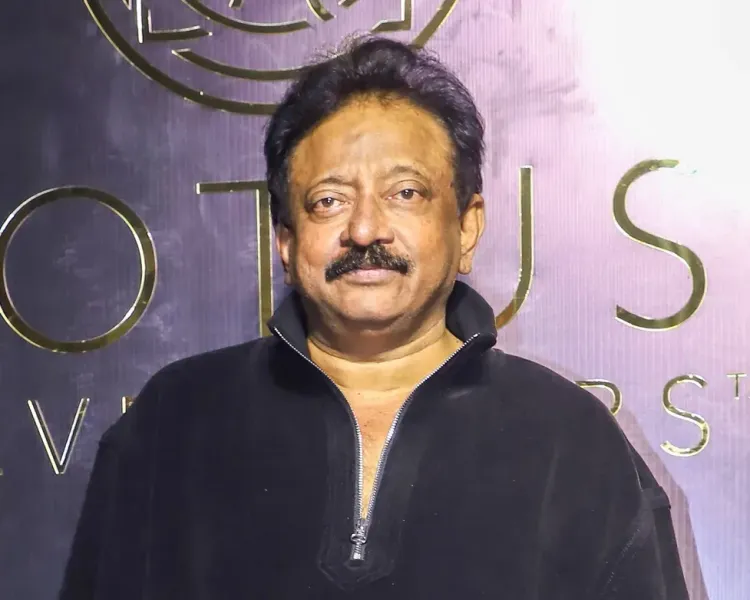
Filmmaker Ram Gopal Varma (RGV) has publicly stated that he has strong reasons to doubt the full involvement of internationally designated terrorist and organised crime leader Dawood Ibrahim in the 1993 Mumbai serial blasts. Varma made the remarks during a podcast conversation with noted author and crime journalist S. Hussain Zaidi, sparking fresh debate around a case that has remained legally unresolved for over three decades.
What RGV Said
Varma stated: 'I have a strong reason to believe that Dawood Ibrahim is not involved in the serial blasts of Mumbai in 1993. He is number one accused in the chargesheet. 13 years in TADA (Terrorist and Disruptive Activities (Prevention) Act) case with regards to the serial blasts of 1993 case, after the whole thing, they couldn't get one piece of evidence, material evidence or circumstantial evidence or eyewitness.'
When Zaidi pointed out that confessional statements exist placing Dawood as the prime accused, Varma argued those statements had not been independently corroborated. He said: 'There were confessional statements, but did someone prove it? Who knows who called, in whose voice. See, I am not trying to get Dawood out of it.'
Profile Argument and the Underworld Logic
Varma invoked what he described as a personality-based argument, claiming that accounts from people who have met Dawood Ibrahim suggest a man driven by business, luxury, and lifestyle rather than ideological mass violence. 'He is a businessman, he loves beautiful women, he loves a flamboyant lifestyle… by doing the serial blasts of 93, additionally he will gain Bombay, his place. After that, the police beat him so badly, Bombay underworld was almost broken,' Varma said, adding that 'anybody who lost his underworld, lost more than anything.'
Varma was careful to caveat his remarks, noting: 'I can't say it with conviction. I am not there. But it doesn't fit in the profile of what I think about him.'
The Legal and Historical Context
The 1993 Mumbai serial blasts — a coordinated series of 13 bomb explosions across the city on 12 March 1993 — killed over 250 people and injured hundreds more. Dawood Ibrahim, who leads the D-Company criminal network, is named the prime accused in the chargesheet filed under the Terrorist and Disruptive Activities (Prevention) Act (TADA). He has been a proclaimed fugitive and is believed to be living in Pakistan, a claim Islamabad has consistently denied. Both India and the United States have designated him a global terrorist.
The TADA trial ran for over 13 years and resulted in convictions of several accused, but Dawood Ibrahim himself has never been brought to trial in India.
Who Is S. Hussain Zaidi
The podcast host, S. Hussain Zaidi, is a prominent crime journalist and author whose books on Mumbai's underworld have been widely adapted for screen, including source material for 'Black Friday', 'Shootout at Wadala', 'Class of 83', and 'Gangubai Kathiawadi'. His expertise in organised crime lent the conversation added context, even as Varma's remarks are likely to draw criticism from legal experts and survivors of the blasts.
What Comes Next
Varma's comments carry no legal bearing on the case but are expected to reignite public discourse around evidentiary standards, the use of TADA, and India's decades-long effort to extradite Dawood Ibrahim. The debate also surfaces at a time when India continues to press international partners on accountability for the 1993 attacks.
Point of View
But they inadvertently highlight a genuine legal gap: India has never secured a courtroom conviction of Dawood Ibrahim for the 1993 blasts despite decades of effort. The TADA trial produced convictions for other accused, but the prime accused remains beyond reach — a fugitive shielded by geography and geopolitics. Varma frames this as a personality puzzle; the harder question is institutional: why, after 30-plus years, has India been unable to build an extradition-ready evidentiary case? His comments, however carelessly framed, land on a wound that Indian statecraft has not yet closed.
NationPress
19 Sept 2026
Frequently Asked Questions
What did Ram Gopal Varma say about Dawood Ibrahim and the 1993 Mumbai blasts?
Ram Gopal Varma said he has strong reasons to believe Dawood Ibrahim was not fully involved in the 1993 Mumbai serial blasts. He argued that after a 13-year TADA trial, no material evidence, circumstantial evidence, or eyewitness testimony was produced against Dawood in court.
What is the legal status of Dawood Ibrahim in the 1993 Mumbai blasts case?
Dawood Ibrahim is the number one accused in the chargesheet filed under the Terrorist and Disruptive Activities (Prevention) Act (TADA) for the 1993 Mumbai serial blasts. He has never been tried in an Indian court and remains a proclaimed fugitive, believed to be in Pakistan.
What were the 1993 Mumbai serial blasts?
The 1993 Mumbai serial blasts were a series of 13 coordinated bomb explosions that struck Mumbai on 12 March 1993, killing over 250 people and injuring hundreds more. They remain one of the deadliest acts of urban terrorism in India's history.
Why did RGV argue the profile does not fit Dawood Ibrahim?
Varma argued that people who have met Dawood describe him as a businessman focused on wealth, luxury, and lifestyle. He contended that orchestrating the 1993 blasts would have been self-defeating, as the subsequent police crackdown effectively dismantled the Mumbai underworld that Dawood had built.
Who is S. Hussain Zaidi and why does the podcast context matter?
S. Hussain Zaidi is a prominent crime journalist and author whose books on Mumbai's underworld have been adapted into films including 'Black Friday' and 'Gangubai Kathiawadi'. His expertise in organised crime gives the conversation added credibility, though Varma's remarks remain his personal opinion and carry no legal weight.