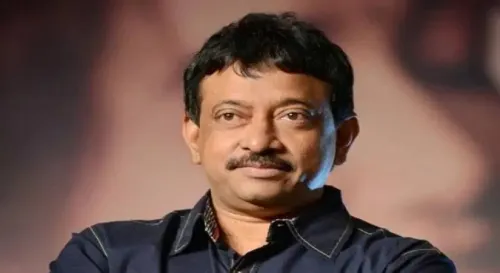
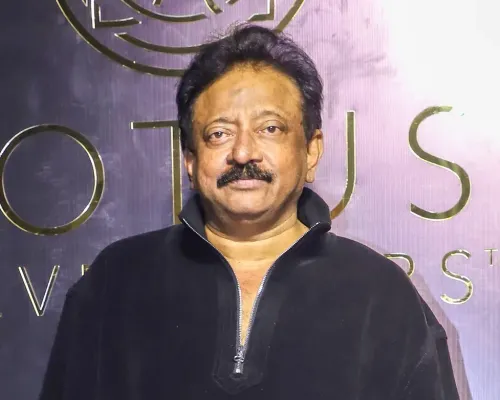
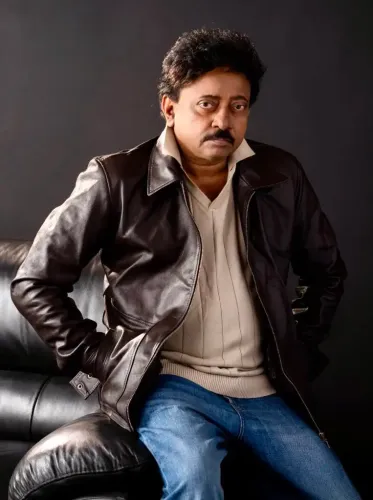
Ram Gopal Varma demands censor board ban, calls film censorship 'idiotic'
Synopsis
Ram Gopal Varma didn't just criticise the censor board — he called for its abolition. In a detailed X post, the filmmaker argued that a government committee deciding what adults can watch is constitutionally hypocritical in a democracy where those same adults elect the government, and practically pointless in a world where cut scenes trend on Instagram Reels within hours.
Key Takeaways
Ram Gopal Varma posted a lengthy critique on X on Wednesday , calling film censorship 'idiotic' and demanding a ban on the censor board.
He argued it is hypocritical for the state to trust adults with the vote but not with the choice of what films to watch.
Varma cited his film OBSESSION , where a censored scene was reportedly seen by 10 times more people on Instagram Reels than in theatres — illustrating that cuts create demand, not suppression.
He called on producers and directors to legally challenge the censor board's existence in courts and public discourse.
His proposed alternative: clear content disclosures for audiences, replacing cuts with informed viewer choice.
Veteran filmmaker Ram Gopal Varma on Wednesday launched a sharp public attack on film censorship in India, calling it an insult to adult audiences and demanding that the censor board be abolished. Posting at length on X, Varma argued that in an age of smartphones, global streaming platforms, and borderless internet, a government-appointed committee had no legitimate role in deciding what citizens could watch.
The Core Argument
'Censoring films actually is an insult to the audiences,' Varma wrote. 'In an era of smartphones, global streaming, and access to infinite information, to pretend that a government appointed committee (What is the qualification of its members?) can shield adults from the film makers' perspective of any truth is not only outdated, but it's also idiotic.'
The director drew a pointed contrast between civic trust and cultural gatekeeping. 'Here's the fundamental hypocrisy… If an adult is mature enough to vote for the leader of the country, raise families, run businesses, why the hell can't they decide for themselves what to watch?' he asked. He argued that the state was simultaneously trusting citizens with the ballot — a decision that shapes the future of over a billion people — while treating a scene in a film as potentially corrupting.
Censorship as 'Infantilising' Society
'That's not safeguarding society but infantilizing it,' Varma observed. He noted the contradiction that an 18-year-old could choose the country's leader, yet required a 'random committee member' to decide whether hearing a cuss word or watching a scene was harmful. He described a film as dramatic storytelling from a filmmaker's perspective, with the viewer holding the prerogative to agree or disagree.
Varma also pointed to the practical futility of cuts in the streaming era. 'Cutting a scene for theatrical release is laughable because the uncut version will hit torrents, Telegram, and all international platforms within hours,' he said. He cited a specific example: the head-banging scene in his film OBSESSION, which — after censors excised it — was reportedly viewed by ten times more people on Instagram Reels than watched the film in theatres. 'Censorship doesn't hide content, it creates demand,' he argued.
The Broader Creative and Democratic Cost
Varma contended that forcing trims on language, sensuality, violence, or ideology reduced cinema to what he called 'dishonest and hypocritical slop.' He questioned why cinematic moments triggered bans when children could freely consume brutal news coverage and extremist content online. Censorship, he said, was not about protecting values — cinema's role was to reflect a filmmaker's perception of reality, which in turn generated debate, 'the foundation of democracy.'
He called on producers and directors to stop, in his words, 'crawling on their knees before a non-thinking, uncreative agenda oriented bureaucracy that understands neither art nor audiences.' He argued that every time the industry accepted cuts or self-censored to avoid trouble, it emboldened the gatekeepers and made the entire ecosystem a soft target.
Call for Industry-Wide Legal Challenge
'I think it's time for the industry to come together to challenge the very existence of the censor board in its present form, both in courts and public discourses,' Varma wrote. He concluded by arguing that democracy demanded free expression, and that 'isolating and mutilating cinema' in a connected world was 'suicidal for our growth,' signing off with the hashtag #BanTheCensor. His position: what audiences need is not cuts but clear content disclosures, followed by respect for their right to choose.
Point of View
Theatrical censorship has become largely performative. What his broadside misses, however, is the distinction between censorship and classification: most mature democracies have robust age-rating systems without pre-release cuts, and that is the reform the industry could actually win in court. The louder question his post raises is why Indian filmmakers, collectively, have tolerated an opaque, qualification-free committee for decades. The answer likely lies in the commercial risk of delayed or denied certification — a structural leverage point the board retains regardless of how absurd its decisions look in the streaming era.
NationPress
13 Oct 2026
Frequently Asked Questions
What did Ram Gopal Varma say about the censor board?
Ram Gopal Varma called film censorship 'idiotic' and an insult to adult audiences, arguing that a government-appointed committee with no stated qualifications has no place deciding what citizens can watch in the age of streaming and AI. He posted his views at length on X and ended with the hashtag #BanTheCensor.
Why does Ram Gopal Varma think censorship is hypocritical?
Varma argues it is fundamentally contradictory for the state to trust adults with the right to vote — a decision affecting over a billion people — while treating a scene in a film as potentially corrupting. He described this as 'infantilising' society rather than protecting it.
What example did Ram Gopal Varma give to show censorship backfires?
He cited the head-banging scene in his film OBSESSION, which censors cut before theatrical release. According to Varma, the scene was subsequently seen by roughly ten times more people on Instagram Reels than watched the film in cinemas — evidence, he said, that censorship creates demand rather than suppressing content.
What alternative to censorship does Ram Gopal Varma propose?
Varma advocates replacing cuts with clear content disclosures — informing audiences what a film contains and then respecting their right to decide whether to watch it. He also called on the film industry to legally challenge the censor board's existence in courts and through public discourse.
Has Ram Gopal Varma called for collective industry action?
Yes. Varma urged producers and directors to stop accepting cuts or self-censoring to avoid regulatory trouble, arguing that doing so emboldens what he called a 'non-thinking, uncreative agenda oriented bureaucracy.' He said the industry should unite to challenge the censor board both legally and in public debate.