Revathy compares CJP protest police action to British-era violence
Synopsis
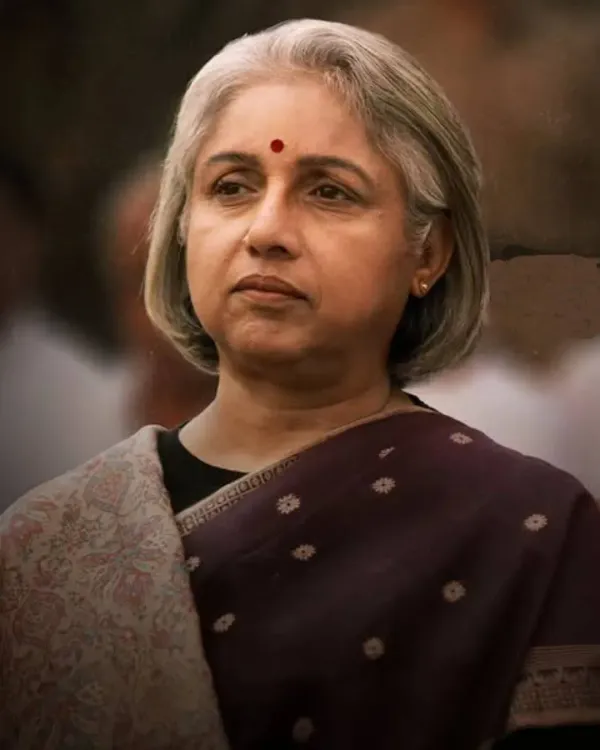
Actress Revathy Asha has drawn a sharp colonial parallel — comparing the police response to the CJP 'Sansad Chalo' march in Delhi to British-era violence during India's freedom struggle. Her open letter to every police officer in India, urging them to choose the Constitution over orders, signals how the protest crackdown is now drawing sustained pushback from public figures beyond politics.
Key Takeaways
Actress Revathy Asha condemned police action on CJP 'Sansad Chalo' protestors in Delhi on Tuesday .
She compared the crackdown to British colonial violence during India's freedom struggle in an Instagram post .
Revathy published an 'Open Letter to Every Police Officer in India' , urging officers to uphold their constitutional duty over orders.
She called the protest peaceful and demanded that student demands be heard, not suppressed with force.
Climate activist Sonam Wangchuk was among those participating in the march.
Actress Revathy Asha on Tuesday publicly condemned the police crackdown on students participating in the 'Sansad Chalo' march in Delhi, drawing a pointed parallel between the conduct of security forces and colonial-era British violence during India's freedom struggle. Her remarks, posted on Instagram, quickly drew widespread attention.
What Revathy Said on Social Media
In her Instagram post, Revathy wrote: '#cjpprotest #cjp The protectors unleashing violence… orders given by their seniors!!! Reminds us of the British violence during our freedom struggle… the officers were British but the soldiers were Indian… they had to obey, else they would be punished! Today we are seeing a repeat but the difference is both the cops on the ground and their seniors are Indian!!!'
She stressed that the protest had been peaceful and called on authorities to engage with the demonstrators rather than suppress them. 'It was peaceful!!! What ever the demands, it should be heard and discussed...not silenced with violence… The children are voicing out their concern - hear them, talk to them… not beat them… with Sonam Wangchuk and the students of our country,' she added.
The Open Letter to Police Officers
Revathy also published what she titled 'An Open Letter to Every Police Officer in India', addressed directly to the personnel deployed during the protest. In it, she wrote: 'Dear Police Officer, Today, I didn't just watch students protest. I watched the people sworn to protect them stand against them. Your uniform is more than a badge of authority. It is a promise. A promise that citizens can raise their voices without being treated like enemies.'
She urged officers to reflect on the choices embedded in every order they receive, arguing that they had an opportunity — and an obligation — to stand beside the students rather than against them. 'You could have formed a protective corridor instead of a barricade. You could have escorted them safely to the gates of Parliament and said, 'These are your children. Hear them.' What a powerful message that would have been,' she wrote.
A Message on Constitutional Duty
Revathy invoked the constitutional role of law enforcement, arguing that police exist to protect citizens regardless of which government holds power. She asked officers to consider how the students — who she said would grow up to become 'doctors, teachers, engineers, judges, entrepreneurs, and maybe even police officers' — would one day remember this moment.
She concluded the letter with: 'History rarely remembers the orders. It remembers the courage. From one citizen who still hopes you'll choose the Constitution over fear, Jai Hind.'
Context: The CJP Protest and Sansad Chalo March
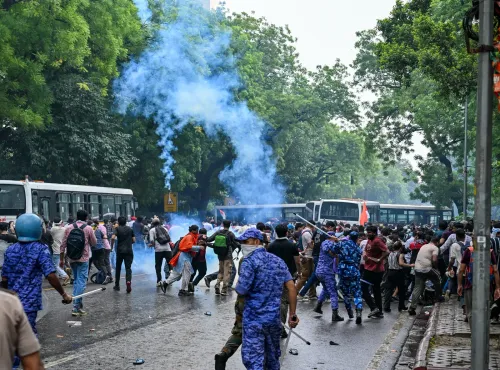
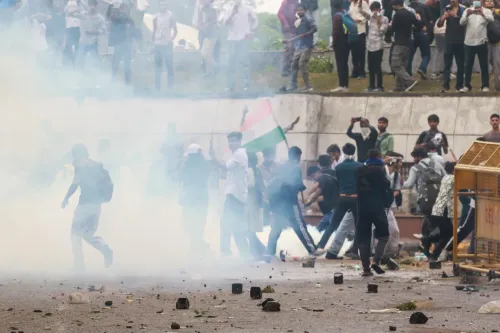
The 'Sansad Chalo' march, associated with the CJP (Citizens for Justice and Peace) protest movement, saw students and activists attempt to march towards Parliament in Delhi. Police deployed barricades and, according to reports, used force to disperse the crowd. The demonstration also featured climate activist Sonam Wangchuk, whose participation drew additional public focus to the protest.
Revathy's intervention adds a prominent cultural voice to what has become a broader debate about the limits of state authority and the right to peaceful dissent in India.
Point of View
A comparison that will resonate sharply with some and provoke equally sharp rejection from others. What mainstream coverage risks missing is the broader pattern — this is not the first time cultural figures have stepped into protest politics in India, and the frequency of such interventions is itself a signal of how far the debate over dissent and state authority has moved into public consciousness.
NationPress
21 Jul 2026
Frequently Asked Questions
What did actress Revathy say about the CJP protest police action?
Revathy Asha condemned the police crackdown on students during the 'Sansad Chalo' march in Delhi, comparing it to British colonial violence during India's freedom struggle. She posted her remarks on Instagram and also published an open letter addressed to every police officer in India.
What is the CJP 'Sansad Chalo' march?
The 'Sansad Chalo' march is a protest associated with Citizens for Justice and Peace (CJP), in which students and activists attempted to march towards Parliament in Delhi. Police deployed barricades and reportedly used force to disperse the crowd.
What did Revathy's open letter to police officers say?
In her open letter titled 'An Open Letter to Every Police Officer in India', Revathy urged officers to remember their constitutional duty to protect citizens rather than suppress peaceful dissent. She argued that officers had a choice in how they responded and that history remembers courage, not orders.
Who is Sonam Wangchuk and why was he mentioned?
Sonam Wangchuk is a climate activist and innovator who participated in the CJP protest march. Revathy specifically mentioned him alongside the protesting students when calling on authorities to engage with demonstrators rather than use force against them.
Why did Revathy compare the police action to British-era violence?
Revathy drew the parallel to highlight what she described as a contradiction — that during colonial rule, Indian soldiers carried out British orders against their own people, and she argued a similar dynamic was visible today, with both officers and their seniors being Indian. The comparison was intended as a moral critique of following orders that suppress peaceful protest.