Mahhi Vij slams alleged violence on CJP protest marchers: 'This is not democracy'

Synopsis
Actress Mahhi Vij's Instagram post on the alleged lathi charge against CJP 'Chalo Sansad' marchers cuts through the noise: her argument isn't about which side is right, but whether a democracy can justify beating its own young people into silence. Her intervention arrives as the NEET controversy and Sonam Wangchuk's hunger strike put the capital's political temperature at a boiling point.
Key Takeaways
Mahhi Vij posted a public condemnation on Instagram on 21 July over alleged violence against young protesters at the CJP 'Chalo Sansad' march.
The march targeted alleged NEET examination irregularities and demanded the resignation of Union Education Minister Dharmendra Pradhan .
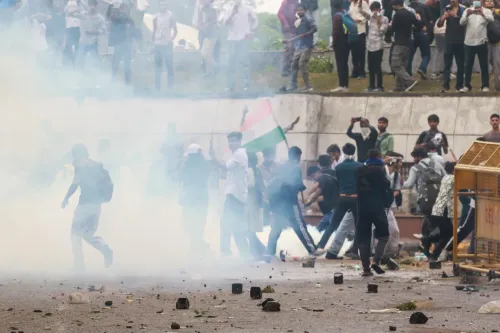
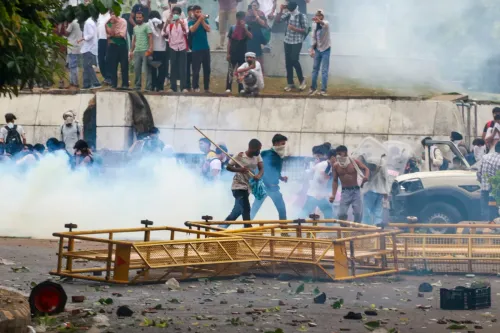
Security personnel allegedly used tear gas and batons , and several students were reportedly taken into custody.
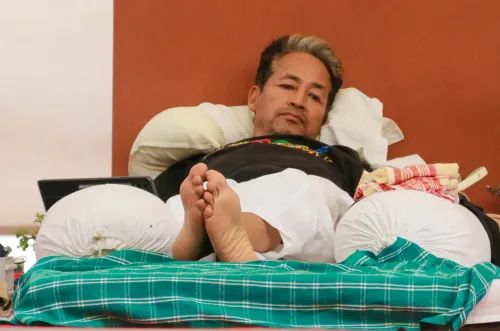
Activist Sonam Wangchuk was shifted to Safdarjung Hospital by Delhi Police during his ongoing indefinite hunger strike on the same day.
Vij stressed that disagreement with a protest does not justify physical harm, calling violence against young people incompatible with democracy.
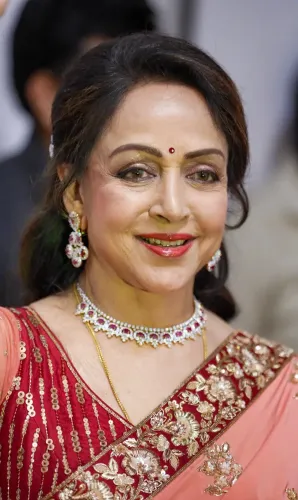
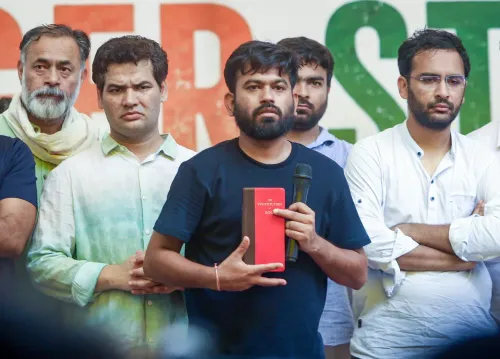
Television actress Mahhi Vij has publicly condemned the alleged use of force against young demonstrators during the Cockroach Janta Party (CJP)'s 'Chalo Sansad' march towards Parliament in New Delhi, calling the reported crackdown a betrayal of democratic values. Her statement, shared on Instagram, came amid widespread outrage over the 21 July protest that witnessed clashes between security personnel and demonstrators.
What Mahhi Vij Said
The actress, known for her roles in 'Laagi Tujhse Lagan' and 'Seher – Hone Ko Hai', shared an emotional message expressing anguish over visuals of young protesters allegedly being beaten. In her post, she wrote: 'My heart aches and I feel completely broken seeing young kids being beaten so brutally. This is not what anyone was asking for. This is not about who is protesting, who is angry, who is doing what, or who is on which side. But when you see children being beaten, injured and subjected to a brutal lathi charge, you cannot stay silent.'
She continued: 'Who is doing the protest? Who is creating the chaos? Who is getting ugly? These questions can be asked and answered. But tell me — is beating up kids, breaking their heads and using violence against them the answer? Is this what democracy has come to? Democracy is about the right to speak. The right to question. The right to protest. The right to be heard. And if there is a problem, there are laws and systems to deal with it. But violence against children and young people can never be the solution.'
A Plea for Humanity Over Force
Vij stressed that disagreement with a protest, its participants, or its methods does not justify physical harm. 'These are somebody's children. Somebody's sons and daughters. Somebody's families who are sitting at home, terrified and praying for their safety. We may disagree with a protest. We may disagree with the people protesting. We may disagree with their methods. But we should never lose our humanity,' she wrote.
She concluded: 'No child deserves to be beaten. No parent should have to watch their child being hurt. And no country should ever make violence against its own young people look normal. This is not what we were asking for. We were asking to be heard.'
What Happened at the CJP March
The CJP 'Chalo Sansad' march on 21 July was organised to protest alleged irregularities in the NEET medical entrance examination and to demand the resignation of Union Education Minister Dharmendra Pradhan. According to reports, police allegedly prevented the marchers from advancing towards Parliament, following which clashes broke out. Security personnel reportedly used tear gas and batons to disperse the crowd, and several students were taken into custody.
The demonstration also coincided with activist Sonam Wangchuk's ongoing indefinite hunger strike, during which he was shifted to Safdarjung Hospital by the Delhi Police, adding another layer of tension to the capital's political atmosphere that day.
Broader Context
The NEET controversy has triggered sustained protests across India, with students and civil society groups demanding a thorough investigation into alleged paper leaks and examination irregularities. This comes amid a wider national conversation about the right to peaceful protest and the proportionality of police response. Vij's intervention reflects a growing chorus of voices from public figures urging restraint and dialogue over confrontation.
Point of View
But Mahhi Vij's statement does something more precise than most political commentary: it separates the question of whether a protest is legitimate from the question of whether the state's response is proportionate. That distinction is being routinely collapsed in public discourse around the NEET agitation. The deeper issue is that the CJP march is not an isolated event — it is the latest in a pattern of student-led demonstrations met with force, from anti-CAA protests onwards. When public figures feel compelled to state that 'no child deserves to be beaten' as if it were a contested proposition, it signals how normalised the optics of state force against protesters have become. The accountability question — who ordered the lathi charge, under what legal authority, and with what oversight — remains unanswered in mainstream coverage.
NationPress
20 Oct 2026
Frequently Asked Questions
What did Mahhi Vij say about the CJP protest march?
Mahhi Vij condemned the alleged use of batons and tear gas against young protesters during the CJP 'Chalo Sansad' march on 21 July, writing on Instagram that 'violence against children and young people can never be the solution.' She argued that while disagreement with a protest is valid, harming young demonstrators is incompatible with democracy.
What was the CJP 'Chalo Sansad' march about?
The march was organised to protest alleged irregularities in the NEET medical entrance examination and to demand the resignation of Union Education Minister Dharmendra Pradhan. Protesters attempted to march towards Parliament in New Delhi on 21 July before police allegedly blocked their path.
What did police allegedly do at the CJP protest march?
According to reports, security personnel allegedly used tear gas and batons to disperse the crowd after preventing marchers from advancing towards Parliament. Several students were reportedly taken into custody during the clashes.
Who is Sonam Wangchuk and what is his connection to the 21 July events?
Sonam Wangchuk is an activist who was on an indefinite hunger strike at the time of the CJP march. On 21 July, Delhi Police shifted him to Safdarjung Hospital, adding to the political tension surrounding the day's events in the capital.
Why is the NEET controversy significant?
The NEET controversy centres on alleged paper leaks and irregularities in India's premier medical entrance examination, which determines admissions to government medical colleges. Students and civil society groups have been demanding a formal investigation and accountability from the Union Education Ministry.