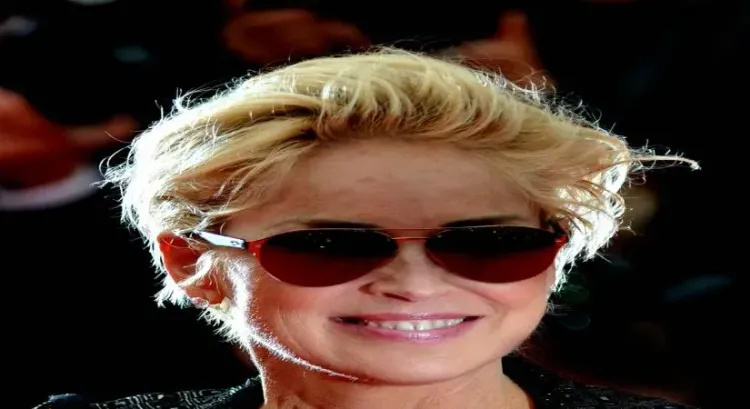
Sharon Stone on Father's Day cards: how she played both parenting roles
Synopsis
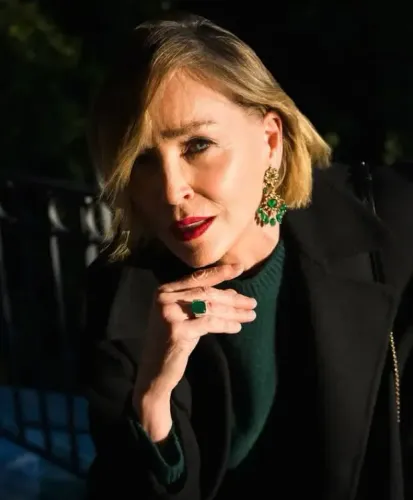
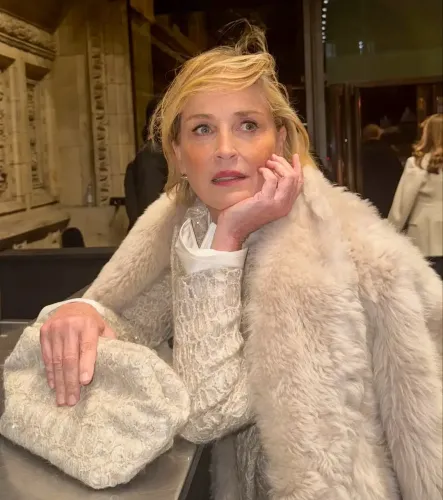
Sharon Stone didn't just raise three sons — she built a room for it. The actress told Keke Palmer she designated a specific space in her home for dad questions, shifting her parenting register so deliberately that her boys started giving her Father's Day cards alongside Mother's Day ones. It is a small detail that says a lot about how she redefined what a family can look like.
Key Takeaways
Sharon Stone , 68 , created a dedicated dad questions room in her home to address topics her sons might seek a father figure for.
Her three adopted sons — Roan , 26 , Laird , 21 , and Quinn , 20 — gave her both Mother's Day and Father's Day cards.
Stone adopted Roan with ex-husband Phil Bronstein and later adopted Laird and Quinn as a lone parent.
She credited her father as a model of mutual respect, describing him standing when her mother entered the room and correcting anyone who swore in front of her.
Stone expressed concern that the community spirit she grew up with has faded in modern society.
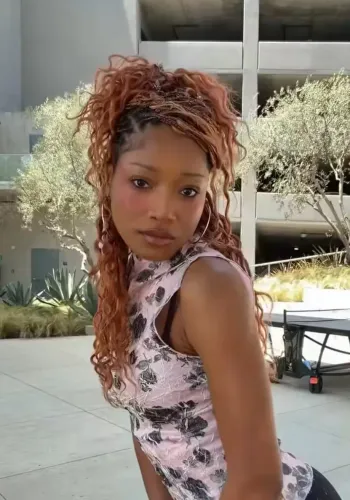
Hollywood actress Sharon Stone has opened up about her unconventional approach to single parenting, revealing that her three adopted sons — Roan, 26, Laird, 21, and Quinn, 20 — used to give her both Mother's Day and Father's Day cards, a gesture she says reflected how deliberately she stepped into both parental roles. The 68-year-old actress discussed the experience during a conversation with Keke Palmer for Variety.
The Dad Questions Room
Stone described designating a specific room in her home for what she called 'dad questions' — a space where she consciously shifted her parenting register to address topics her sons might otherwise have sought a father figure to answer. 'This is where we do dad questions. And now you talk to me like I am your dad. And that is what we did,' she told Palmer. 'We are going to talk about anything you might need to know about this, this or this.'
Palmer, herself a new parent, acknowledged that single parenting is 'so hard', and Stone agreed, noting it 'changed me.' The exchange offered a rare, candid window into how Stone navigated raising three boys largely on her own.
Why She Chose to Adopt Alone
Stone adopted her eldest son Roan with her then-husband Phil Bronstein, but proceeded as a lone parent for Laird and Quinn. She was direct about her reasoning: 'Moving ahead with my own plan and not waiting for other people to figure out if my plan is good, or you like my plan, or you can handle it. I decided that I could, and you couldn't. Better by myself.'
The remark underscores a broader theme in Stone's public persona — a refusal to subordinate personal decisions to social expectation or a partner's readiness.
Her Father's Influence
Stone also spoke warmly about her own upbringing, crediting her father as a formative model of respect between partners. She described a rural, working-class household where the family 'ate what he hunted and fished for' and her mother preserved garden produce through the winter. 'They were a serious team,' she said. 'When my mom walked in the room, my dad stood up. He pulled out her chair for dinner. He helped her with her coat.'
She recalled that her father would correct anyone who swore in front of her mother — even though, as Stone noted with evident affection, 'my mother swore like a sailor.'
Women as the Constant
Stone extended her reflections into a broader observation about gender roles and domestic responsibility. 'The men are going to come and go. They are gonna come and go from work, or from your whole life. But we are going to keep it together. The food on the table, the kids going to school, doctor, dentist, all the things, we are the ones,' she said.
She also expressed concern that the tight-knit community spirit she experienced growing up has eroded in contemporary society — a loss she views as consequential for how families, and particularly women, are supported. Stone's candid account adds to a growing cultural conversation around solo parenting, redefining family structures, and the invisible labour that sustains households.
Point of View
She was acknowledging a gap and filling it herself, rather than waiting for a partner or lamenting the absence of one. What mainstream coverage tends to miss is the class dimension: Stone grew up poor and rural, shaped by parents who ran a subsistence household as genuine equals. That origin story makes her later choices as a single adoptive parent less surprising and more coherent. The Father's Day cards are the headline, but the real story is a woman who decided the architecture of her family was hers alone to design.
NationPress
24 Oct 2026
Frequently Asked Questions
Why did Sharon Stone receive Father's Day cards from her sons?
Sharon Stone received Father's Day cards because she actively took on both parental roles for her three adopted sons, including creating a dedicated room in her home for dad questions. Her sons recognised this dual role by giving her cards for both Mother's Day and Father's Day.
How many children has Sharon Stone adopted?
Sharon Stone has adopted three sons: Roan, 26, Laird, 21, and Quinn, 20. She adopted Roan with her then-husband Phil Bronstein, while Laird and Quinn were adopted as a lone parent.
What did Sharon Stone say about the dad questions room?
Stone told Keke Palmer during a Variety interview that she took her sons into a specific room, closed the door, and told them this is where they do dad questions and they should talk to her like she is their dad. The space was designed to give her sons a safe, defined context for conversations they might otherwise have had with a father figure.
What did Sharon Stone say about her own father?
Stone described her father as a formative model of respect, recalling that he stood when her mother entered the room, pulled out her chair at dinner, and corrected anyone who swore in front of her. She described her parents as a serious team who ran a rural, working-class household together.
Where did Sharon Stone discuss her parenting approach?
Stone discussed her parenting in a conversation with Keke Palmer for Variety, in which both women reflected on the challenges of single parenthood and the ways they have navigated raising children without a co-parent.