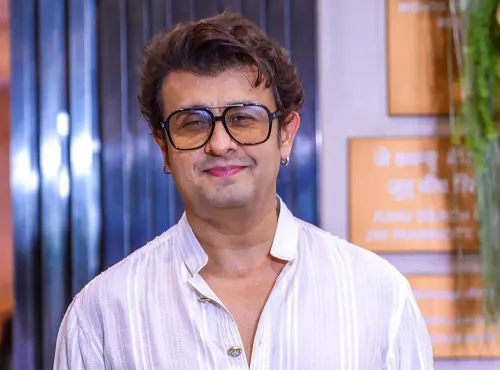
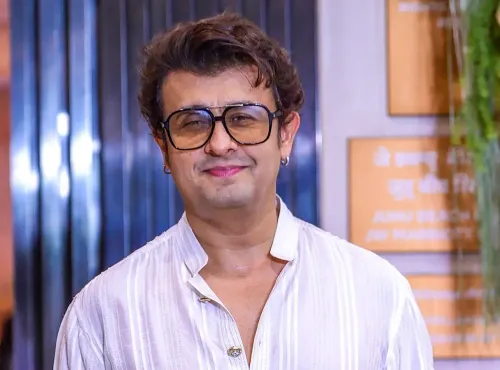
Sonu Nigam on why classical music and Ghazals have a niche audience

Synopsis
Sonu Nigam’s pyramid theory of music is a rare honest take from inside Bollywood: the more complex the art form, the smaller the crowd. His framing puts rap at the base and classical music at the apex — and argues that’s not a problem, it’s simply how culture works. In an era of algorithm-driven playlists, that’s a perspective worth hearing.
Key Takeaways
Sonu Nigam used a pyramid analogy to explain why classical music and Ghazals attract smaller audiences than rap or pop.
He argued that as artistic complexity rises, audience size naturally decreases — a pattern he said applies to sports as well as music.
Nigam noted that independent music is currently thriving, offering artists freedom to explore diverse genres.
He acknowledged that film music has evolved significantly, reshaping listener expectations across generations.
Nigam expressed an overall optimistic view, stating ‘music as a whole is doing well’ in the current landscape.
Veteran singer Sonu Nigam has spoken candidly about the shifting music preferences among Indian youth, explaining why genres such as classical music and Ghazals command a smaller but more devoted audience compared to mainstream pop and rap. His remarks came during a recent media interaction in Mumbai.
The Pyramid Theory of Music
Nigam used the analogy of a pyramid to describe how audience size narrows as artistic complexity increases. “There is a pyramid or a triangle in every field. Popular things come at the lowest base. As your art keeps rising, your audience keeps decreasing,” he explained. He drew parallels with sports, noting that cricket and football attract the widest following because they are accessible, while niche sports like chess draw a smaller crowd due to the deeper understanding they demand.
“The same thing happens in music. Rap and popular music are at the base of the pyramid. Everyone can sing rap, and that’s a good thing because people enjoy it. If you go a little higher, there is film music. Further up, there are Ghazals and Bhajans, and then comes classical music. Just like chess, classical music requires a deeper understanding. So, you can never expect Ghazals or Bhajans to have the same audience as rap,” Nigam said.
How Film Music Has Evolved
The ‘Kal Ho Na Ho’ singer acknowledged that the soundscape of Indian cinema has transformed significantly over the years, and with it, listener preferences. He noted that the industry’s shift toward high-energy, beat-driven tracks has reshaped what audiences expect from playback singing.
Notably, this evolution has also opened new avenues for artists. Nigam pointed out that independent music is currently thriving, giving singers the freedom to experiment across genres without the constraints of commercial film productions.
Independent Music and the Road Ahead
“Music will not always remain the same. The sound of films has changed, and the audience’s taste has also evolved. However, independent music is doing well. Anyone who wants to sing can explore different genres, whether it is Ghazal, Bhajan, rap, or pop music. So, I believe music as a whole is doing well,” Nigam said.
His perspective reflects a broader reality in the Indian music industry, where streaming platforms have democratised access and allowed niche genres to find dedicated listener bases even as mainstream pop dominates the charts.
What This Means for Classical Music
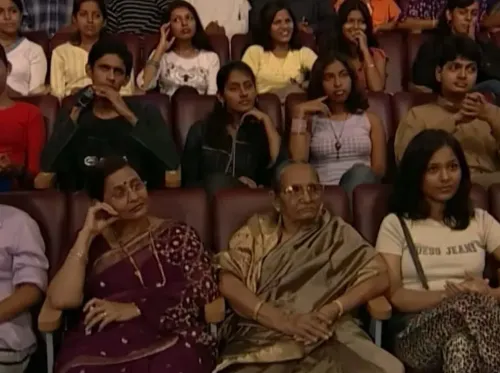
Classical music and Ghazals, despite their limited mass appeal, continue to retain a loyal following among connoisseurs. Practitioners and educators in these genres have long argued that deeper investment in music education could widen their audience over time. Nigam’s pyramid model, while descriptive, also implicitly underscores the need for greater cultural exposure to elevate appreciation for these art forms among younger generations.
As India’s music ecosystem continues to diversify, the interplay between popular accessibility and artistic depth is likely to remain a defining tension in the industry.
Point of View
Particularly among diaspora listeners. The real barrier may not be complexity but discoverability — a product of how algorithms are tuned, not audience capacity. What mainstream coverage misses is that the ‘niche’ label for classical music is partly a self-fulfilling prophecy sustained by under-investment in music education and curation, not an immutable law of cultural pyramids.
NationPress
21 Oct 2026
Frequently Asked Questions
What did Sonu Nigam say about classical music and Ghazals?
Sonu Nigam said classical music and Ghazals naturally attract a smaller audience because they require deeper understanding and appreciation, much like chess compared to cricket. He used a pyramid analogy, placing rap and popular music at the broad base and classical music at the narrow apex.
What is Sonu Nigam’s pyramid theory of music?
Nigam’s pyramid theory holds that in every field — music or sports — the most accessible forms attract the largest audiences, while more specialised or complex forms draw a smaller but dedicated crowd. In music, he places rap at the base and classical music at the top of this pyramid.
What did Sonu Nigam say about independent music in India?
Nigam expressed optimism about independent music, saying it is currently doing well and gives artists the freedom to explore genres ranging from Ghazal and Bhajan to rap and pop without the constraints of commercial film productions.
Why does classical music have a smaller audience according to Sonu Nigam?
According to Nigam, classical music demands a deeper level of understanding from listeners, similar to how chess requires more knowledge than cricket to be fully appreciated. This higher entry barrier naturally limits its mass appeal.
Where did Sonu Nigam make these remarks?
Sonu Nigam shared these views during a media interaction at a recent event in Mumbai on 23 July.