Sandeep Reddy Vanga speaks out on film-violence debate after AP chainsaw attack
Synopsis
A chainsaw attack on a schoolgirl in Andhra Pradesh's Raptadu reignited the debate over violent cinema — and Sandeep Reddy Vanga fired back, calling critics opportunists exploiting a tragedy. With the 'Animal' classroom sequence back in circulation and Ram Gopal Varma wading in, the row over what films normalise has rarely been louder.
Key Takeaways
Sandeep Reddy Vanga posted on X on 4 November 2026 , defending his films against criticism following the Raptadu chainsaw attack.
A 21-year-old man, Hemanth , allegedly attacked a 15-year-old girl with a chainsaw inside a Class 10 classroom in Anantapur district, Andhra Pradesh ; student Lakshmi was also injured while shielding her.
Critics linked the attack to a school-classroom scene in Vanga 's film Animal , starring Ranbir Kapoor .
Vanga accused certain industry figures of using the tragedy as an “opportunity to take a dig at someone else’s work.” Filmmaker Ram Gopal Varma also posted on X , arguing that blaming cinema for violence was misplaced.
Filmmaker Sandeep Reddy Vanga has broken his silence on the criticism directed at his work following a brutal chainsaw attack at a school in Raptadu, Anantapur district, Andhra Pradesh, that has sparked a national debate over the influence of violent cinema. Taking to social media platform X on 4 November 2026, the Animal director argued that tragedies demand empathy, not scapegoating.
Vanga's Statement
In his post, Vanga wrote: “When someone commits a heinous crime, the first response should be empathy & an attempt to understand the larger problem. Not finding a convenient scapegoat in cinema. It is becoming increasingly clear that your concern is not for the victims or their families, but that you’re using a horrific tragedy as a dirty excuse to settle your personal scores.”
The director also trained his sights on what he described as opportunistic voices within the film industry itself. “This is especially directed at those failed frustrated jobless male/female actors, few directors, producers & parasites, who suddenly appoint themselves as social reformers whenever an opportunity arises to take a dig at someone else’s work. A tragedy deserves empathy not opportunism. Learn the difference,” he added.
The Andhra Pradesh Chainsaw Attack
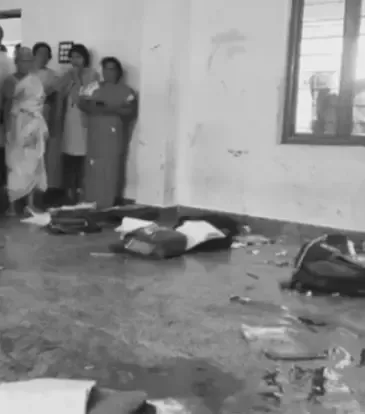
The incident at the centre of the controversy took place when a 21-year-old man, identified as Hemanth, allegedly entered a Class 10 classroom at a school in Raptadu and attacked a 15-year-old girl with a chainsaw. A second student, Lakshmi, was injured while attempting to shield her classmate from the assault. According to preliminary police findings, the accused is reportedly related to the victim and had allegedly been stalking her before attacking her after she rejected his advances.
The attack triggered widespread public outrage and reignited a long-running debate over whether films depicting violence — particularly those set in school or college environments — contribute to real-world aggression.
Why Vanga's Film 'Animal' Came Under Scrutiny
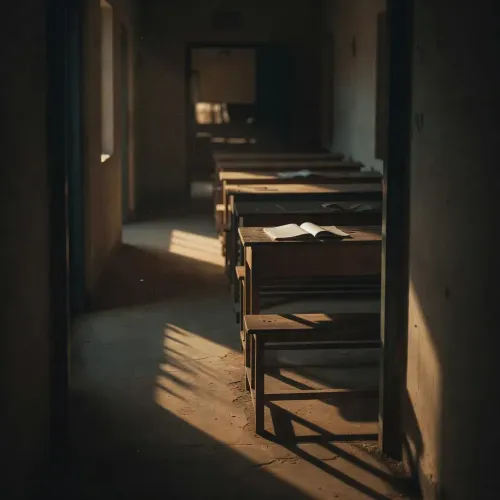
Several social media users drew parallels between the chainsaw attack and a sequence from Vanga's 2023 blockbuster Animal, starring Ranbir Kapoor, in which the lead character enters a school classroom carrying a loaded gun. Critics argued the scene normalises the idea of weaponised confrontation in an educational setting. The sequence, which had already attracted debate at the time of the film’s release, resurfaced prominently following the Raptadu incident.
Notably, this is not the first time Vanga's films have drawn fire for their portrayal of toxic masculinity, domestic violence, and glorification of aggression. His earlier film Kabir Singh generated similar controversy. The director has consistently maintained that his work reflects complex human realities rather than endorsing them.
Ram Gopal Varma Weighs In
Filmmaker Ram Gopal Varma also entered the debate, posting on X that blaming cinema for real-world violence was misplaced. “Blaming films for rise in violence is like blaming Ramayana for rise in kidnappings,” he wrote, drawing both support and criticism in equal measure.
The Broader Debate
The controversy places fresh pressure on India’s film certification and content-regulation frameworks, with critics arguing that the Central Board of Film Certification’s approach to on-screen violence requires reexamination. Supporters of filmmakers like Vanga counter that restricting artistic expression is not a substitute for addressing root causes of gendered violence, including stalking and harassment. The debate is unlikely to be resolved quickly, and the Raptadu attack is expected to remain a reference point in future policy discussions on content regulation.
Point of View
But it sidesteps the more precise question critics are raising: not whether films cause violence wholesale, but whether specific sequences — a gunman in a classroom played for swagger — shape how impressionable viewers conceptualise confrontation. The 'Ramayana and kidnapping' analogy from Ram Gopal Varma is clever deflection, not an argument. India's real gap is in content-impact research; the debate will keep cycling through every high-profile crime until there is credible data either way. What is certain is that neither reflexive censorship nor blanket dismissal of media influence serves the victims at the centre of this tragedy.
NationPress
4 Nov 2026
Frequently Asked Questions
What did Sandeep Reddy Vanga say about the Andhra Pradesh chainsaw attack?
Vanga posted on X that the first response to a heinous crime should be empathy, not blaming cinema, and accused some industry figures of using the tragedy to settle personal scores. He did not address the specific classroom scene from 'Animal' that critics highlighted.
What happened in the Raptadu chainsaw attack?
A 21-year-old man named Hemanth allegedly entered a Class 10 classroom at a school in Raptadu, Anantapur district, Andhra Pradesh, and attacked a 15-year-old girl with a chainsaw. A second student, Lakshmi, was injured while trying to protect her classmate; police say the accused had allegedly been stalking the victim.
Why is Vanga's film 'Animal' linked to the Raptadu attack?
'Animal' contains a sequence in which the lead character, played by Ranbir Kapoor, enters a school classroom carrying a loaded gun. Critics argue the scene glamorises armed confrontation in an educational setting, and it resurfaced widely on social media after the Raptadu attack.
What did Ram Gopal Varma say about the cinema-violence debate?
Ram Gopal Varma posted on X that blaming films for rising violence was misplaced, writing: 'Blaming films for rise in violence is like blaming Ramayana for rise in kidnappings.' The remark drew both support and criticism online.
Is this the first time Sandeep Reddy Vanga's films have faced such criticism?
No. Vanga's earlier film 'Kabir Singh' also drew significant criticism for its portrayal of toxic masculinity and violence against women. The director has repeatedly argued that his films depict complex human realities rather than endorsing harmful behaviour.