Sandeep Reddy Vanga slams trolls over Raptadu chainsaw attack blame on cinema
Synopsis
Sandeep Reddy Vanga fired back at social media trolls who blamed his films for the Raptadu chainsaw school attack, calling their reactions opportunistic score-settling rather than empathy for victims. His post arrives as a Class 10 girl fights recovery after a horrific classroom assault in Andhra Pradesh that shocked the country.
Key Takeaways
Director Sandeep Reddy Vanga posted a rebuttal on X on 4 November 2026 against trolls blaming his films for the Raptadu school attack.
He accused critics of using ‘a horrific tragedy as a dirty excuse to settle personal scores.’ A Class 10 girl was attacked with an electric chainsaw inside her classroom at Zilla Parishad High School , Raptadu , Anantapur district , Andhra Pradesh .
The victim suffered severe injuries including near-severing of her right hand; a second student was also injured trying to help.
The suspect was arrested after being injured in police firing and reportedly lost his leg; the primary victim has since been taken off a ventilator.
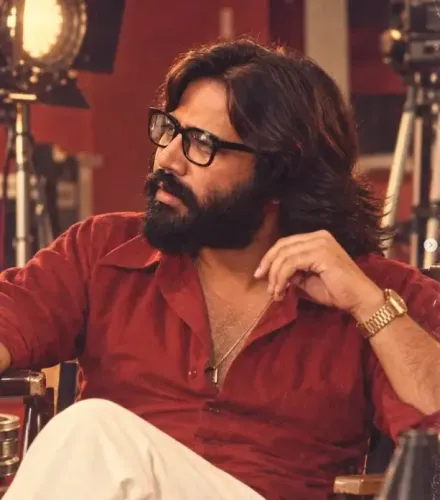
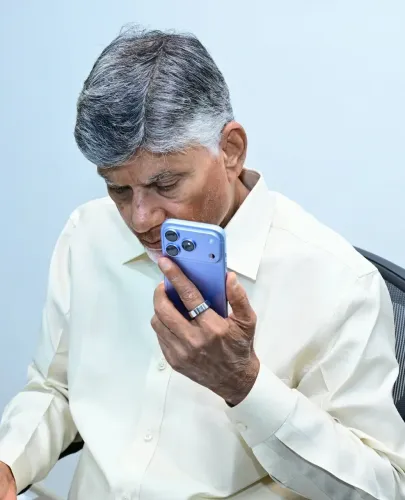
Director Sandeep Reddy Vanga on Wednesday, 4 November 2026, publicly pushed back against social media users who blamed his films for the chainsaw attack on two Class 10 students inside a classroom at Zilla Parishad High School in Raptadu, Anantapur district, Andhra Pradesh. The director posted a sharp rebuke on X (formerly Twitter), calling out what he described as opportunism masquerading as social concern.
What Vanga Said
In his post, Vanga wrote, “When someone commits a heinous crime, the first response should be empathy and an attempt to understand the larger problem. Not finding a convenient scapegoat in cinema.” He further alleged that the critics were motivated by personal grudges rather than genuine concern for victims: “It is becoming increasingly clear that your concern is not for the victims or their families, but that you’re using a horrific tragedy as a dirty excuse to settle your personal scores.”
Vanga did not stop at a general statement. He pointedly addressed a specific group, writing, “This is especially directed at those failed frustrated jobless male/female actors, few directors, producers & parasites, who suddenly appoint themselves as social reformers whenever an opportunity arises to take a dig at someone else’s work. A tragedy deserves empathy, not opportunism. Learn the difference.”
The Raptadu School Attack: What Happened
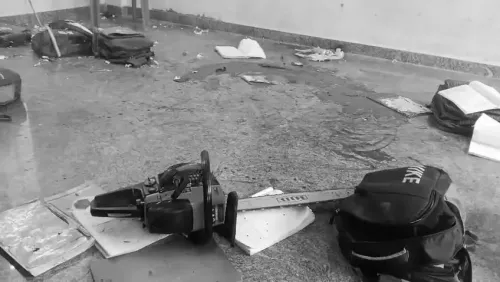
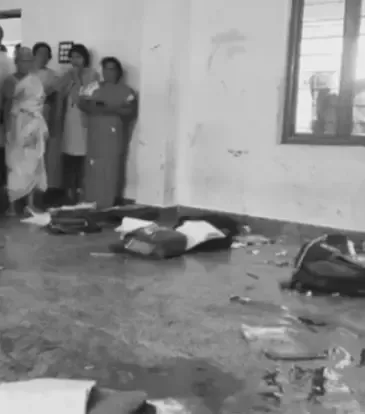
The incident that triggered the controversy involved a man who attacked a Class 10 girl student with an electric chainsaw inside her classroom at the Zilla Parishad High School in Raptadu, Anantapur district. According to officials, the student suffered severe injuries to her face, head, and throat, with deep wounds to her neck and abdomen. Her right hand was reportedly almost severed in the assault. A second girl who attempted to intervene was also seriously injured.
The attack shocked the nation and drew widespread condemnation from across society. The suspect was subsequently arrested by police. During the apprehension, the suspect was injured in police firing and reportedly lost his leg. As of the latest reports, the primary victim has been taken off a ventilator.
Cinema and Crime: The Blame Debate
The trolling directed at Vanga was part of a broader, recurring debate in India over whether violent or provocative cinema influences real-world criminal behaviour. Critics have periodically singled out directors whose films feature intense violence or morally complex male protagonists. This comes amid a wider conversation about the responsibility of storytellers in a country where film culture carries significant social weight. Vanga, known for films with unapologetically dark themes, has been a recurring target in such debates.
Notably, this is not the first time a high-profile crime has reignited arguments about cinematic influence, with filmmakers, sociologists, and law enforcement experts often divided on the question of causation versus correlation.
Reactions and What Comes Next
Vanga’s post drew significant engagement on X, with supporters backing his right to defend his work and critics arguing that public figures in cinema bear some responsibility for cultural impact. The debate is likely to continue as the Raptadu case moves through the legal process. Meanwhile, the focus from victims’ advocates remains on justice for the injured students and a broader examination of school safety protocols in Andhra Pradesh.
Point of View
Name-calling counter-punch that will rally his fanbase but do little to advance the more substantive question: how does society respond to violent crime without scapegoating culture, and without dismissing the conversation entirely? The director is not wrong that opportunism exists in public discourse after tragedies, but blanket dismissal of the cinema-and-violence debate as score-settling also forecloses a conversation that researchers, educators, and policymakers take seriously. The real failure here is not Vanga’s films or his critics — it is that a child was attacked with a chainsaw inside a classroom, and the national discourse has drifted from school safety and mental health infrastructure to a Twitter spat about a filmmaker’s reputation.
NationPress
4 Nov 2026
Frequently Asked Questions
Why did Sandeep Reddy Vanga post on X about the Raptadu attack?
Vanga posted on X in response to social media users who were blaming his films for the chainsaw attack on two Class 10 students at a school in Raptadu, Andhra Pradesh. He called the blame-shifting opportunistic and demanded empathy for the victims instead.
What happened in the Raptadu school chainsaw attack?
A man attacked a Class 10 girl student with an electric chainsaw inside her classroom at Zilla Parishad High School in Raptadu, Anantapur district, Andhra Pradesh. The victim suffered severe injuries to her face, head, throat, and abdomen, with her right hand reportedly almost severed. A second student was also injured while trying to intervene.
What is the current condition of the Raptadu attack victim?
According to reports, the primary victim has been taken off a ventilator, indicating some improvement in her condition. The second student who was injured while intervening was also reported to be seriously hurt.
What happened to the suspect in the Raptadu chainsaw attack?
The suspect was arrested by police after the attack. He was injured during police firing in the course of his apprehension and reportedly lost his leg.
Is cinema responsible for violent crimes in India?
This is a contested debate without scientific consensus. Critics argue that violent film content can influence behaviour, while filmmakers and researchers often counter that causation is not established. The Raptadu case has reignited this recurring national conversation, with Vanga firmly rejecting the premise that cinema bears responsibility for the attack.