CM Yogi targets SP's law-and-order record ahead of 2027 polls
Synopsis
Chief Minister Yogi Adityanath has renewed his attack on the Samajwadi Party's governance record, claiming more than 1,500 riots occurred across its four UP tenures before 2017 — signalling the BJP's early framing of the 2027 assembly election narrative around law and order.
Key Takeaways
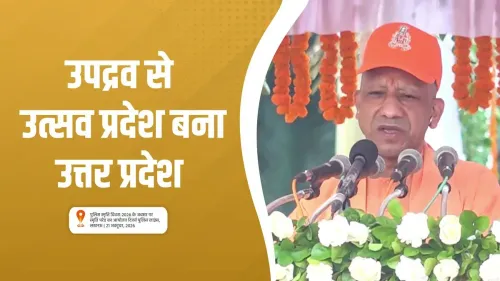
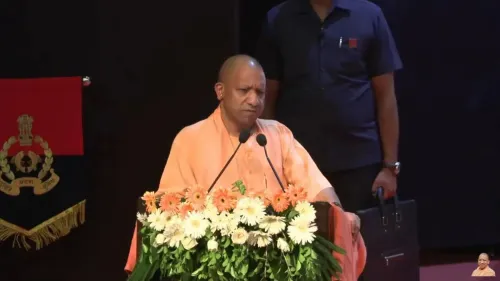
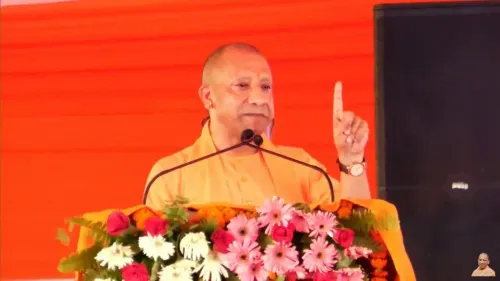
CM Yogi Adityanath posted a video on 4 November 2026 attacking the Samajwadi Party's law-and-order record across its four UP government tenures.
He claimed ' more than 1,500 riots ' occurred during SP's combined years in power — a figure that remains unverified in public records.
The Samajwadi Party governed UP in 1989–91, 1993–95, 2002–07 , and 2012–17 ; the last term is most associated with the deadly 2013 Muzaffarnagar riots .
Adityanath has made law and order the central pillar of his brand since taking over as Chief Minister in March 2017 .
The post signals an early intensification of BJP's campaign narrative ahead of the 2027 Uttar Pradesh assembly elections .
SP leader Akhilesh Yadav is expected to counter with the BJP's own record on high-profile law-and-order controversies during the Adityanath era.
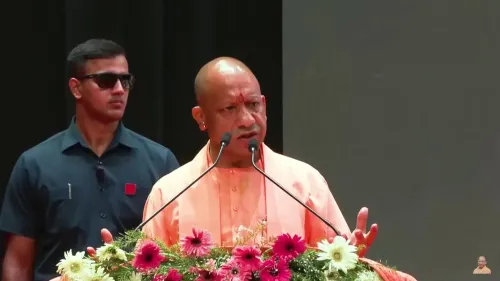
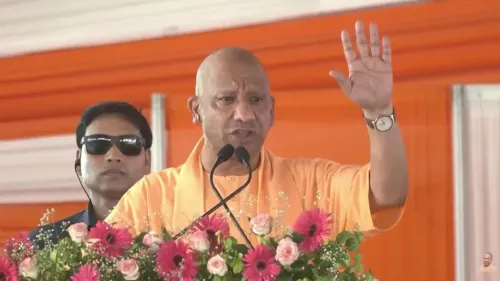
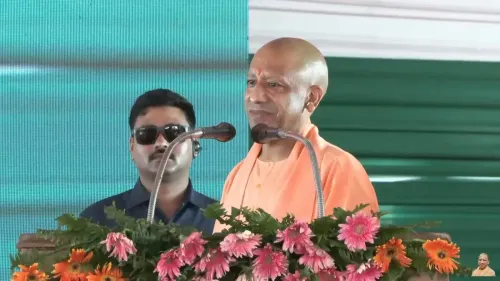
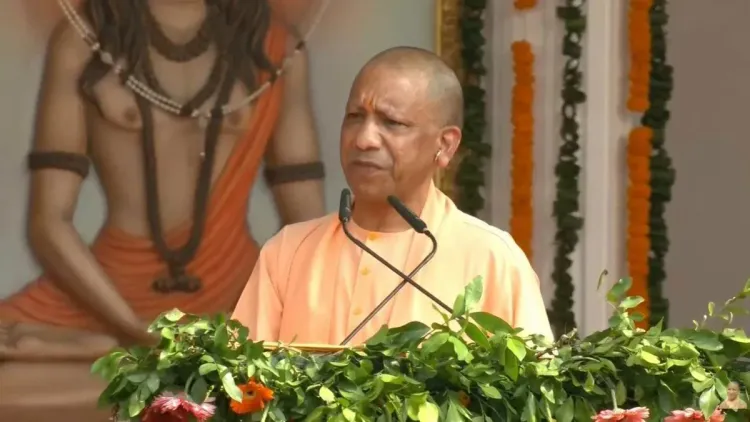
With Uttar Pradesh's 2027 assembly elections edging into view, Chief Minister Yogi Adityanath has gone on the offensive — invoking the state's pre-2017 past to draw the starkest possible contrast with his own eight-year tenure. In a video post on Wednesday, 4 November 2026, Adityanath asked pointedly: what was Uttar Pradesh before 2017?
His answer was blunt. 'इससे पहले चार बार समाजवादी पार्टी सरकार बना चुकी थी और चार-बार की इनकी सरकार में 1,500 से अधिक दंगे हुए...' ('Before this, the Samajwadi Party had formed the government four times, and across those four terms, more than 1,500 riots took place...') The claim is a sharp political salvo aimed squarely at the Samajwadi Party (SP) and its leader Akhilesh Yadav.The four SP terms in Uttar Pradesh — and what 2013 came to symbolise
The Samajwadi Party governed Uttar Pradesh in 1989–91, 1993–95, 2002–07, and most recently 2012–17 under Akhilesh Yadav. It is that final term that became the most politically loaded. The 2013 Muzaffarnagar riots — which killed more than 60 people and displaced tens of thousands — became a defining wound, drawing sustained criticism of the SP administration's law-and-order response and cementing a narrative that the BJP has weaponised ever since.
Adityanath's figure of 'more than 1,500 riots' across all four SP tenures is the kind of cumulative, sweeping claim that is difficult to verify against official state records, and the research background flags it as unverified. What is not in dispute is that communal violence — its causes, its management, and its political aftermath — has been the central fault line in UP's BJP-versus-SP contest for decades.
How 2017 became Yogi Adityanath's founding myth
When Adityanath took charge in March 2017 after the BJP's landslide victory, law and order became the cornerstone of his brand. His government introduced anti-romeo squads, took stringent action on cow slaughter, and styled a broader crackdown on organised crime as proof of a new era. The phrase 'UP mein jungle raj khatam' — 'the jungle raj is over in UP' — became a campaign shorthand that his party has repeated at every subsequent election cycle.
Now, with less than a year to go before the state votes again, Adityanath is returning to the same well: frame the election as a binary choice between the disorder of the SP years and the order of his own tenure. The post's rhetorical device — opening with a question — is deliberate, designed to prime the audience before delivering the indictment.
SP's likely counter and the battle ahead
The Samajwadi Party has consistently disputed the BJP's characterisation of its governance record and is expected to respond with its own data on economic development, employment, and farmer welfare under the Akhilesh Yadav government. Yadav has also pointed to incidents under the Adityanath administration — including the 2020 Hathras case and other high-profile law-and-order controversies — as evidence that the BJP's self-portrait is selective.
The exchange is a preview of the narrative war that will dominate UP politics through 2027. The party that successfully owns the law-and-order story — either defending a record or prosecuting one — typically carries the state. That dynamic made UP's politics in 2017 and 2022, and it looks set to shape 2027 too.
The question now is whether eight years is enough distance to still run on 2013 — or whether voters in India's most populous state have a newer set of grievances to settle.
Point of View
He forces SP onto the defensive on terrain that has historically favoured the BJP in UP. The timing, more than a year before the 2027 polls, suggests the party intends to build this narrative gradually rather than deploy it only in the campaign sprint. Whether this strategy holds depends on whether UP voters prioritise historical law-and-order comparisons over current economic and employment concerns — a bet the BJP has placed twice before, with success both times.
NationPress
4 Nov 2026
Frequently Asked Questions
What did CM Yogi Adityanath say about the Samajwadi Party?
CM Yogi Adityanath claimed that the Samajwadi Party, which formed the UP government four times before 2017, presided over more than 1,500 riots across those combined tenures. He made the statement in a video posted on 4 November 2026 as part of an attack on SP's law-and-order record.
How many times has the Samajwadi Party governed Uttar Pradesh?
The Samajwadi Party has governed Uttar Pradesh four times: 1989–91, 1993–95, 2002–07, and 2012–17. The 2012–17 term under Akhilesh Yadav is the most recent and drew the most intense criticism, particularly over the 2013 Muzaffarnagar riots.
What were the 2013 Muzaffarnagar riots?
The 2013 Muzaffarnagar riots were a series of communal clashes in western Uttar Pradesh that killed more than 60 people and displaced tens of thousands. They occurred during the Akhilesh Yadav-led SP government and became a major political liability for the party in subsequent elections.
When are the next Uttar Pradesh assembly elections?
The next Uttar Pradesh assembly elections are due in 2027. With the BJP and Samajwadi Party already trading attacks on governance records in late 2026, political campaigns are ramping up well ahead of the voting schedule.
Is Yogi Adityanath's claim of 1,500 riots during SP rule verified?
The specific figure of 'more than 1,500 riots' across the four SP government terms has not been independently verified from official public records. It is a claim made by CM Yogi Adityanath in a political address and should be treated as a contested political assertion.