Vikram Bhatt on CBFC evolution: Audience maturity drives filmmaking freedom
Synopsis
Veteran director Vikram Bhatt argues it is not the CBFC but the Indian audience that truly decides what films get made — and that a more mature, accepting public has quietly unlocked creative freedoms that would have been unthinkable in the 70s and 80s. His remarks, made during promotions of 'Haunted 3D', offer a rare insider account of how liberalisation-era India reshaped both cinema and its gatekeepers.
Key Takeaways
Director Vikram Bhatt says the CBFC has grown 'more and more mature and lenient' since the early 2000s .
He attributes the shift to India's Economic Liberalisation , the dot-com era, and rising foreign cultural influence.
Bhatt cited his own film 'Kasoor' (2001) as content that would likely have been blocked in the 1970s or 1980s .
He argues the audience — not regulators — is the true gatekeeper of what stories get told on screen. 'Haunted 3D' , starring Mimoh Chakraborty and others, is currently playing in cinemas with an upgraded 3D experience.
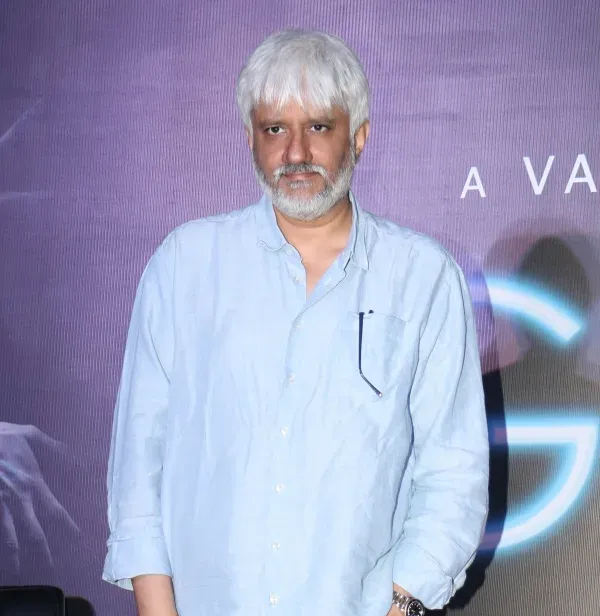
Director Vikram Bhatt, currently riding a wave of positive reception for his latest release 'Haunted 3D', has offered a candid take on how the Central Board of Film Certification (CBFC) has evolved over the decades — crediting a more discerning Indian audience as the primary force behind the board's growing leniency.
How the Early 2000s Changed the Equation
Bhatt traced the shift back to the early aughts, pointing to a confluence of global and domestic forces that reshaped India's cultural landscape. The burst of the dot-com bubble, the deepening of India's Economic Liberalisation policy, and an accelerating influx of foreign influence collectively altered societal sensibilities — and, by extension, what audiences were willing to accept on screen.
'The bodies like the CBFC and the government were becoming more and more mature and lenient. And they were, as far as the film was considered adult, they were more and more agreeable for you to make different films, try different films,' Bhatt said during promotions of 'Haunted 3D' in Mumbai.
Why 'Kasoor' Would Have Struggled in an Earlier Era
Bhatt cited his own film 'Kasoor' as a case study in how far the certification climate has come. 'I don't think a film like 'Kasoor' would have passed in the 70s, 80s. I think it would have definitely hit a roadblock. The heroine is being seduced by the villain and she's sleeping with him and then is blaming herself,' he noted.
The remark underscores a broader point: that content which once risked outright rejection can now reach audiences because societal attitudes toward complex, morally ambiguous narratives have matured. Notably, 'Kasoor' — released in 2001 — was itself a product of that transitional era.
The Audience as Gatekeeper
For Bhatt, the real certification authority is not a government body but the viewing public itself. 'The audiences had matured to a point where they wouldn't call her names for sleeping with a man who had been accused of killing his wife. So I think the audience actually decides what film you make. And the more mature and accepting an audience gets, the happier the filmmaker is,' he said.
This perspective reflects a filmmaker who has long operated at the intersection of mainstream commercial cinema and genre storytelling — and who sees audience appetite as the most reliable barometer of what stories can be told.
About Haunted 3D
'Haunted 3D' features Mimoh Chakraborty, Chetna Pande, Shruti Prakash, Gaurav Bajpai, Praneet Bhatt, and Hemant Pandey. The film promises an upgraded 3D experience using the latest technology to heighten every scare, positioning itself as a more immersive horror offering. It is currently running in cinemas nationwide.
As Indian genre cinema continues to expand its ambitions, Bhatt's remarks add a veteran's perspective to an ongoing conversation about creative freedom, certification norms, and who ultimately shapes what gets made in Bollywood.
Point of View
He subtly argues that regulatory liberalisation is a lagging indicator, not a leading one. The CBFC did not free Indian cinema — Indian audiences did, and the board eventually followed. That inversion matters for the ongoing debate around OTT content regulation, where the CBFC's writ is still contested. If audiences are already ahead of regulators on streaming, the next certification battle may already be lost by the government before it begins.
NationPress
18 Sept 2026
Frequently Asked Questions
What did Vikram Bhatt say about the CBFC?
Vikram Bhatt said the CBFC has become 'more and more mature and lenient' since the early 2000s, driven largely by a more accepting Indian audience. He credited the convergence of economic liberalisation and global cultural influence for shifting both societal and regulatory attitudes toward cinema.
Why did Vikram Bhatt mention 'Kasoor' in the context of CBFC?
Bhatt used 'Kasoor' (2001) as an example of a film that would likely have been blocked by the CBFC in the 1970s or 1980s due to its depiction of a heroine in a morally complex sexual situation. He argued such content became certifiable only because audience sensibilities had evolved sufficiently to receive it without moral outrage.
Who stars in Vikram Bhatt's 'Haunted 3D'?
'Haunted 3D' features Mimoh Chakraborty, Chetna Pande, Shruti Prakash, Gaurav Bajpai, Praneet Bhatt, and Hemant Pandey. The film is currently running in cinemas and uses the latest 3D technology to deliver a more immersive horror experience.
What broader point is Vikram Bhatt making about filmmaking in India?
Bhatt argues that audiences — not certification boards — are the true arbiters of what films get made. He believes the more mature and accepting an audience becomes, the greater the creative freedom available to filmmakers, effectively making public taste the primary driver of cinema's evolution.