Centre forms high-level committee on Banking for Viksit Bharat 2047

Synopsis
The Centre has formally constituted a high-level panel to reimagine Indian banking for 2047 — covering everything from global competitiveness and AI adoption to capital access and financial inclusion. Chaired by former CVC Suresh N. Patel, the committee's sweeping mandate could reshape regulations for banks, RRBs, cooperatives, NBFCs and DFIs alike.
Key Takeaways
The Centre constituted the Banking for Viksit Bharat high-level committee on 30 October 2026 via a Finance Ministry statement.
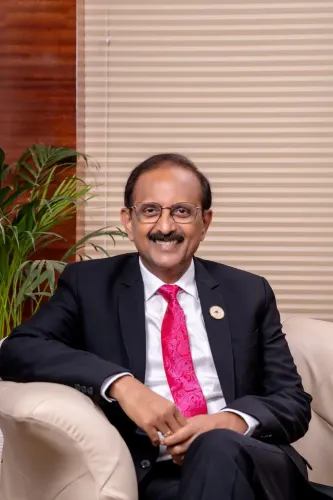
The committee is chaired by former Central Vigilance Commissioner Suresh N.
Patel and includes RBI Deputy Governor Shirish Chandra Murmu and former RBI Deputy Governor N S Vishwanathan .
It will review structural, regulatory, and legislative reforms for banks, Regional Rural Banks, Cooperative Banks, DFIs, and NBFCs .
The panel will prepare a roadmap for AI and digital innovation in banking, with cyber risk safeguards.
It will also review the priority sector lending framework and Lead Bank Scheme for inclusivity and effectiveness.
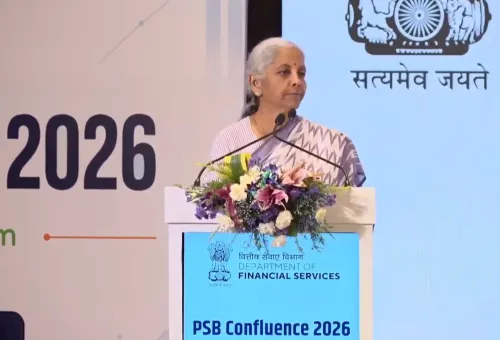
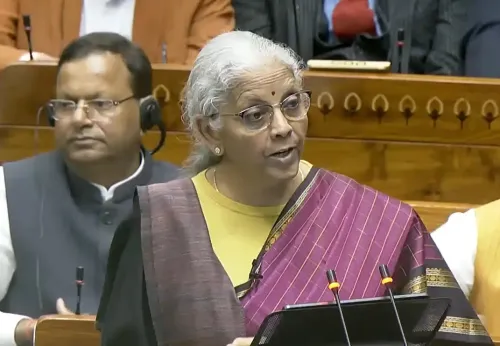
Finance Minister Nirmala Sitharaman had announced the committee's formation during the Union Budget 2026-27 presentation.
The Centre on 30 October 2026 constituted a high-level committee on Banking for Viksit Bharat to review India's banking sector and recommend structural, institutional, regulatory, and legislative reforms aimed at making it globally competitive, financially inclusive, and resilient ahead of Viksit Bharat 2047, according to a Finance Ministry statement. The move follows a commitment made by Finance Minister Nirmala Sitharaman during the presentation of the Union Budget 2026-27.
Committee Composition
The committee will be chaired by former Central Vigilance Commissioner Suresh N. Patel. Its members include Reserve Bank of India (RBI) Deputy Governor Shirish Chandra Murmu, former Indian Bank MD and CEO Padmaja Chunduru, and former RBI Deputy Governor N S Vishwanathan. The Joint Secretary, Banking, in the Department of Financial Services will serve as Member Secretary.
Key Terms of Reference
According to the Finance Ministry statement, the panel will assess current banking practices and prudential norms, identify global best practices, and adapt them for the Indian context. It will provide a roadmap for creating globally competitive banks while reviewing existing regulatory and legal frameworks — including those governing Regional Rural Banks and Cooperative Banks — and suggest reforms to improve efficiency and ease of banking.
The committee is also tasked with evaluating long-term capital requirements for banks, Development Financial Institutions (DFIs), and Non-Banking Financial Companies (NBFCs), with recommendations on funding sources to support credit growth. It will examine differences in the cost of capital for businesses and suggest policy options to stimulate private investment.
Digital Banking and Talent Roadmap
Among its broader mandates, the committee will prepare a roadmap for AI and digital innovation in banking institutions, with built-in safeguards against cyber risks. It will also recommend a strategy for talent acquisition and capacity building to ensure a future-ready banking workforce — a recognition that technological disruption is reshaping the sector faster than legacy institutions can adapt.
Financial Inclusion and Priority Lending
The panel will review the priority sector lending framework and the Lead Bank Scheme to assess their relevance, effectiveness, and coordination in delivering inclusive, balanced, and data-driven credit aligned with evolving economic priorities. This comes amid longstanding concerns that priority sector targets are met on paper but not always translated into meaningful credit access for underserved communities.
What Comes Next
The committee may also make recommendations on any other matters referred to it by the government, giving it a broad and flexible mandate. Observers will watch closely for its eventual recommendations on banking consolidation, capital adequacy norms, and the regulatory perimeter of digital lenders — areas where reform has been debated for years but incremental. Its findings are expected to feed into future budget and legislative cycles ahead of the Viksit Bharat 2047 centenary goal.
Point of View
Capital markets, AI, talent, and financial inclusion simultaneously — which raises the question of whether it will produce actionable reforms or an unwieldy omnibus report. India's banking sector has seen several high-level reviews over the past two decades, and the gap between committee recommendations and legislative follow-through has historically been wide. The inclusion of RBI representation alongside former regulators signals an attempt at consensus-building, but the real test will be whether its recommendations on digital lending perimeters and cooperative bank oversight — two long-contested areas — are taken up by Parliament before the next election cycle. With Viksit Bharat 2047 as the framing, the government is clearly signalling ambition; delivery timelines remain undefined.
NationPress
30 Oct 2026
Frequently Asked Questions
What is the Banking for Viksit Bharat committee?
It is a high-level government panel constituted by the Centre on 30 October 2026 to review India's banking sector and recommend structural, regulatory, institutional, and legislative reforms. Its goal is to make Indian banking globally competitive, financially inclusive, and resilient by 2047.
Who chairs the Banking for Viksit Bharat committee?
The committee is chaired by former Central Vigilance Commissioner Suresh N. Patel. Its other members include RBI Deputy Governor Shirish Chandra Murmu, former Indian Bank MD and CEO Padmaja Chunduru, and former RBI Deputy Governor N S Vishwanathan.
Why was this committee formed?
Finance Minister Nirmala Sitharaman announced the committee's formation during the Union Budget 2026-27 presentation, as part of a broader plan to align India's banking architecture with the Viksit Bharat 2047 development vision. The committee will address gaps in regulation, capital access, digital innovation, and financial inclusion.
Which types of banking institutions does the committee cover?
The committee's mandate covers commercial banks, Regional Rural Banks, Cooperative Banks, Development Financial Institutions (DFIs), and Non-Banking Financial Companies (NBFCs) — spanning virtually the entire formal credit ecosystem.
What are the key focus areas of the committee?
The committee will focus on global competitiveness, regulatory and legal reform, long-term capital planning, AI and digital innovation with cyber safeguards, talent strategy, and a review of the priority sector lending framework and Lead Bank Scheme for inclusive credit delivery.