Vikram Bhatt calls India's global neutrality a 'sign of mature democracy'
Synopsis
Filmmaker Vikram Bhatt, promoting 'Haunted 3D', stepped into geopolitics to defend India's stance of strategic neutrality — calling it an act of courage and a rare marker of democratic maturity. His remarks spotlight a broader national debate about whether India's multi-alignment model is principled pragmatism or a tightrope that gets harder to walk as global conflicts intensify.
Key Takeaways
Filmmaker Vikram Bhatt praised India's neutrality in global conflicts during promotions for 'Haunted 3D' in Mumbai .
Bhatt called neutrality 'a very rare sign of a mature democracy that doesn't feel the need for alignment for survival.' India helped found the Non-Aligned Movement (NAM) in 1961 , shaped by leaders including Jawaharlal Nehru .
Following economic liberalisation in the 1990s , India shifted from non-alignment to strategic autonomy and multi-alignment.
Critics have historically argued that non-alignment became idealistic during crises such as the 1962 war with China .
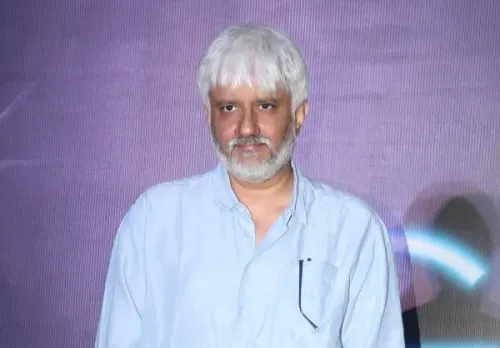
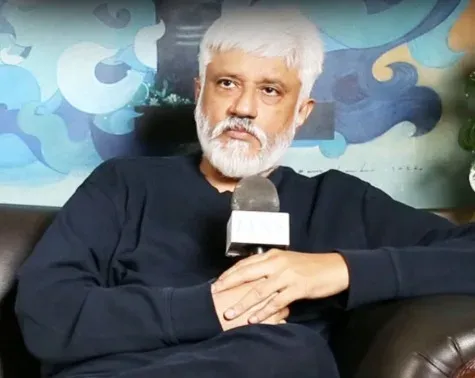
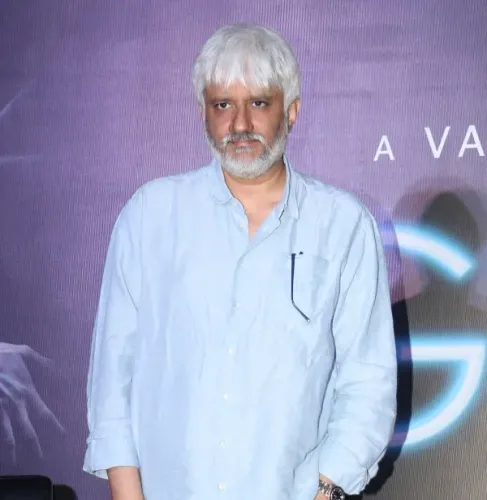
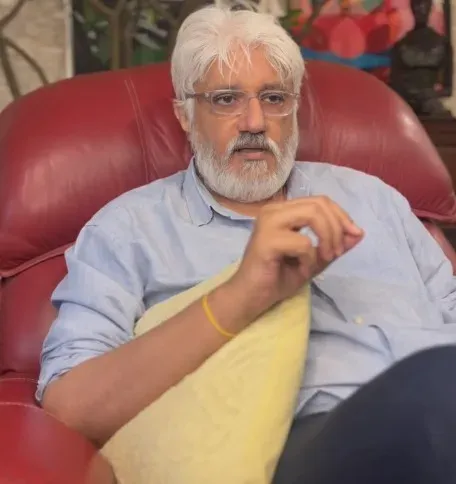
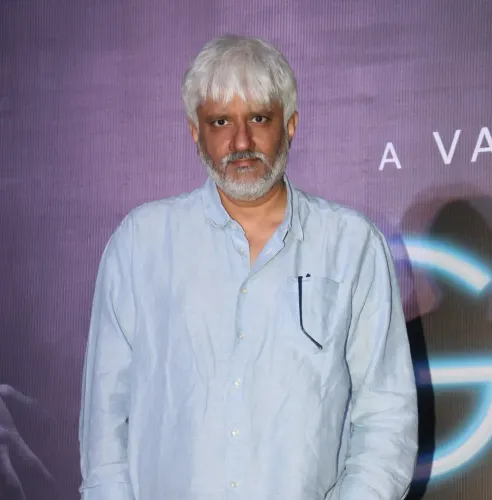
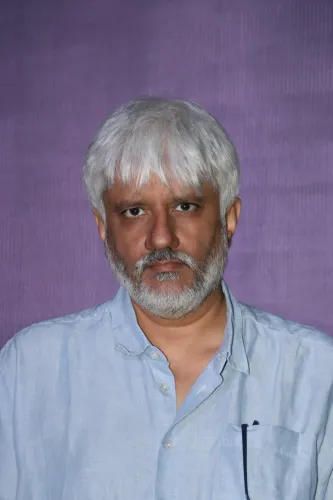
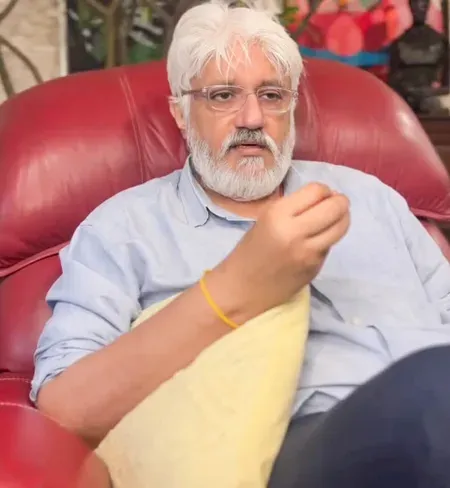
Filmmaker Vikram Bhatt has praised India's foreign policy stance of strategic neutrality amid escalating global conflicts, calling it a mark of democratic maturity. The director, currently promoting his latest release 'Haunted 3D', made the remarks during a media interaction in Mumbai.
What Bhatt Said
Bhatt argued that maintaining neutrality in a polarised world demands considerable political will. 'When most of the countries have chosen one side or the other, our government has been able to stay neutral. And I think neutrality takes a lot of courage because there is never pressure from the person who is on the weaker side. But there is always a lot of pressure from the bigger power to take their line of understanding of communication. Our government has not done that,' he said.
He further noted that India's approach has been consistent in its moral reasoning. 'We haven't told anyone, 'You are wrong or he is right'. We have condemned wrongdoings regardless of the country and we have appreciated the right ones regardless of the country. And I think that's a very rare sign of a mature democracy that doesn't feel the need for alignment for survival,' Bhatt added.
India's Historical Stance on Non-Alignment
India's tradition of non-alignment dates to the Cold War, when the country — under Jawaharlal Nehru and other leaders — helped establish the Non-Aligned Movement (NAM), formally constituted in 1961. The policy was rooted in India's anti-colonial outlook, its emphasis on peace, and a focus on domestic development.
Critics, however, have argued that the approach occasionally veered into idealism — most notably during the 1962 war with China, when non-alignment offered little strategic cover.
From Non-Alignment to Strategic Autonomy
India's foreign policy underwent a significant shift following economic liberalisation in the 1990s. As the country integrated more deeply into the global economy, the rigid non-alignment framework gave way to what is now described as multi-alignment or strategic autonomy — a model built on issue-based partnerships with major powers including the United States and Russia, rather than blanket ideological solidarity.
This evolution allows India to engage selectively on global flashpoints without formally committing to any single bloc — a posture that Bhatt's remarks appear to endorse.
Why the Comment Matters
Bhatt's observations come at a time when India faces sustained diplomatic pressure from multiple directions as conflicts in Eastern Europe and the Middle East deepen geopolitical fault lines. His framing of neutrality as courage — rather than passivity — reflects a view that is increasingly common in Indian public discourse, even if it remains contested in foreign policy circles.
As global alignments continue to shift, India's ability to sustain strategic autonomy without economic or diplomatic cost will remain a defining test of its foreign policy ambitions.
Point of View
But Bhatt's framing captures something real: India's strategic autonomy is increasingly a source of domestic pride, even as its costs and limits go under-examined. The shift from non-alignment to multi-alignment was driven by economic necessity in the 1990s, not a philosophical breakthrough — and India's ability to stay genuinely neutral shrinks as its trade and security dependencies deepen with both Washington and Moscow. The harder question, which Bhatt's remarks sidestep, is whether 'condemning wrongdoings regardless of country' holds up under scrutiny when India's voting record at the UN is tested against that standard.
NationPress
22 Sept 2026
Frequently Asked Questions
What did Vikram Bhatt say about India's foreign policy?
Bhatt said India has shown 'a lot of courage' by staying neutral when most countries have chosen sides in global conflicts. He described this as 'a very rare sign of a mature democracy that doesn't feel the need for alignment for survival.'
What is India's current foreign policy approach?
India currently follows a model of strategic autonomy or multi-alignment, engaging in issue-based partnerships with major powers like the United States and Russia rather than committing to any single bloc. This replaced the earlier non-alignment framework after economic liberalisation in the 1990s.
What was the Non-Aligned Movement and when was it formed?
The Non-Aligned Movement (NAM) was a grouping of countries that chose not to align with either the US-led Western bloc or the Soviet-led Eastern bloc during the Cold War. It was formally established in 1961, with India's Jawaharlal Nehru among its founding architects.
Has India's non-alignment policy faced criticism?
Yes. Critics have argued the policy became idealistic at times, particularly during the 1962 war with China, when India's neutralist stance offered little strategic protection. The shift toward multi-alignment in the 1990s was partly a response to those limitations.
Why did Vikram Bhatt comment on India's foreign policy?
Bhatt made the remarks during media interactions while promoting his film 'Haunted 3D' in Mumbai. The comments were unsolicited in a political sense but reflect a wider public conversation in India about the country's role amid rising global tensions.