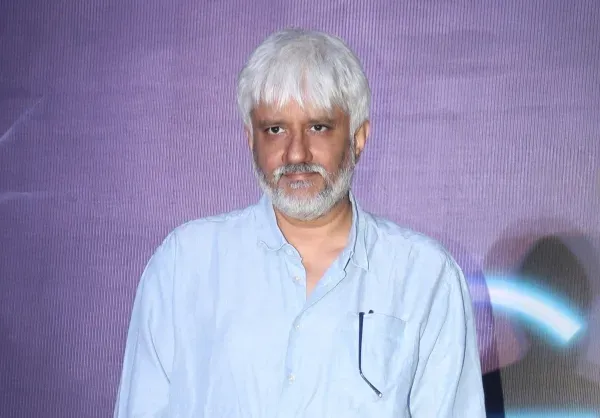
Vikram Bhatt on CBFC and filmmaking: 'We should be India, not another country'
Synopsis
Veteran filmmaker Vikram Bhatt argues that India's film certification norms are more permissive than ever — but says the real test now lies in self-censorship. His remarks, made during 'Haunted 3D' promotions, cut to the heart of an ongoing debate: how much creative freedom should filmmakers claim, and how much should they voluntarily hold back?
Key Takeaways
Vikram Bhatt said filmmakers must respect the cultural framework of the country in which they operate.
He described the Central Board of Film Certification (CBFC) as 'largely liberal,' noting that blood, gore, and select language are now routinely permitted.
Bhatt called for self-censorship as the primary check on creative content, beyond what the CBFC mandates.
He said filmmakers are free to make almost any film in India, except those designed to incite political unrest .
The remarks were made during promotions of 'Haunted 3D' , starring Mimoh Chakraborty and others, currently in cinemas.
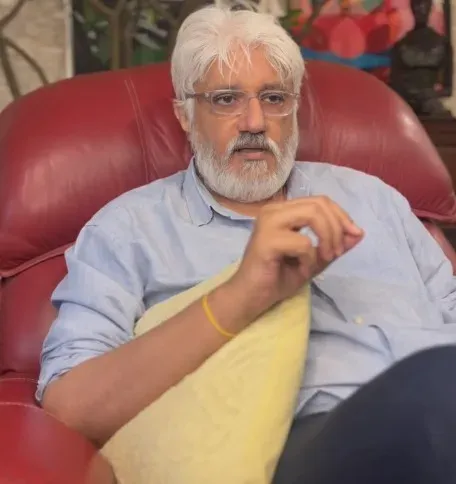
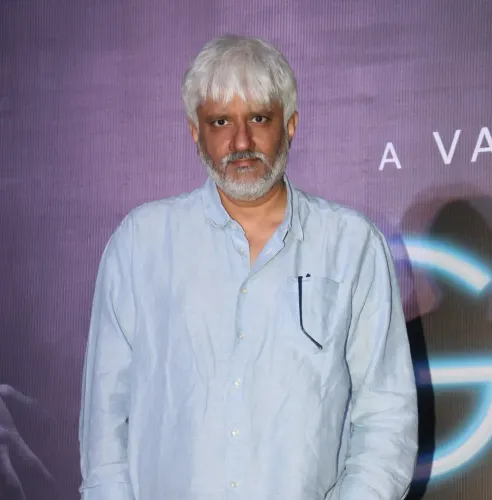
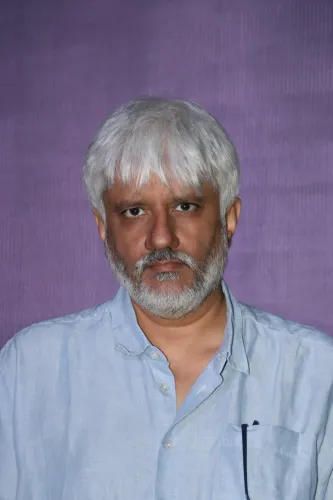
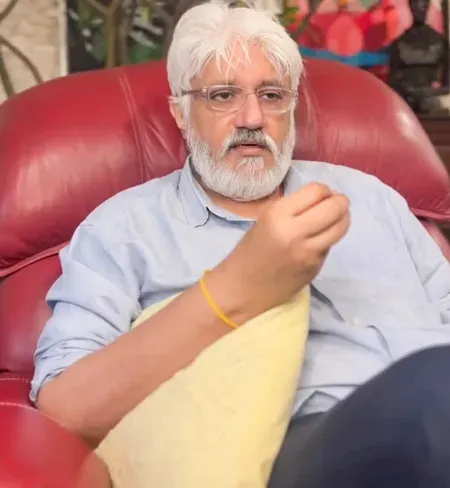
Filmmaker Vikram Bhatt has said that directors must respect the cultural framework and belief systems of the country in which they work, adding that India's certification norms are far more liberal today than they once were. Bhatt made the remarks during promotions of his recently released horror film 'Haunted 3D' in Mumbai.
What Vikram Bhatt Said
Speaking on creative boundaries in Indian cinema, Bhatt was candid about the role of the Central Board of Film Certification (CBFC). He noted that the board has evolved considerably and now allows filmmakers significant latitude — from language to depictions of violence.
'You are allowed some cuss words, you are not allowed some cuss words. Some kind of nudity is acceptable. Some kind of nudity is not acceptable. And that has not changed. And that's fair. I mean, every country has its own culture, its own beliefs. And we should keep them. We shouldn't have to be another country. We should be India. And if India has certain principles of public entertainment, then we should maintain them. They are not stringent anymore. You have lots more liberty to do what you want. They are allowing films with so much blood and gore. So much violence is being allowed,' Bhatt said.
On Self-Censorship
Bhatt also touched on the concept of self-censorship — the internal check that filmmakers exercise beyond what the CBFC mandates. He suggested that as institutional restrictions have eased, the onus has shifted to individual creators to draw their own lines.
'So then I think comes a sense of self-censorship. How much can I push this? What can I show? And that perhaps is where we are now. So, I mean, except for films that are of a political nature and are made to incite a kind of political unrest, you are pretty much okay to make any film in this country,' he said.
About Haunted 3D
The film in whose promotions Bhatt shared these views stars Mimoh Chakraborty, Chetna Pande, Shruti Prakash, Gaurav Bajpai, Praneet Bhatt, and Hemant Pandey. 'Haunted 3D' promises an upgraded three-dimensional experience using the latest technology to heighten its horror elements, making scares more immersive for cinema audiences. The film is currently running in theatres across India.
The Broader Context
Bhatt's remarks come at a time when debates around creative freedom, censorship, and cultural sensitivity in Indian cinema remain active. Several films in recent years have faced protests or certification hurdles over perceived violations of cultural or religious sentiments. Bhatt's position — that filmmakers should voluntarily align with the country's cultural values rather than push against them — represents a notable perspective from within the industry, particularly given his long career in mainstream Hindi cinema.
Point of View
But as a professional responsibility — a distinction the industry rarely makes so plainly. Yet the argument cuts both ways. If the CBFC has genuinely liberalised, the pressure to self-censor is, in effect, a soft form of pre-compliance — filmmakers internalising limits that no official body has formally imposed. The carve-out he mentions for 'politically inciting' films is also worth scrutiny: that category has historically been applied unevenly, and its vagueness can serve as a chilling signal to creators working on sensitive subjects. Bhatt's own commercial genre — horror — is largely insulated from such pressures, which may explain the relative comfort with which he endorses the current equilibrium.
NationPress
28 Sept 2026
Frequently Asked Questions
What did Vikram Bhatt say about the CBFC?
Vikram Bhatt said the Central Board of Film Certification (CBFC) is largely liberal in granting certificates, allowing filmmakers significant freedom including depictions of violence, gore, and select language. He noted these norms have become less stringent over time.
What is Vikram Bhatt's view on self-censorship in Indian cinema?
Bhatt argued that as institutional restrictions have eased, the responsibility has shifted to filmmakers themselves to decide how far to push creative boundaries. He described this internal check as 'self-censorship' and said it is where Indian cinema now stands.
Why does Vikram Bhatt say filmmakers should respect India's cultural framework?
Bhatt believes every country has its own culture and belief system, and filmmakers working within that country should be mindful of those values. He said India should not try to replicate another country's entertainment standards but maintain its own principles of public entertainment.
What is 'Haunted 3D' and who stars in it?
'Haunted 3D' is a horror film directed by Vikram Bhatt, currently running in cinemas. It stars Mimoh Chakraborty, Chetna Pande, Shruti Prakash, Gaurav Bajpai, Praneet Bhatt, and Hemant Pandey, and uses the latest 3D technology to create a more immersive horror experience.
What kind of films did Vikram Bhatt say could still face restrictions in India?
Bhatt said filmmakers are largely free to make any film in India, with one notable exception: films of a political nature that are made to incite political unrest. He indicated that outside this category, creative freedom is broadly available.