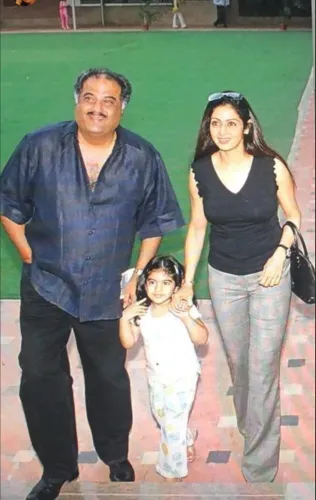
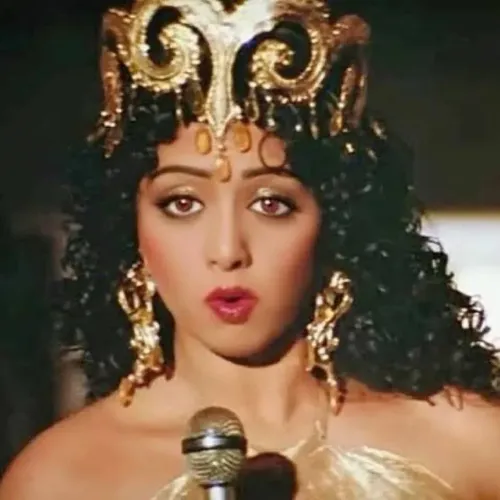
Boney Kapoor reveals how he raised Sridevi's fee from ₹10 lakh to ₹25 lakh

Synopsis
Boney Kapoor's revelation on The Kapil Sharma Show is a masterclass in negotiation: he paid Sridevi above her asking rate each time, then locked in a higher fee for her next film before anyone else could set the market price. The strategy took her from ₹10 lakh to ₹25 lakh across just a handful of films — and Yash Chopra was an unwitting part of the plan.
Key Takeaways
Boney Kapoor revealed on The Kapil Sharma Show how he raised Sridevi's per-film fee from ₹10 lakh to ₹25 lakh .
For Mr India , Kapoor offered ₹11 lakh — above Sridevi's asking rate of ₹10 lakh — with a condition that her next film would pay ₹15 lakh .
Kapoor then spoke to Yash Chopra and got Sridevi signed for Chandni at ₹15 lakh , validating his promise.
The same formula was applied again: Kapoor offered ₹16 lakh with a condition that Khuda Gawah would pay ₹25 lakh .
Sridevi passed away in February 2018 ; Kapoor has since spoken publicly about her career and legacy.
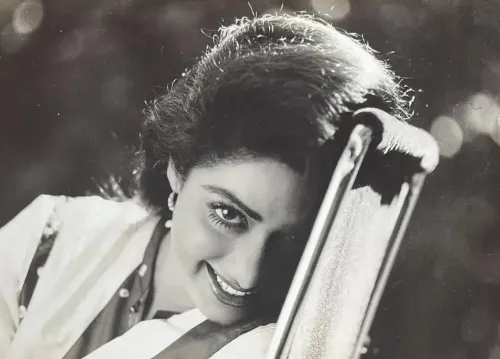
Producer Boney Kapoor has revealed the clever negotiation strategy he used to steadily raise the per-film fee of his late wife, actress Sridevi, from ₹10 lakh to ₹25 lakh — a remarkable leap that reshaped her market value in Bollywood. Kapoor shared the behind-the-scenes story during an appearance on The Kapil Sharma Show.
The Mr India Negotiation
Kapoor recalled travelling to Chennai to meet Sridevi's mother and negotiate her fees for Mr India. Despite the language barrier — her mother spoke neither Hindi nor English — the two managed to communicate through gestures. When her mother quoted ₹10 lakh, Kapoor deliberately countered with a higher figure.
Recounting the conversation, Kapoor said, 'She said, Pappi, price INR 10 rupees. INR 10 rupees meant INR 10 lakhs. I had done some research and inquired in the market as to how much Sridevi charged for her last film. At that time, she had signed the last film for INR 8.5 lakhs. So I thought, she signed for INR 8.5 lakhs; I'll give her 9. When she said, 10 rupees, I said, No. So she froze for 10 seconds. I said, I'll pay 11. After that, she froze for 15 seconds. She then said, The staff money is separate, INR 30,000 rupees. So I said, No, I'll pay 50,000. So, I gave her 11 lakhs.'
The Chandni Clause
Kapoor's real gambit, however, was a forward-looking condition he attached to each deal. For Mr India, he agreed to pay ₹11 lakh on the condition that Sridevi's next film would command ₹15 lakh. When her mother expressed scepticism about who would pay that amount, Kapoor stepped in proactively — he spoke to filmmaker Yash Chopra and ensured Sridevi was signed for Chandni at exactly ₹15 lakh.
This approach effectively used each film as a stepping stone, locking in the next fee before the current project had even released.
The ₹25 Lakh Milestone
Kapoor applied the same formula a second time. When Sridevi's mother offered a discounted rate of ₹14 lakh for Kapoor's next production, he countered by offering ₹16 lakh — with a condition that the film after that would pay ₹25 lakh. Her mother reportedly asked who would pay such a figure. The answer came in the form of Khuda Gawah, in which Sridevi was paid the agreed ₹25 lakh.
Why the Story Still Resonates
The anecdote offers a rare glimpse into Bollywood's pre-liberalisation pay structures, when even top-tier female stars commanded fees far below their male counterparts. Sridevi, widely regarded as one of India's greatest actresses, was at the peak of her commercial drawing power during this period. The fact that a producer — who later became her husband — was instrumental in raising her market rate adds a layered personal and professional dimension to the story. Sridevi passed away in February 2018, and Kapoor has spoken about her legacy on several public occasions since.
Point of View
But it also quietly underscores how female stars in 1980s Bollywood depended on third-party advocates — producers, families, intermediaries — to extract fair market value. Sridevi was arguably the biggest draw of her era, yet her fees lagged behind what the market would have paid had she had direct, informed representation. Kapoor's strategy was savvy, but the fact that a producer had to engineer a market correction for one of Hindi cinema's greatest stars says as much about the industry's structural gaps as it does about his negotiating skill. The anecdote deserves to be read in that dual light.
NationPress
20 Sept 2026
Frequently Asked Questions
How did Boney Kapoor raise Sridevi's per-film fee?
Boney Kapoor raised Sridevi's fee by consistently offering more than her asking rate and attaching a condition that her next film would command an even higher amount. Using this method, he took her fee from ₹10 lakh to ₹25 lakh across films including Mr India, Chandni, and Khuda Gawah.
How much was Sridevi paid for Mr India?
Sridevi was paid ₹11 lakh for Mr India — more than the ₹10 lakh her mother had quoted. Boney Kapoor revealed he had researched that her previous film had been signed for ₹8.5 lakh and deliberately offered above her asking price.
What role did Yash Chopra play in Sridevi's fee increase?
Boney Kapoor approached filmmaker Yash Chopra and arranged for Sridevi to be signed for Chandni at ₹15 lakh, fulfilling a condition he had set during the Mr India negotiations. This ensured her market rate was formally established at the higher figure.
How much was Sridevi paid for Khuda Gawah?
Sridevi was paid ₹25 lakh for Khuda Gawah, as per the condition Boney Kapoor had agreed upon with her mother during an earlier fee negotiation in which he offered ₹16 lakh upfront.
When did Boney Kapoor share this story about Sridevi?
Boney Kapoor shared the story about Sridevi's fee negotiations during an appearance on The Kapil Sharma Show. He has spoken about Sridevi's career and their personal relationship on multiple public platforms since her passing in February 2018.