Major Drug Bust in Delhi: 104 Medicine Varieties Seized in Shahdara Raid
Synopsis
Delhi's Drugs Control Department busted an illegal medicine racket in Shahdara's Rashid Market, seizing 104 drug varieties and 23 expired medicines from a premises whose licence was cancelled in September 2024 — yet continued operating for months, exposing a critical gap in post-cancellation enforcement.
Key Takeaways
104 varieties of drugs and 23 expired medicine items were seized during a raid at Rashid Market, Village Khureji, Shahdara, East Delhi on Monday, April 21, 2025 .
The premises had its drug licence cancelled in September 2024 but continued to operate illegally for months before the raid.
A decoy customer operation confirmed medicines were being sold without prescriptions and without issuing cash memos — clear violations of pharmaceutical law.
A marked currency note from the decoy purchase was recovered from the accused, providing direct evidence of illegal sales.
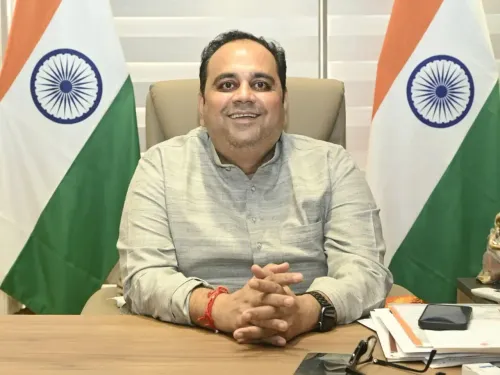
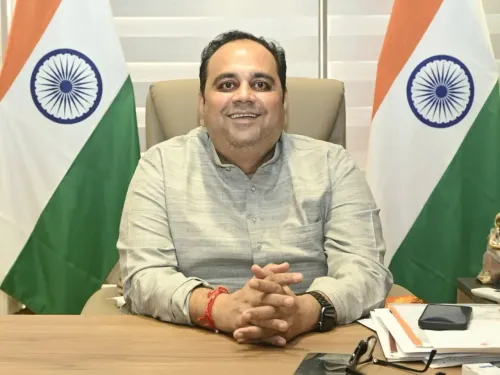
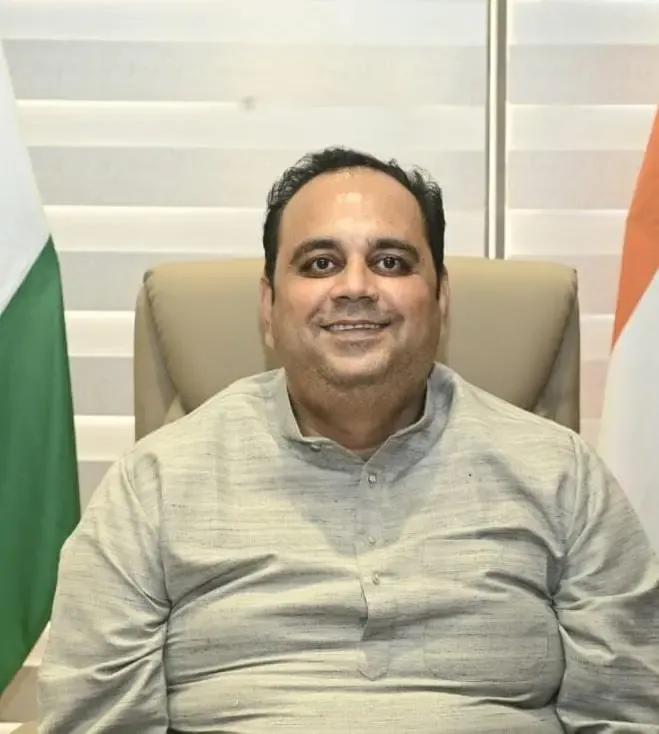
Delhi Health Minister Pankaj Kumar Singh confirmed the operation and warned of strict action against all violations of drug sale regulations.
Drug samples have been sent for quality analysis , and investigation is ongoing to trace the supply chain behind the seized medicines.
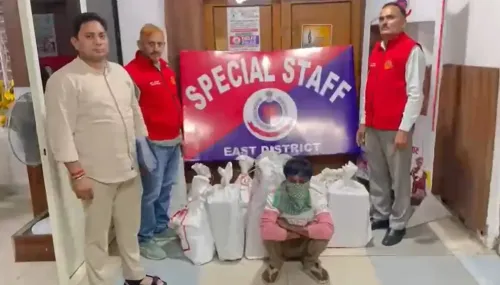
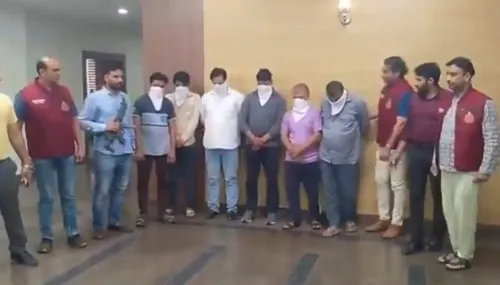
New Delhi, April 21: An illegal medicine sale racket was busted in East Delhi's Shahdara on Monday, April 21, after a team of Drug Inspectors under the Delhi Drugs Control Department raided an unlicensed premises at Rashid Market, Village Khureji. A staggering 104 varieties of drugs meant for sale and distribution were seized, along with 23 expired drug items, in what officials described as a significant enforcement action against unauthorised medicine trade in the national capital.
How the Raid Was Conducted
The operation was launched based on secret intelligence regarding the unauthorised sale of medicines without a valid licence. Drug Inspectors, working under the direct supervision of the Assistant Drugs Controller (East), deployed a decoy customer as part of the sting operation. The decoy successfully purchased multiple medicines without a prescription and without receiving a cash memo — a clear violation of pharmaceutical retail norms under Indian law.
A marked currency note used in the decoy purchase was later recovered from the accused, establishing direct evidence of illegal sale. Samples of selected drugs were also collected for quality analysis at a certified laboratory to determine whether substandard or counterfeit medicines were being circulated.
The entire search and seizure operation was conducted with full videography and documentation to preserve evidentiary integrity and ensure a legally sound prosecution.
Key Findings at the Premises
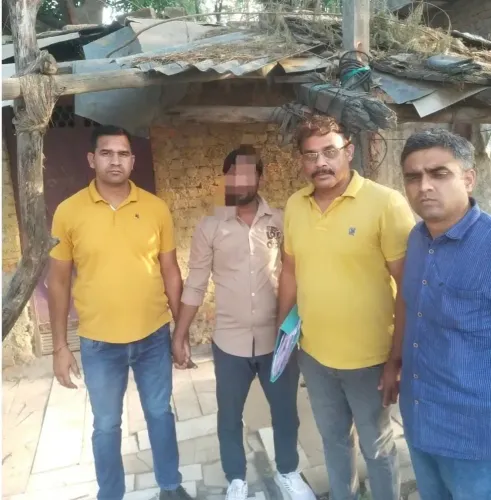
Upon inspection, one individual was found operating the premises and admitted to selling drugs unlawfully. Critically, further investigation revealed that the premises had previously held a valid drug licence, which was cancelled by the competent authority in September 2024. Despite the cancellation, the operator continued to stock and sell medicines — a brazen violation of the Drugs and Cosmetics Act, 1940.
The accused failed to produce any valid licence for the sale, stocking, or distribution of medicines at the time of the raid. Authorities are now investigating the source of the seized drugs to determine whether they were procured through illegal supply chains or diverted from legitimate pharmaceutical networks.
What Delhi Health Minister Said
Delhi Health Minister Pankaj Kumar Singh confirmed the operation on Tuesday, April 22, stating that the government remains firmly committed to safeguarding public health. "The government remains firmly committed to safeguarding public health and ensuring that medicines are sold strictly in accordance with the law," he said in an official statement.
The Minister issued a stern warning: "Any violation, especially the illegal sale or distribution of drugs, will be dealt with strict action. We urge all stakeholders to adhere to regulatory norms and citizens to remain vigilant and report any such malpractices."
Why This Bust Matters: Public Health at Stake
The sale of medicines without a valid licence poses a severe public health risk. Unlicensed pharmacies frequently stock substandard, counterfeit, or expired drugs that can cause serious harm — or even death — to unsuspecting patients. The recovery of 23 expired drug items at this single premises underscores the gravity of the problem.
This incident is not isolated. Delhi and other major Indian cities have witnessed a pattern of illegal pharmaceutical trade, particularly in densely populated urban markets. Notably, the Drugs Control Department has intensified enforcement drives across the capital in recent months, reflecting growing regulatory pressure on unlicensed medicine traders. Critics argue that the cancellation of licences must be followed by immediate physical sealing of premises to prevent continued illegal operations — a gap this case starkly exposes, given that the licence was cancelled as far back as September 2024 yet the business continued uninterrupted for months.
The broader implication is a systemic one: post-licence-cancellation monitoring remains a weak link in India's drug regulation framework, and this bust may prompt the Central Drugs Standard Control Organisation (CDSCO) and state regulators to tighten follow-up protocols nationwide.
Investigation Ongoing: What Happens Next
Authorities have confirmed that further investigation is underway to trace the supply chain behind the seized medicines and identify all parties involved in the racket. Legal proceedings under the Drugs and Cosmetics Act, 1940 are expected to follow, with the possibility of criminal charges depending on the quality analysis results of the seized samples.
If the laboratory tests confirm substandard or spurious drugs, the accused could face significantly enhanced penalties. The Delhi Drugs Control Department has reiterated its commitment to public safety and warned that similar enforcement drives will continue across the city in the coming weeks.
Point of View
Yet continued trading for months before authorities acted, raising uncomfortable questions about whether cancellation orders are ever physically enforced on the ground. As India battles a growing counterfeit medicine crisis, this case should compel both state and central regulators to mandate immediate physical sealing of premises upon licence cancellation — not just paperwork. The real test of Delhi's commitment to public health will be whether systemic reforms follow this bust, or whether it remains a one-off headline.
NationPress
27 Sept 2026
Frequently Asked Questions
What was seized in the Delhi Shahdara drug raid?
During the raid at Rashid Market, Village Khureji, Shahdara, authorities seized 104 varieties of drugs meant for sale and distribution, along with 23 expired drug items . Samples of selected drugs were also collected for quality analysis.
Why was the Shahdara pharmacy operating without a licence?
The premises had previously held a valid drug licence, which was cancelled by the competent authority in September 2024 . Despite the cancellation, the operator continued to stock and sell medicines illegally, violating the Drugs and Cosmetics Act, 1940 .
What action is being taken against the accused in the Delhi drug bust?
The accused has been caught following a decoy operation, and legal proceedings under the Drugs and Cosmetics Act, 1940 are underway. Further investigation is ongoing to trace the source of the seized drugs and identify all involved parties.
What did Delhi Health Minister Pankaj Kumar Singh say about the raid?
Delhi Health Minister Pankaj Kumar Singh confirmed the operation and stated that the government is committed to ensuring medicines are sold strictly in accordance with the law. He warned that illegal sale or distribution of drugs will be dealt with strict action.
How did Drug Inspectors confirm illegal medicine sales in Shahdara?
A decoy customer was deployed who successfully purchased multiple medicines without a prescription and without receiving a cash memo. A marked currency note used in the operation was later recovered from the accused, confirming illegal sale practices.