IANS Year Ender 2025: Will the Anti-obesity Movement and Generic Drugs Continue to Dominate in 2026?
Synopsis
As India tackles the obesity epidemic, 2025 saw a shift in healthcare priorities with a focus on redefining obesity criteria and promoting GLP-1 medications. Prime Minister Modi's initiatives and the introduction of generic drugs mark a pivotal year in public health, setting the stage for continued efforts in 2026.
Key Takeaways
Obesity guidelines in India were updated in 2025 .
GLP-1 medications saw significant market growth .
Prime Minister Modi initiated a national campaign against obesity .
Generic drugs expected to lower treatment costs .
Focus on abdominal obesity and comorbidities .
New Delhi, Dec 26 (NationPress) - The healthcare landscape in India witnessed a remarkable transformation in 2025, with obesity emerging as a crucial issue. This shift was propelled by new definitions, the introduction of GLP-1 medications, and various initiatives led by the government, notably Prime Minister Narendra Modi's urgent appeal. The focus on the anti-obesity agenda, particularly concerning generic drugs, is set to carry on into 2026.
Traditionally, obesity was defined using Body Mass Index (BMI), but in 2025, India revised its obesity guidelines for the first time in 15 years. The new threshold for obesity was lowered to 25 kg/m² from the international standard of 30 kg/m², while 'overweight' is now categorized between 23.0 and 24.9 kg/m².
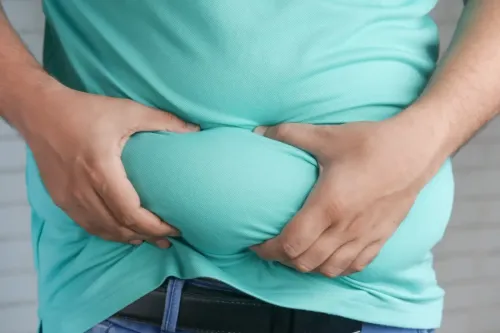
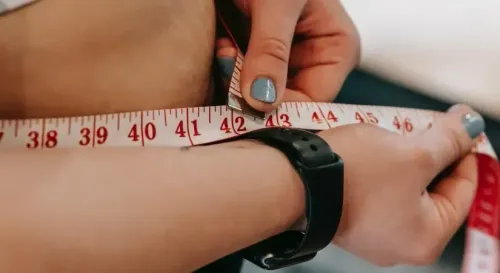
This updated framework emphasizes abdominal obesity and related comorbidities, moving the clinical focus from BMI to waist circumference and the waist-to-height ratio (W-HtR). This change aims to better identify abdominal fat, particularly among the 'thin-fat Indian' phenotype.
According to the National Family Health Survey (2019–21), approximately a quarter of both men and women in India are classified as overweight or obese. Alarmingly, childhood obesity is also on the rise, with about 5 percent of school-aged children affected.
The Prime Minister's call to action to reduce unhealthy fats and oils in the diet was pivotal in combating obesity throughout the nation, advocating a 10 percent decrease in daily oil consumption.
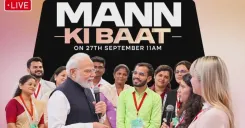
Obesity was underscored as a significant health issue during his monthly radio segment, 'Mann Ki Baat'.
This led to a nationwide campaign aimed at reducing household edible oil usage by 10 percent to tackle obesity rates effectively.
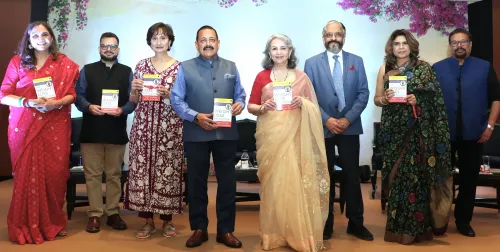
In alignment with the Fit India initiative, PM Modi also enlisted 10 influential personalities to champion the national movement against obesity, promoting awareness about healthy eating habits.
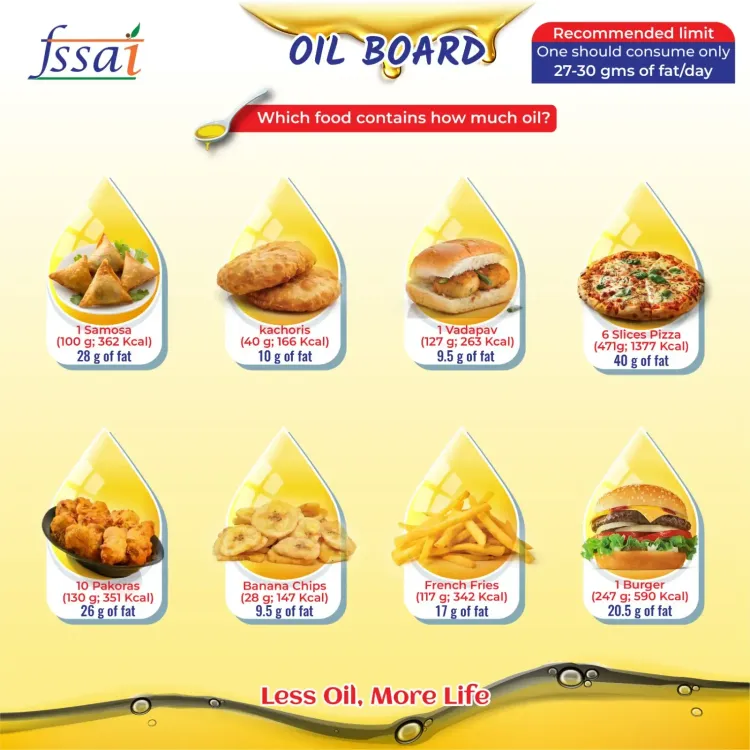
The Ministry of Health urged schools and government offices to implement sugar and oil boards, fostering healthier work environments and contributing to a healthier India.
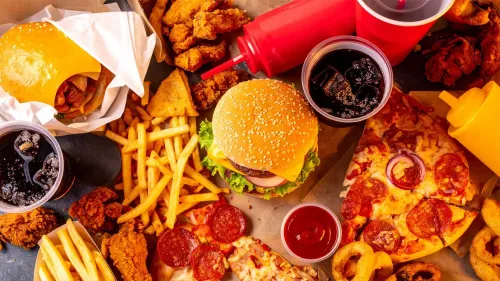
These boards feature informative posters and digital displays that highlight the detrimental effects of sugar and oil found in commonly consumed foods like samosas, kachoris, pizzas, pakoras, banana chips, burgers, soft drinks, and chocolate pastries.
The displays also educate on the impacts of these foods on health and suggest recommended intake levels of fat and sugar.
Other government-led comprehensive anti-obesity initiatives include Fit India, POSHAN Abhiyaan, and Eat Right India.
The Swasth Nari, Sashakt Parivar campaign (Sept-Oct 2025) also concentrated on women's health and family well-being, emphasizing the connection between maternal health and childhood obesity.
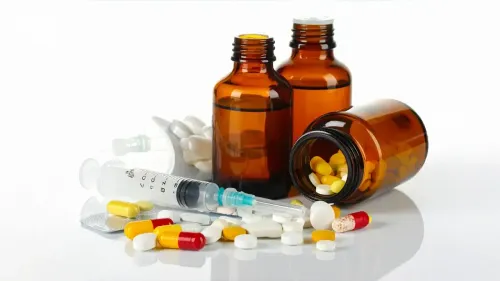
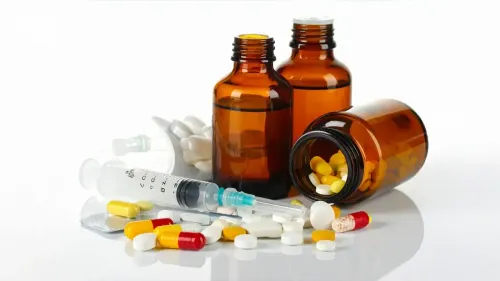
In addition, 2025 saw an increase in GLP-1 medications.
The anti-obesity market in India emerged as the fastest-growing segment, reaching ₹628 crore by mid-2025, with a staggering 46 percent CAGR.
Notable products introduced this year include Eli Lilly’s Mounjaro (Tirzepatide), Wegovy, and Ozempic (Semaglutide).
Generic drugs gained momentum, with Biocon’s Liraglutide, Emcure Pharmaceuticals’ Poviztra (Semaglutide), and Cipla’s Yurpeak (Tirzepatide) in collaboration with Eli Lilly.
As we approach early 2026, the market is poised for a radical transformation with the patent expiration of semaglutide in India set for March. Major Indian pharmaceutical companies, including Cipla, Dr. Reddy’s, Sun Pharma, and Zydus, are gearing up to launch generic versions anticipated to be 50 percent to 85 percent more affordable than the original brands.
Point of View
The emphasis on combating obesity through comprehensive initiatives and government-led campaigns showcases a commitment to public health. The shift in defining obesity and promoting awareness reflects an evolving understanding of health issues in India, aligning with global health standards.
NationPress
27 Sept 2026
Frequently Asked Questions
What changes were made to the obesity guidelines in India?
India revised its obesity guidelines in 2025, lowering the threshold for obesity to 25 kg/m², and categorizing overweight individuals between 23.0 and 24.9 kg/m².
How significant is the rise of GLP-1 medications in India?
GLP-1 medications have become a rapidly growing segment in the anti-obesity market, reaching ₹628 crore in 2025, with a remarkable 46 percent CAGR.
What initiatives did Prime Minister Modi undertake to address obesity?
Prime Minister Modi launched a national campaign to reduce household edible oil consumption by 10 percent and invited influential personalities to promote awareness about healthy eating.
What is the anticipated impact of generic drugs on the anti-obesity market?
With the patent expiration of semaglutide in early 2026, generic versions of weight-loss medications are expected to be significantly cheaper, ranging from 50 percent to 85 percent less than original brands.
What role does the Fit India initiative play in addressing obesity?
The Fit India initiative is part of a broader strategy that includes various government-led campaigns aimed at promoting healthier lifestyles and reducing obesity rates across the country.