Should You Avoid Over-the-Counter Antibiotics Without a Doctor's Consultation?

Synopsis
In a crucial health warning, Dr. M Srinivas from AIIMS highlights the dangers of self-prescribing antibiotics. With Prime Minister Modi stressing the alarming rise in antimicrobial resistance, it’s vital to seek medical advice before taking these medications. Learn about the growing public health crisis and the steps necessary to combat antibiotic misuse.
Key Takeaways
Consult a physician before taking antibiotics to ensure proper treatment.
Self-prescribing can lead to serious health risks and contribute to antibiotic resistance.
Antibiotics are ineffective against viral infections , which require antivirals.
Public awareness and regulation are essential to combat the misuse of antibiotics.
Prevention through vaccination and sanitation is crucial in reducing infectious disease burdens.
New Delhi, Dec 29 (NationPress) Dr. M Srinivas, Director of AIIMS in Delhi, cautioned against purchasing antibiotics without a physician’s approval on Monday, coinciding with Prime Minister Narendra Modi's warning against the misuse of these medications.
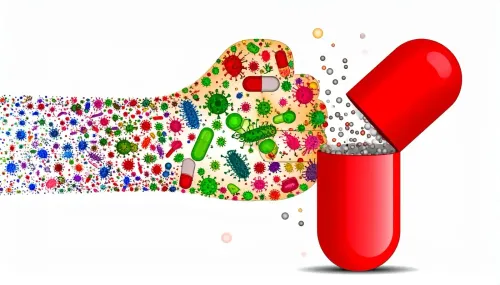
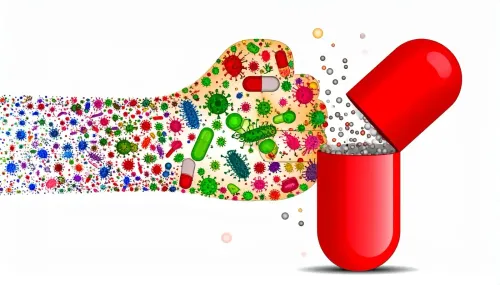
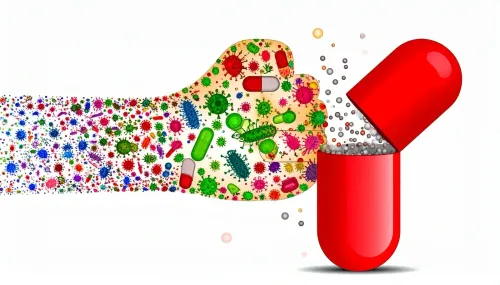
During his last 'Mann Ki Baat' of the year on Sunday, PM Modi voiced his worries regarding the “extremely concerning” levels of Antimicrobial Resistance (AMR) in the nation and advised people against the casual use of antibiotics.
The Prime Minister referenced a recent alarming study by the Indian Council of Medical Research (ICMR), indicating that antibiotics are becoming increasingly ineffective against conditions like pneumonia and urinary tract infections in India.
Dr. V Srinivas emphasized, “If everyone takes antibiotics and develops resistance, we will lack effective treatments in ICU settings. This is extremely dangerous.”
He added, “The key takeaway is to avoid taking antibiotics without medical advice if you suspect an infection, fever, or other symptoms.”
The doctor recommended seeking a physician’s guidance, who will determine the appropriate antibiotic to prescribe.
“The doctor will choose the medication that presents the lowest risk, and it's vital to adhere to the prescribed treatment duration,” he advised.
Self-prescribing antibiotics is inadvisable. It is crucial that antibiotics are only consumed when prescribed by a healthcare professional.
Dr. Bimal Kumar Das, Head of the Microbiology Department at AIIMS, praised the Prime Minister's address regarding the significance of antibiotics and the alarming issue of their overuse and misuse in the country.
“Antibiotic resistance has escalated into a significant public health crisis. Bacteria are increasingly gaining resistance to nearly all commonly utilized classes of antibiotics, both in clinical settings and in the wider community,” Das stated.
This predicament is particularly troubling as effective antibiotics are already scarce, and the development of new ones is minimal.
Therefore, addressing this issue and advocating for the prudent use of antibiotics is crucial.
“Antibiotic resistance prevails not only in hospitals but also within the community, posing a widespread and grave challenge,” Das remarked.
Dr. Neha Rastogi, a Senior Infectious Diseases Consultant at a local hospital, noted, “India is enduring a silent yet vast pandemic with a high incidence of infectious diseases, particularly UTIs and pneumonia. The easy availability of antibiotics over the counter, irrational prescribing, and incomplete treatment regimens have exacerbated resistance.”
Key challenges include the straightforward access to antibiotics and the lack of rigorous checks in prescription processes.
Rastogi emphasized that raising public awareness, promoting behavioral change, enhancing diagnostics, and implementing strict national policies to control AMR are vital to combatting this crisis.
Furthermore, preventing infections through vaccinations, ensuring proper sanitation, and managing environmental factors effectively is essential.
Moreover, establishing early, affordable diagnostics, discouraging self-medication, and adhering to the correct dosage and treatment duration protocols are fundamental to sustaining the fight against antimicrobial resistance.
Point of View
It's imperative to recognize the alarming rise in antibiotic misuse and antimicrobial resistance as a pressing public health concern. The insights shared by health experts underline the necessity for informed medical consultation before taking antibiotics. The nation must unite in promoting awareness and safe practices in medicine.
NationPress
18 Sept 2026
Frequently Asked Questions
Why should I consult a doctor before taking antibiotics?
Consulting a doctor ensures that you receive the correct antibiotic for your condition, reducing the risk of resistance and side effects.
What are the dangers of self-prescribing antibiotics?
Self-prescribing antibiotics can lead to ineffective treatment, increased resistance, and potential health risks.
How can I prevent infections effectively?
Preventing infections can be achieved through vaccinations, proper hygiene, and sanitation practices.