BMHRC pathology shutdown at 8 mini units hits Bhopal gas victims' healthcare
Synopsis
Forty years after the 1984 disaster, Bhopal gas survivors are facing a new healthcare crisis — not from neglect of memory, but allegedly from active dismantling. The BMHRC, built specifically to serve them, has reportedly shut pathology labs at all eight community mini units and is withdrawing X-ray services, with no written orders and no alternatives in place. A Supreme Court contempt hearing on 11 August could force accountability.
Key Takeaways
BMHRC has allegedly discontinued pathology services at all eight mini units serving Bhopal gas tragedy survivors.
Equipment and staff have been shifted to the main hospital, causing diagnostic delays of up to 48 hours for basic blood tests.
Mini Units 1, 3, 5 and 8 have stopped receiving X-ray films, forcing patients to travel to the main BMHRC facility.
No written orders have been issued for the discontinuation, with patients being orally referred — raising accountability concerns.
Four survivor organisations have written to the ICMR , Union Health Ministry , and the Supreme Court-appointed Monitoring Committee seeking restoration of services.
BGIA's Rachna Dhingra says the matter will be raised before the Supreme Court on 11 August in a contempt petition hearing.
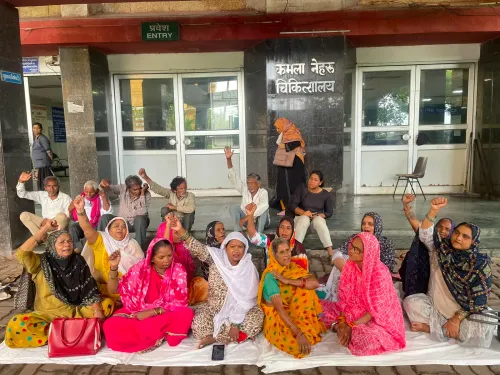
Four survivor organisations have alleged that the Bhopal Memorial Hospital and Research Centre (BMHRC) has discontinued pathology services across all eight of its mini units and is now moving to shut down X-ray facilities as well, severely undermining healthcare access for survivors of the 1984 Bhopal Gas tragedy. The allegations were made public on Thursday, 6 August, with formal letters dispatched to the Union Health Ministry, the Indian Council of Medical Research (ICMR), BMHRC Director Manisha Shrivastava, and the Supreme Court-appointed Monitoring Committee.
What Has Been Shut Down
According to the organisations, pathology laboratories at all eight BMHRC mini units have been closed, with equipment and staff relocated to the main BMHRC hospital. The shift has had immediate consequences: tests such as fasting and post-prandial blood sugar, which were previously reported on the same day, are now reportedly taking up to 48 hours to process.
Additionally, Mini Units 1, 3, 5 and 8 have stopped receiving X-ray films, forcing patients to travel to the main hospital for diagnostic investigations. Patients are also being turned away on days when the lone nurse posted at a mini unit is unavailable to collect blood samples — a situation the organisations describe as a breakdown of basic care.
No Written Orders, Oral Referrals
A particularly troubling detail raised in the complaint is the apparent absence of any written orders authorising the discontinuation of services. The organisations allege that patients are being orally referred to the main hospital for X-rays, with no records being maintained — a practice that critics argue lacks accountability and makes it impossible to track the impact on patients.
'The management appears to be prioritising procurement of new equipment over uninterrupted patient care. Suspending functional services without ensuring alternatives defeats the very purpose for which the mini units were established,' said Rachna Dhingra of the Bhopal Group for Information and Action (BGIA).
Why the Mini Units Exist
The BMHRC mini units were established specifically to bring healthcare within reach of gas-affected communities, many of whom live in low-income neighbourhoods across Bhopal and face significant barriers to accessing the main hospital. Their creation was part of a broader framework of relief and rehabilitation mandated for survivors of what remains one of the world's worst industrial disasters.
'The mini units were established to provide healthcare close to the neighbourhoods where gas victims live. Instead of strengthening them, the management is systematically dismantling essential services,' Dhingra said.
Legal Escalation Ahead
The organisations wrote to the ICMR on 5 August seeking immediate intervention, alleging that BMHRC had unilaterally shut pathology services and was moving to discontinue X-ray access without any formal order or alternative arrangement in place.
Dhingra confirmed that BGIA will raise the issue before the Supreme Court during the hearing of its contempt petition scheduled for 11 August, arguing that the curtailment of services violates the apex court's directions on providing free and appropriate healthcare to Bhopal gas tragedy survivors. The case now adds a fresh dimension to the decades-long legal battle over accountability and victim welfare stemming from the 1984 disaster.
Point of View
If the organisations' account holds, a structural rollback of a welfare commitment made under Supreme Court oversight. The absence of written orders is the most damaging detail: it suggests the management knows these changes would not survive judicial scrutiny. Bhopal survivors have spent four decades fighting for basic healthcare entitlements; the burden of proof must now lie with BMHRC to demonstrate that service quality has not deteriorated. The 11 August Supreme Court hearing will be the first real test of whether institutional accountability still means anything in this case.
NationPress
20 Sept 2026
Frequently Asked Questions
What services has BMHRC allegedly shut down at its mini units?
BMHRC has allegedly discontinued pathology laboratory services at all eight of its mini units, with equipment and staff moved to the main hospital. Mini Units 1, 3, 5 and 8 have also reportedly stopped receiving X-ray films, with patients now being directed to the main BMHRC facility for investigations.
How has the shutdown affected Bhopal gas tragedy survivors?
Survivors are experiencing diagnostic delays of up to 48 hours for basic blood sugar tests that were previously same-day. Patients are also being turned away when no nurse is available at a mini unit, and those needing X-rays must now travel to the main hospital — a significant burden for elderly or low-income survivors.
Why were the BMHRC mini units established in the first place?
The mini units were set up specifically to bring healthcare close to the gas-affected neighbourhoods of Bhopal, where many survivors live. They form part of the relief and rehabilitation framework for victims of the 1984 Bhopal Gas disaster, one of the world's worst industrial accidents.
What action have the survivor organisations taken?
Four organisations wrote to the ICMR on 5 August seeking immediate intervention. They have also written to the Union Health Ministry, BMHRC Director Manisha Shrivastava, and the Supreme Court-appointed Monitoring Committee. BGIA has said it will raise the matter before the Supreme Court on 11 August during a contempt petition hearing.
Has BMHRC issued any official order for discontinuing the services?
According to the survivor organisations, no written order has been issued authorising the discontinuation of pathology or X-ray services. Patients are reportedly being orally referred to the main hospital, with no formal records being maintained for these referrals.