Health Ministry Considers Cough Syrup Ban for Children Under 2 Due to Safety Issues
Synopsis
In light of safety concerns, the Health Ministry of India is contemplating banning pediatric cough syrups for children under two years and advising caution for those under five. This pivotal move follows alarming contamination-related incidents, aiming to enhance drug safety for the youngest patients.
Key Takeaways
Proposed ban on cough syrups for children under two years.
Advisory against usage for children under five.
Part of the National Formulary of India (NFI) 2026 .
Focus on drug safety following contamination-related deaths.
Increased accountability for pharmaceutical companies.
New Delhi, April 11 (NationPress) The Health Ministry is reportedly weighing the option of prohibiting prescriptions of pediatric cough syrups for children younger than two years, while also advising against their use for those under five years of age.
According to reports, this initiative is part of a draft for the National Formulary of India (NFI) 2026, unveiled by the Indian Pharmacopoeia Commission, which signifies a significant change in prescribing standards following a series of deaths linked to contamination last year.
However, the Health Ministry has yet to issue an official statement regarding these reports.
The draft NFI serves as a reference for healthcare professionals and pharmacists by standardizing essential information about medications, including dosage, indications, contraindications, and side effects. It clearly states that “cough and cold medications should not be prescribed or dispensed to children under two years old.”
Additionally, it emphasizes that such medications are generally not recommended for children below five years without thorough clinical evaluation and vigilant supervision.
The draft also places the responsibility of independent testing on pharmaceutical companies to ensure accountability throughout the supply chain. Industry organizations, including the Indian Drugs Manufacturers Association, are currently reviewing the draft to provide feedback.
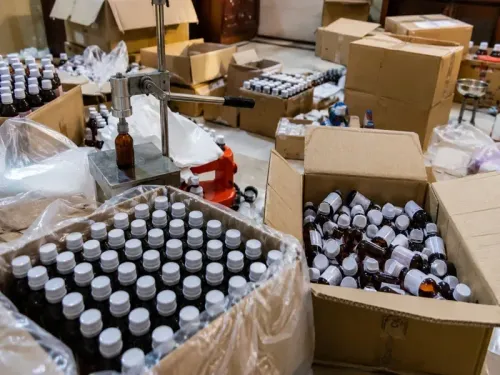
This initiative follows contamination-related fatalities in 2025 attributed to toxic industrial solvents like diethylene glycol (DEG) and ethylene glycol (EG) found in liquid oral formulations.
The Indian Pharmacopoeia Commission (IPC) has revised standards for high-risk excipients such as glycerin, propylene glycol, sorbitol solution, and liquid maltitol to address contamination concerns, as these components may contain DEG impurities.
Manufacturers are now required to utilize pharmacopoeial-grade solvents and conduct thorough batch-wise testing of key inputs and final products in authorized laboratories, along with meticulous record-keeping.
Public health experts and healthcare professionals have welcomed this initiative, noting that cough syrups provide limited therapeutic benefits for infants while posing disproportionate risks.
Coughing serves as a natural protective mechanism, and treatment should aim at addressing underlying causes rather than merely suppressing symptoms, they emphasized.
aar/na
Point of View
I view this proposed ban on cough syrups for young children as a significant step towards ensuring the safety of our most vulnerable population. It reflects a growing awareness of the potential risks associated with these medications, particularly in light of past tragedies linked to contamination. This move could lead to more responsible prescribing practices and enhanced accountability within the pharmaceutical industry.
NationPress
23 Sept 2026
Frequently Asked Questions
What is the proposed ban on cough syrups for children?
The Health Ministry is considering a ban on pediatric cough syrups for children under two years and advising against their use for those under five, due to safety concerns.
Why is the ban being considered?
The ban is being considered following contamination-linked deaths last year, which raised significant safety concerns regarding these medications.
What does the draft National Formulary of India state?
The draft explicitly states that cough and cold medications should not be prescribed to children under two years of age.
What are the responsibilities of pharmaceutical companies in this context?
Pharmaceutical companies are required to conduct independent testing of inputs and final products to ensure safety and accountability.
How do health experts view the use of cough syrups for infants?
Health experts argue that cough syrups offer limited benefits to infants and pose disproportionate risks, advocating for treatments that address underlying causes.