Delhi CM Rekha Gupta's Surprise Hospital Visit Exposes Major Gaps
Synopsis
Delhi CM Rekha Gupta's unannounced visit to Aruna Asaf Ali Hospital on April 23 laid bare a troubling reality — elderly patients standing since 8 a.m., empty pharmacy shelves, broken toilets, and a digital booking system that failed to reduce queues. Her zero-tolerance directive puts Delhi's entire public hospital network on notice.
Key Takeaways
Delhi CM Rekha Gupta conducted an unannounced inspection of Aruna Asaf Ali Hospital on April 23, 2025 , exposing multiple systemic failures.
Elderly patients reported standing in queues since 8 a.m. without receiving medical attention, prompting the CM to call the situation "completely unacceptable." Medicine shortages at the hospital pharmacy were forcing patients to purchase drugs from outside at their own cost; the CM declared a zero-tolerance policy on shortages.
The hospital's online appointment and token system was found to be ineffective in reducing OPD overcrowding, with the CM ordering immediate system integration.
Repeated complaints about unhygienic conditions, dysfunctional toilets, and poor water supply led to the CM sharply reprimanding officials for gross negligence.
The vaccination unit — handling high daily volumes of rabies and other injections — was directed to maintain an uninterrupted supply of all vaccines and medicines.
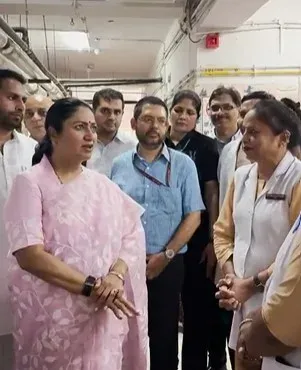
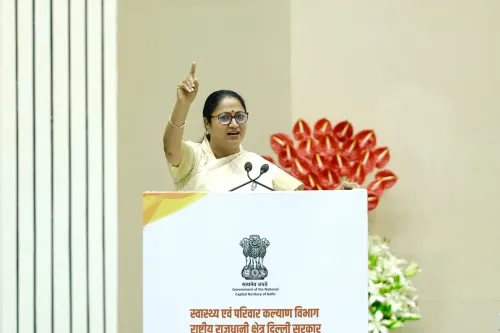
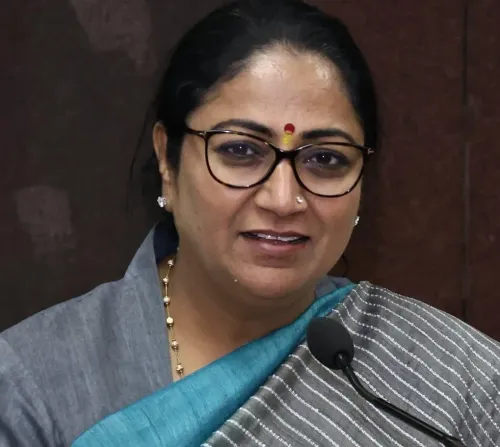
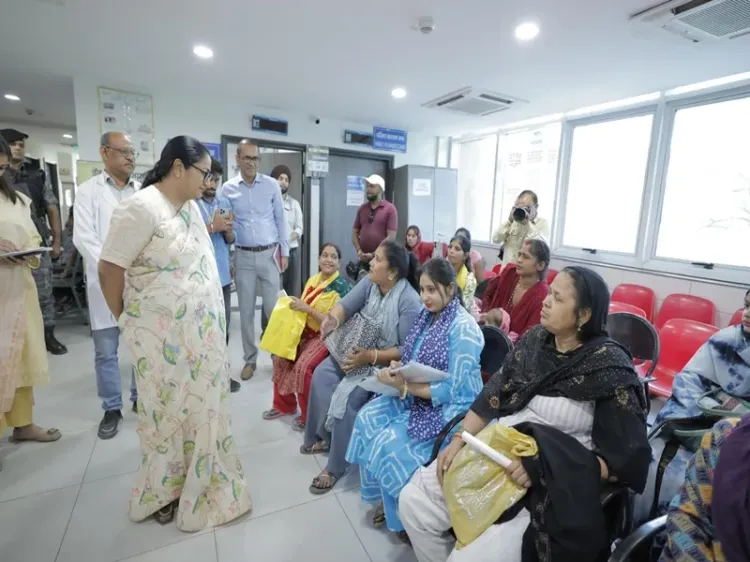
New Delhi, April 23: Delhi Chief Minister Rekha Gupta conducted an unannounced inspection of Aruna Asaf Ali Government Hospital on Thursday, April 23, uncovering serious deficiencies in medicine availability, sanitation infrastructure, and patient management systems. The visit exposed systemic failures that have long burdened patients — particularly senior citizens — seeking basic public healthcare in the national capital.
What the Chief Minister Found on the Ground
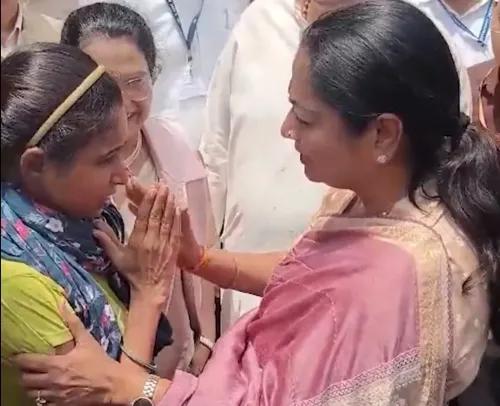
Upon arrival, CM Gupta was approached by several elderly patients who revealed they had been standing in queues since 8 a.m. without receiving any medical attention. The Chief Minister described the situation as "completely unacceptable" and immediately directed hospital administration to deploy adequate seating arrangements in waiting areas and overhaul the existing token system.
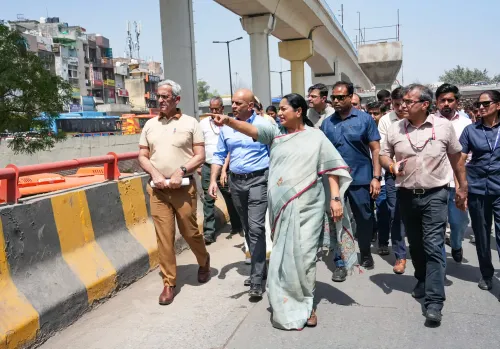
The inspection covered multiple departments including the OPD (Outpatient Department), pharmacy counters, wards, vaccination unit, sanitation facilities, water supply systems, and digital service infrastructure. Gupta interacted directly with patients and their attendants to gather first-hand accounts of the hospital's functioning — a stark contrast to routine administrative reviews that rarely surface ground-level realities.
Notably, the orthopaedics department recorded unusually heavy patient footfall. The Chief Minister held a direct discussion with doctors there, stressing the need to maintain quality of care even under high-pressure conditions.
Medicine Shortages and Zero-Tolerance Policy
One of the most critical findings was the widespread unavailability of medicines at the hospital pharmacy, forcing patients to purchase drugs from private medical shops at their own expense — a burden that disproportionately affects low-income patients who depend on government hospitals for affordable care.
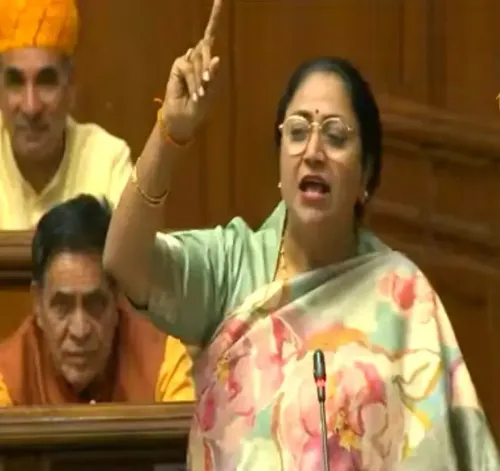
CM Gupta ordered an immediate audit of stock registers and declared a zero-tolerance policy on medicine and vaccine shortages. "If a medicine is needed today, it must be provided today," she stated, calling it a serious lapse to inconvenience citizens over basic healthcare needs.
Officials briefed her that the hospital's vaccination unit handles a significant volume of patients daily, particularly for rabies injections and other immunisations. She directed authorities to ensure an uninterrupted and adequately stocked supply chain for all essential medicines and vaccines.
Online Appointment System Failing Patients
Despite the hospital operating a digital appointment and token booking mechanism, patients continued to face prolonged waiting times and disorganised queues. Gupta pulled up officials over the disconnect between the online and offline systems, ordering immediate integration to reduce patient waiting time and ease OPD congestion.
This finding is significant because Delhi's public health infrastructure has been repeatedly cited as a model for digitisation under successive governments. The persistence of queue-related chaos despite a functional online booking system points to implementation gaps rather than a lack of policy intent — a distinction that matters for accountability.
Sanitation and Basic Amenities in Poor Condition
Patients and their families raised repeated complaints about unhygienic conditions, non-functional toilets, inadequate water supply, and a general absence of basic amenities. CM Gupta sharply reprimanded officials, stating that ignoring such complaints despite clear feedback from both patients and staff constituted gross negligence.
She made it unambiguously clear that deficiencies in cleanliness, medicines, and patient facilities would not be tolerated under any circumstances, signalling that corrective action would be monitored at the highest level.
Broader Context and What This Means for Delhi's Public Health System
This surprise inspection comes against the backdrop of long-standing concerns about the state of Delhi's government hospital network, which serves millions of residents — many of whom cannot afford private healthcare. Aruna Asaf Ali Hospital, located in North Delhi, is a key public health facility and its condition is often seen as a barometer for the capital's healthcare delivery standards.
Critics have long argued that systemic issues — understaffing, supply chain mismanagement, and poor accountability — persist regardless of which party governs Delhi. The Bharatiya Janata Party (BJP), which now leads the Delhi government under CM Rekha Gupta, had made healthcare accountability a central campaign theme. This inspection signals an intent to follow through, though observers will watch closely whether the directives issued translate into sustained improvements or remain one-time interventions.
With Delhi's municipal and state health budgets under scrutiny and public trust in government hospitals at stake, the administration is expected to release a compliance report on the corrective measures ordered during this visit. Citizens and patient advocacy groups will be watching whether the zero-tolerance policy on medicine shortages is enforced consistently across all government hospitals in the capital.
Point of View
But Delhi's public hospital crisis is structural, not supervisory — medicine shortages, dysfunctional sanitation, and overcrowded OPDs don't emerge overnight and cannot be fixed by a single visit. The real test for CM Rekha Gupta is whether her zero-tolerance declaration is backed by systemic procurement reforms, staff accountability mechanisms, and a public compliance audit. What's often missed in the headline cycle is that these failures hit the poorest Delhiites hardest — those with no alternative but a government hospital. The BJP, which campaigned on healthcare accountability, now owns this problem entirely.
NationPress
27 Sept 2026
Frequently Asked Questions
What did Delhi CM Rekha Gupta find during her surprise visit to Aruna Asaf Ali Hospital?
Delhi CM Rekha Gupta found serious deficiencies including medicine shortages, overcrowded OPDs, poor sanitation, non-functional toilets, and a broken token system during her April 23 inspection. Elderly patients reported standing in queues since 8 a.m. without being attended to.
What action did CM Rekha Gupta take after the hospital inspection?
CM Gupta ordered an immediate audit of medicine stock registers, declared a zero-tolerance policy on drug shortages, and directed officials to fix the online-offline appointment system integration. She also mandated improved seating for senior citizens and immediate sanitation repairs.
Why are patients facing medicine shortages at Aruna Asaf Ali Hospital?
Patients at Aruna Asaf Ali Hospital have been facing medicine shortages due to supply chain and stock management failures, forcing them to buy drugs from private pharmacies at personal expense. CM Gupta called this a serious lapse and ordered corrective action immediately.
Which hospital did Delhi CM Rekha Gupta inspect on April 23, 2025?
Delhi CM Rekha Gupta conducted a surprise inspection of Aruna Asaf Ali Government Hospital in North Delhi on April 23, 2025. The visit was unannounced and covered the OPD, pharmacy, wards, vaccination unit, and sanitation facilities.
What is the condition of Delhi government hospitals in 2025?
Delhi government hospitals in 2025 continue to face challenges including medicine shortages, overcrowding, poor sanitation, and gaps in digital appointment systems, as revealed by CM Rekha Gupta's inspection of Aruna Asaf Ali Hospital. The government has announced a zero-tolerance policy on basic facility failures.