H1N1 surge: Delhi Health Minister inspects Indira Gandhi Hospital preparedness
Synopsis
With H1N1 cases climbing in Delhi, Health Minister Pankaj Kumar Singh made a surprise inspection of Indira Gandhi Hospital in Dwarka — checking isolation wards, oxygen stocks, and medicines, and warning that more unannounced hospital visits are coming. The government says a contingency surge plan is already in place.
Key Takeaways
Delhi Health Minister Pankaj Kumar Singh inspected Indira Gandhi Hospital, Dwarka on 27 August amid rising H1N1 cases in the capital.
A dedicated H1N1 isolation ward and a separate Swine Flu/H1N1 Clinic have been established at the hospital.
The Minister reviewed availability of beds, oxygen, medicines, fluids, and testing facilities .
Singh said unannounced inspections of Delhi government hospitals will continue and he is personally monitoring the situation.
A contingency ward has been prepared to handle any potential surge in patient numbers .
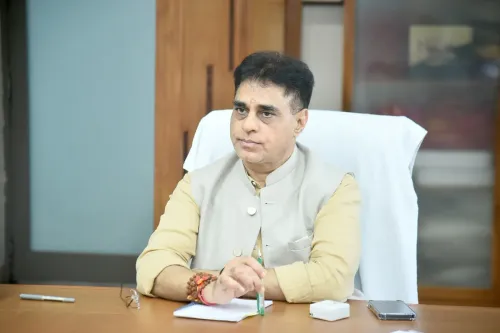
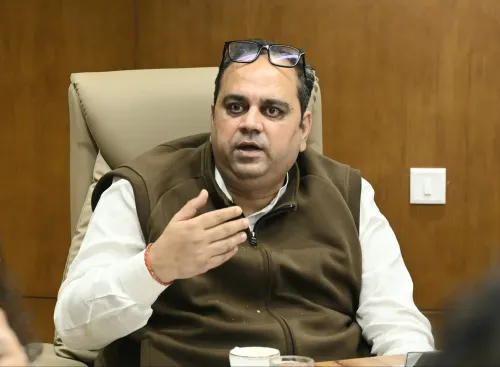
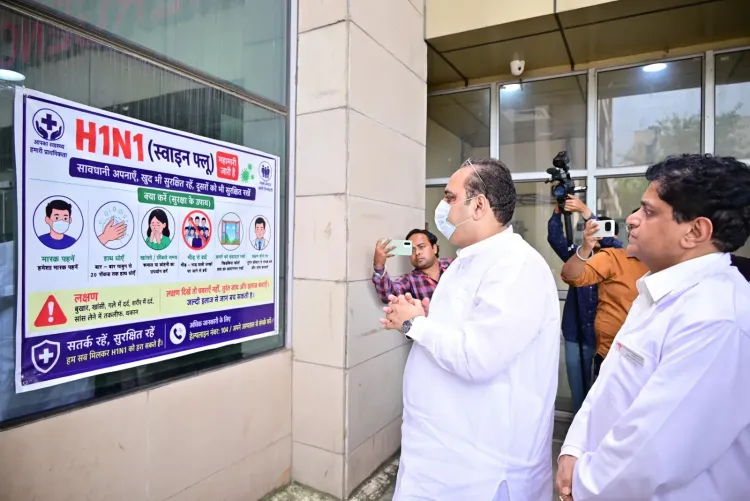
Delhi Health Minister Pankaj Kumar Singh on 27 August inspected the Indira Gandhi Hospital in Dwarka, conducting a ground-level review of H1N1 preparedness as the national capital records a rising number of swine flu cases. The visit, confirmed by an official, covered the hospital's isolation ward, medical supplies, staffing, and public awareness infrastructure.
What the Minister Reviewed
Singh examined the dedicated H1N1 isolation ward set up within the hospital and took stock of the availability of beds, oxygen, medicines, fluids, and testing facilities. He also met with doctors, nurses, laboratory technicians, and patients to assess conditions first-hand. Additionally, he reviewed Information, Education, and Communication (IEC) materials deployed as part of the government's public awareness campaign on H1N1 symptoms, prevention, and precautions.
What the Government Said
Addressing concerns after the inspection, Minister Singh sought to reassure residents. 'I want to assure the people of Delhi that there is absolutely no need for panic,' he said. 'The Delhi government and the Health Department are fully prepared. Our doctors, nurses, laboratory technicians and other healthcare workers are fully alert and working with complete seriousness and dedication,' he added.
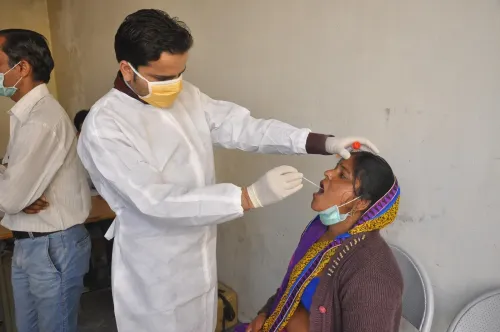
Singh confirmed that a special isolation ward has been arranged exclusively for H1N1 patients, with adequate provisions for oxygen, medicines, fluids, and testing. The hospital has also established a dedicated Swine Flu/H1N1 Clinic where suspected patients will first be examined and diagnosed before being transferred to the isolation ward if found positive.
Inspections to Continue Across Delhi Hospitals
The Minister indicated that unannounced visits to other Delhi government hospitals would continue. 'These inspections will continue. I am personally monitoring the situation and regularly inspecting hospitals. Senior Health Department officials and Medical Superintendents and Medical Directors have been directed to ensure complete preparedness, and I may visit any hospital at any time as required,' he said. This is part of a broader effort by the Delhi government to ensure no gap in patient care across its hospital network.
Contingency Plan in Place
Authorities have made advance arrangements to handle a potential surge in cases. 'We have created a special ward so that patients can be accommodated in case of any emergency. Even if the number of patients increases, we have further arrangements and a plan in place. Our focus is to remain prepared for every possible situation and ensure timely and proper treatment,' Singh said. This comes amid a pattern of seasonal H1N1 spikes in Delhi during the monsoon and post-monsoon months, when respiratory illnesses typically rise. The government's proactive stance signals an attempt to avoid the reactive scramble seen during previous outbreak seasons.
Point of View
But the key question is whether institutional readiness matches the optics. Delhi's public hospitals have historically struggled with surge capacity during seasonal outbreaks — the dedicated H1N1 clinic and isolation ward are steps in the right direction, but the absence of publicly disclosed case counts and bed-occupancy data makes independent assessment impossible. Ministerial walk-throughs are visible governance, but without transparent real-time dashboards on H1N1 admissions and test positivity, residents are left to take official reassurances on faith. The government's credibility on this will be tested the moment case numbers spike sharply.
NationPress
28 Aug 2026
Frequently Asked Questions
Why did Delhi's Health Minister inspect Indira Gandhi Hospital on 27 August?
Delhi Health Minister Pankaj Kumar Singh visited Indira Gandhi Hospital in Dwarka to review H1N1 preparedness amid a rise in swine flu cases in the national capital. He inspected the isolation ward and assessed availability of beds, oxygen, medicines, and testing infrastructure.
What H1N1 facilities has Indira Gandhi Hospital set up?
The hospital has established a dedicated H1N1 isolation ward for confirmed patients and a separate Swine Flu/H1N1 Clinic for initial examination and diagnosis of suspected cases. Patients confirmed positive are transferred from the clinic to the isolation ward for further treatment.
Is there a risk of H1N1 spreading further in Delhi?
The Delhi government has stated it is fully prepared and has a contingency plan for a potential surge. However, authorities have not publicly released current case counts or test positivity data, making independent risk assessment difficult.
Will more hospital inspections take place?
Yes. Minister Singh said inspections will continue across Delhi government hospitals and that he may visit any facility unannounced. Senior Health Department officials and Medical Superintendents have been directed to maintain complete preparedness.
What precautions should Delhi residents take against H1N1?
The Delhi government is running an IEC awareness campaign covering H1N1 symptoms, prevention, and precautions. Residents experiencing flu-like symptoms are advised to visit the dedicated Swine Flu/H1N1 Clinic at Indira Gandhi Hospital or other designated facilities for early diagnosis.