Gujarat H1N1 situation under control, says Health Minister Praful Pansheriya
Synopsis
Gujarat's health minister has declared the H1N1 situation under control — but the state isn't taking chances. A high-level video conference with hospital heads and district officials has triggered fresh directives on medicine stocks, ventilators, and 2019 H1N1 protocols, even as ICMR confirms no new strain has emerged in India.
Key Takeaways
Gujarat Health Minister Praful Pansheriya on 24 August declared no serious H1N1 outbreak in the state, with all patients in normal condition.
A high-level review meeting was held in Gandhinagar via video conference, attended by civil hospital superintendents, medical college deans, and district health officials.
Hospitals have been directed to follow 2019 H1N1 guidelines and maintain adequate stocks of medicines, oxygen , and ventilators .
Cases in Delhi and Mumbai are being monitored as inter-city travel remains a key transmission risk for Gujarat.
The Indian Council of Medical Research (ICMR) has confirmed no new H1N1 strain in India; circulating viruses are seasonal strains in circulation since 2025 .
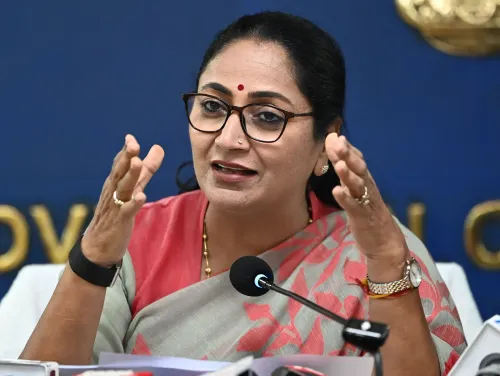
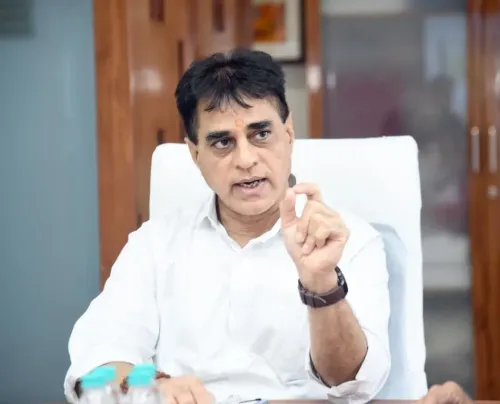
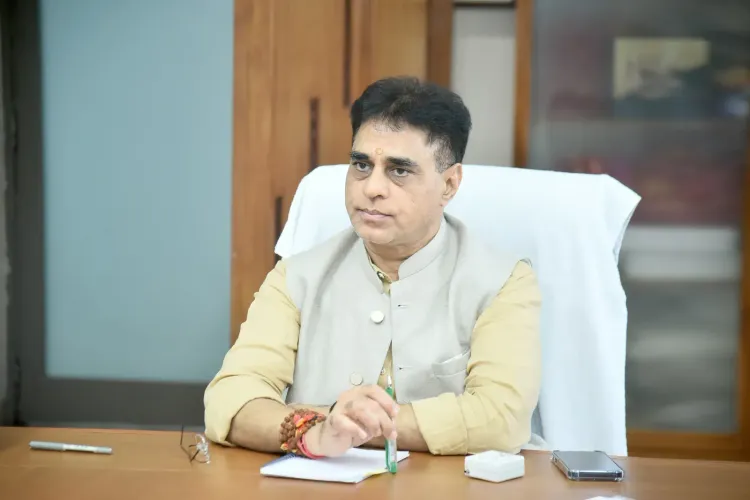
Gujarat Health Minister Praful Pansheriya on Monday, 24 August said the H1N1 situation in Gujarat remains under control, with all reported patients in normal condition and no serious outbreak detected in the state. The assurance came after a high-level review meeting convened in Gandhinagar to assess the state's preparedness against seasonal influenza amid a broader national uptick in cases.
High-Level Review in Gandhinagar
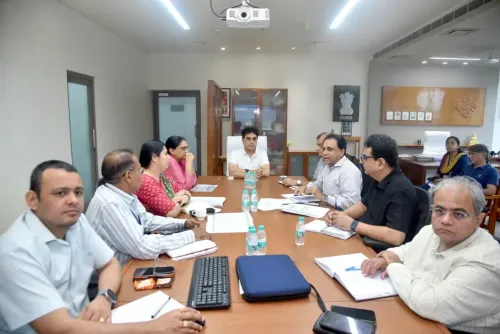
The review meeting, chaired by Pansheriya, was conducted via video conference and attended by medical superintendents of civil hospitals, deans of medical colleges, and senior health officials from across districts and municipal corporations. Officials reviewed measures in place to counter not only H1N1 but also water-borne and mosquito-borne diseases prevalent during the monsoon season.
What the Minister Said
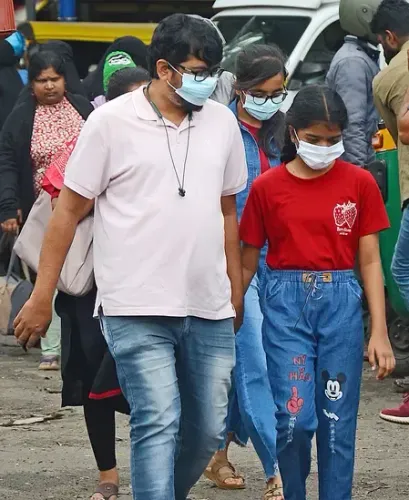
'There is no serious outbreak of H1N1 in the state. As the condition of the patients is normal, citizens of the state do not need to worry at all,' Pansheriya said. He noted that cases were being reported from metropolitan centres such as Delhi and Mumbai, from where people continue to travel to Gujarat by air, rail, and road — a key transmission pathway the state is monitoring closely.
Directives to Hospitals
The minister directed all government hospitals to strictly adhere to the 2019 H1N1 guidelines for patient sampling, testing, and treatment. Emergency departments, doctors, and nursing staff have been instructed to follow established protocols without exception. Pansheriya also ordered medical superintendents and college deans to maintain sufficient stocks of essential medicines and ensure adequate availability of oxygen and ventilators. Hospital authorities were further told to resolve any technical or staffing issues internally to prevent disruption to patient services, with special emphasis placed on strengthening cleanliness drives within hospital premises.
Monsoon Disease Burden and ICMR's Assessment
Pansheriya acknowledged the seasonal disease burden, praising district health authorities for providing prompt treatment to patients suffering from diarrhoea, vomiting, typhoid, cholera, malaria, chikungunya, jaundice, and seasonal flu during the monsoon. Nationally, the Indian Council of Medical Research (ICMR) has confirmed that no new H1N1 strain has been detected in India, and that the viruses currently circulating are seasonal strains that have been in circulation since 2025 — offering some reassurance against fears of a novel outbreak.
What to Watch
Health authorities across the country continue to monitor seasonal influenza trends, and Gujarat's proactive review signals that state governments are not waiting for a surge before reinforcing systems. The emphasis on ventilator and oxygen availability suggests officials are preparing for contingencies even as they publicly project calm. How effectively inter-city travel-linked transmission is tracked will be a key indicator in the weeks ahead.
Point of View
The directive to stock ventilators and oxygen tells a more cautious story than the minister's public 'no need to worry' framing. The real gap is surveillance: inter-city travel from Delhi and Mumbai is acknowledged as a transmission vector, but there is no mention of active screening at transit points. ICMR's confirmation that no new strain is circulating is the most substantive piece of information here, yet it risks being buried under administrative directives. State health communication would serve citizens better by leading with the science.
NationPress
9 Oct 2026
Frequently Asked Questions
Is there an H1N1 outbreak in Gujarat right now?
No serious H1N1 outbreak has been reported in Gujarat as of 24 August, according to Health Minister Praful Pansheriya. All patients in the state are reportedly in normal condition, and the Indian Council of Medical Research has confirmed no new strain is circulating in India.
Why did Gujarat hold an H1N1 review meeting?
The review was called to assess hospital preparedness as H1N1 cases rose in cities like Delhi and Mumbai, from where travellers regularly enter Gujarat. The meeting covered medicine stocks, ventilator availability, and adherence to 2019 H1N1 treatment protocols.
What directives were issued to Gujarat hospitals?
Hospitals were directed to strictly follow 2019 H1N1 guidelines for sampling, testing, and treatment; maintain adequate stocks of essential medicines, oxygen, and ventilators; and resolve staffing or technical issues without disrupting patient services.
Has ICMR detected a new H1N1 strain in India?
No. The Indian Council of Medical Research has confirmed that no new H1N1 strain has been detected in India. The viruses currently circulating are seasonal strains that have been in circulation since 2025.
Which diseases are Gujarat hospitals managing during the monsoon?
Beyond H1N1, Gujarat's district hospitals have been treating patients for diarrhoea, vomiting, typhoid, cholera, malaria, chikungunya, jaundice, and seasonal flu — typical monsoon-season disease clusters across India.