Did PUCC Prosecutions Rise Over 40% in 2025 Due to Persistent Pollution in Delhi?
Synopsis
As Delhi grapples with severe air pollution, a recent surge in prosecutions related to Pollution Under Control Certificates has been observed. With over a 40% increase in 2025, officials attribute this rise to intensified monitoring at border points and efforts to combat vehicular emissions. This article delves into the measures taken by authorities to improve air quality.
Key Takeaways
Prosecutions for PUCC violations surged over 40% in 2025.
Enhanced enforcement at Delhi's borders contributed significantly to this rise.
Regular roadside checks played a key role in identifying non-compliant vehicles.
Authorities are committed to ongoing monitoring and enforcement efforts.
Winter months typically see a peak in pollution levels, prompting special measures for traffic personnel.
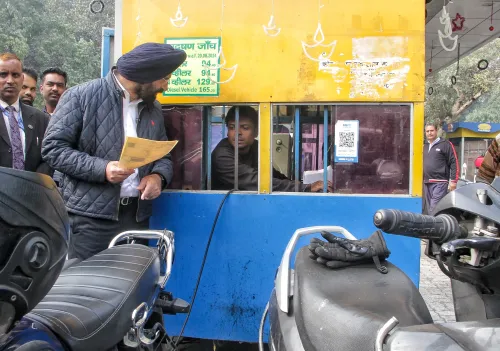
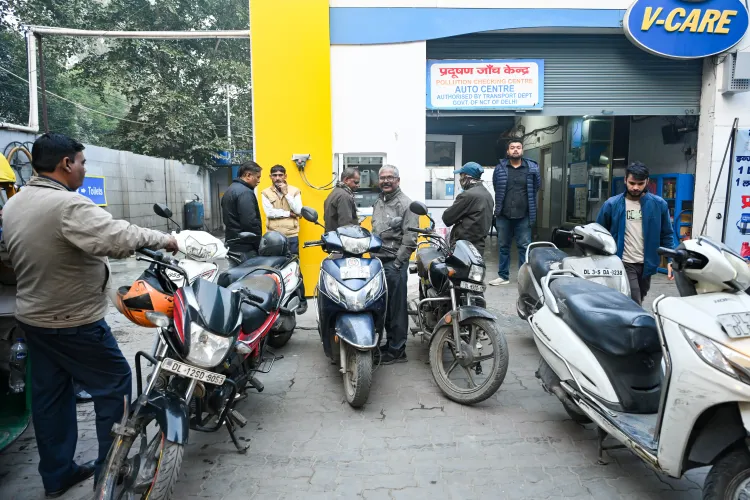
New Delhi, Jan 9 (NationPress) As the struggle against chronic air pollution in Delhi persists, there has been a significant escalation in enforcement actions against polluting vehicles. Prosecutions related to Pollution Under Control Certificates (PUCC) surged by more than 40 percent in 2025 compared to the prior year, indicating a more rigorous approach by traffic authorities.
Official statistics reveal that the number of PUCC-related prosecutions soared from 597,772 cases in 2024 to 862,944 in 2025, marking an increase of 265,172 cases within a single year.
Dinesh Kumar Gupta, Additional Commissioner of Police, Traffic, noted that the increase was largely attributed to enhanced enforcement at Delhi’s border points and continuous deployment of traffic personnel.
“Traffic police are extensively stationed at Delhi's borders, which has led to a substantial rise in prosecutions,” Gupta stated, emphasizing that this deployment was conducted under the directives of the Commission for Air Quality Management (CAQM).
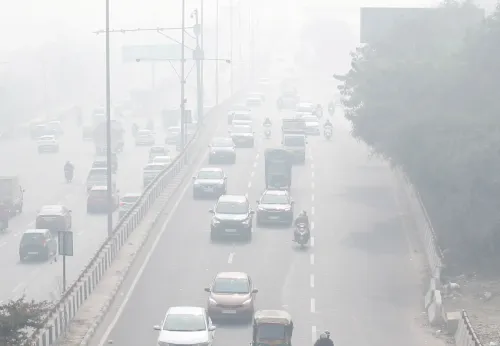
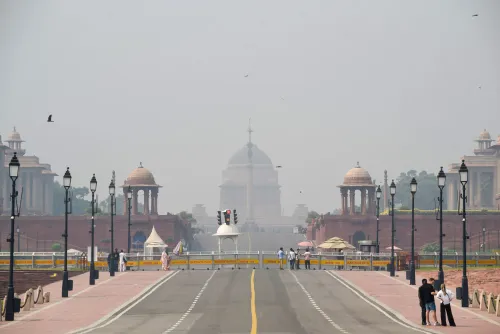
This uptick in enforcement coincided with recurring periods of ‘poor’ and ‘severe’ air quality in the capital, where vehicular emissions are a key contributor to pollution levels.
Officials indicated that regular roadside inspections and sustained operations against vehicles lacking valid PUCCs were pivotal in raising the number of prosecutions.
A senior official from the Delhi Traffic Police also mentioned that special health camps were organized for personnel on duty during winter months, when pollution often reaches its peak.
“Medical reports showed no alarming results. Additionally, masks are being regularly provided to traffic police to ensure their safety,” the official added.
Authorities asserted that enforcement and monitoring efforts would persist as part of broader strategies aimed at reducing vehicular pollution and enhancing air quality in the capital.
With Delhi's air quality steadily worsening, the government has initiated various stages of the Graded Response Action Plan (GRAP). This has led to extensive checks at the city’s borders, restrictions on polluting vehicles, and the issuance of thousands of fines. All types of vehicles, including trucks, buses, and light vehicles, were scrutinized to improve air quality in Delhi.
Point of View
The fight against air pollution in Delhi represents a pressing public health challenge. The significant rise in PUCC prosecutions highlights the importance of stringent enforcement and monitoring to ensure compliance with environmental regulations. This proactive approach not only aims to improve air quality but also seeks to safeguard the health of citizens.
NationPress
26 Sept 2026
Frequently Asked Questions
What are Pollution Under Control Certificates?
Pollution Under Control Certificates (PUCC) are official documents issued to vehicles that meet specific emission standards, indicating that they are not contributing excessively to pollution.
Why have PUCC prosecutions increased?
The increase in PUCC prosecutions is attributed to enhanced enforcement measures, including increased inspections and monitoring at border points, as well as a growing focus on addressing vehicular emissions.
What impact do vehicular emissions have on air quality?
Vehicular emissions are a major source of air pollution, contributing to harmful particulate matter and gases that can lead to serious health issues and deteriorate air quality.
What actions are being taken to improve air quality in Delhi?
Authorities are implementing various measures, including stricter enforcement of PUCC regulations, conducting roadside checks, and initiating public awareness campaigns to reduce pollution levels.
How does winter affect air quality in Delhi?
During winter months, air quality typically worsens due to temperature inversions and stagnant air, which trap pollutants close to the ground, exacerbating pollution levels.