Alarming Rise of Food Adulteration in Pakistan: A Report
Synopsis
A new report reveals that food adulteration in Pakistan poses a severe threat to public health, impacting daily survival and consumer trust. With a range of unsafe products prevalent in the market, the situation demands urgent attention.
Key Takeaways
Food adulteration in Pakistan threatens public health.
Common adulterants include synthetic milk and contaminated spices .
The Lahore High Court has acknowledged the severity of this issue.
Systemic regulatory failures are at the core of this crisis.
Consumers have adjusted their expectations to expect unsafe products.
New Delhi, March 6 (NationPress) The prevalence of food adulteration in Pakistan has escalated to such an extent that it now jeopardizes daily survival, moving beyond just affecting consumer choices, according to a recent report.
The Daily Mirror highlighted that the adulteration spans a variety of products, including synthetic milk, fake cheese, and contaminated spices, cooking oil, meat, and bottled water.
This situation has evolved into a significant public health crisis in Pakistan, largely unnoticed yet pervasive in kitchens and marketplaces, the report pointed out.
A recent judicial observation has shed light on the severity of the issue, as the Lahore High Court described the scenario as a “horrifying picture” when it denied bail to an individual apprehended while transporting 2,400 litres of adulterated milk.
The report referenced findings from the Pakistan Standards & Quality Control Authority, revealing that formalin and excessive phosphates were detected in every milk sample analyzed in Karachi, making these products unsafe for human consumption.
Formalin, an industrial preservative, poses alarming health risks, which is a major concern, the report emphasized.
It was noted that various harmful substances, including water, detergents, vegetable fats, urea, and formalin, are frequently added to milk.
“The scale and duration of this issue reflect not isolated criminal activities, but rather a systemic failure of regulations,” the report stated.
Additionally, the report raised concerns about the rampant presence of counterfeit and substandard food items produced by unlicensed manufacturers, who imitate well-known brand names, packaging, and appearance of popular products. These inferior goods are prominently displayed even in significant retail establishments.
Unsafe and unsanitary practices throughout the supply chain, from farms to retail outlets, have amplified the risks of gastrointestinal issues, liver and kidney damage, weakened immunity, and increased vulnerability to diseases.
“Perhaps the most distressing aspect of Pakistan’s food adulteration crisis is its normalization. Consumers often assume the products they purchase are unsafe, adjusting their expectations accordingly,” the report observed.
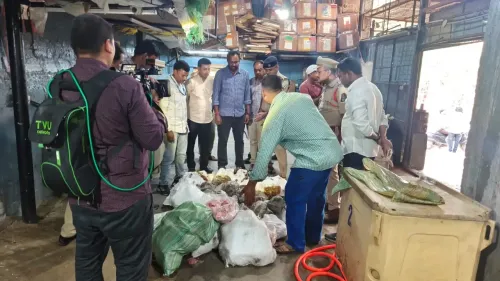
The media outlet noted that sporadic enforcement actions are merely reactive and short-lived, typically instigated by court rulings or media scrutiny.
“Penalties for offenders are often too lenient to prevent repeat offenses, essentially turning them into an acceptable cost of doing business,” it added.
aar/na
Point of View
It is imperative to address the concerning rise of food adulteration in Pakistan. This public health emergency highlights systemic regulatory failures and the urgent need for comprehensive reforms to protect consumers from unsafe food products.
NationPress
26 Sept 2026
Frequently Asked Questions
What is food adulteration?
Food adulteration refers to the process of adding inferior or harmful substances to food products, compromising their quality and safety.
What are the common adulterants found in food in Pakistan?
Common adulterants include synthetic milk, fake cheese, contaminated spices, and harmful chemicals like formalin and urea.
How does food adulteration affect public health?
Food adulteration poses significant health risks, including gastrointestinal disorders, liver and kidney damage, and weakened immunity.
What measures are being taken to combat food adulteration in Pakistan?
While there are occasional crackdowns, systematic regulatory reforms are necessary to address the root causes of food adulteration.
Why is food adulteration a growing concern?
The widespread normalization of food adulteration in society, combined with lenient penalties, makes it a pressing issue that endangers consumer health.