Gujarat Chandipura virus: 12 confirmed, 8 dead out of 63 suspected cases
Synopsis
Gujarat has confirmed 12 Chandipura virus cases and 8 deaths from 63 suspected infections — with 8 lab reports still pending. The state is racing to contain a monsoon-season outbreak that disproportionately kills children under 15, deploying Rapid Response Teams, training nearly 2,000 paediatricians, and running war-footing dusting operations around rural kutcha houses.
Key Takeaways
Gujarat has confirmed 12 Chandipura virus (CHPV) cases out of 63 suspected infections as of 20 July 2025 .
Eight of the 12 confirmed patients have died; 8 lab reports are still awaited.
Nine confirmed cases are from Gujarat; three are from Rajasthan .
Affected districts include Panchmahal , Kheda , Sabarkantha , Mehsana , Bharuch , Bhavnagar , and Ahmedabad .
1,993 paediatricians trained via CME; 117 sand fly samples tested — all negative so far.
The virus mainly affects children under 15 and is more active during the monsoon season through September .
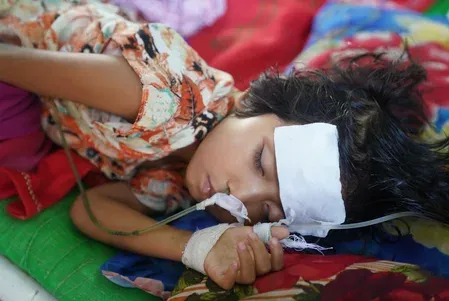
Gujarat has confirmed 12 cases of Chandipura virus (CHPV) out of 63 suspected infections reported so far in 2025, with eight of the confirmed patients having died, state health authorities said on Monday, 20 July. The state government has intensified surveillance, treatment, and vector control measures as laboratory testing continues on the remaining samples.
Key Developments
Of the 55 samples tested so far at the Gujarat Biotechnology Research Centre (GBRC) in Gandhinagar, 12 returned positive. Eight laboratory reports are still awaited. Of the confirmed cases, nine patients are from Gujarat and three are from neighbouring Rajasthan.
District-wise, two confirmed cases each have been reported from Panchmahal and Kheda districts, while one case each has been recorded in Sabarkantha, Mehsana, Bharuch, Bhavnagar, and the Ahmedabad Municipal Corporation area.
What the Government Said
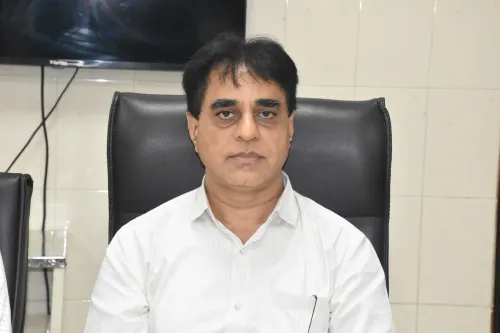
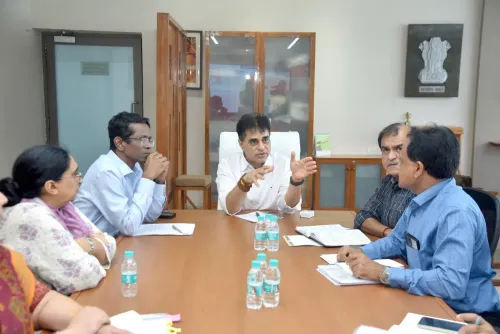
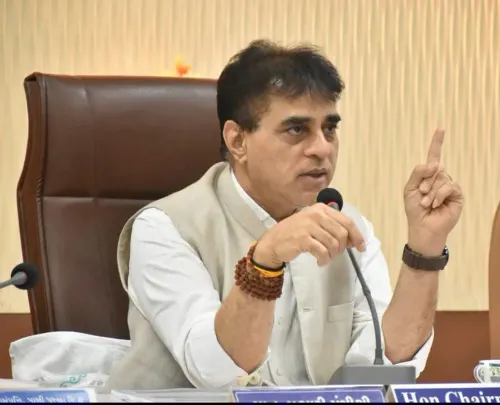
The situation was reviewed at a high-level meeting chaired by Health Minister Praful Pansheriya on Monday. He directed officials to conduct detailed investigations into the travel and case history of infected patients to better understand the source of transmission.
'Once a case is reported from a particular area, intensive surveillance in that pocket becomes essential,' Pansheriya said. He also urged parents to act without delay: 'If any child develops symptoms such as sudden high fever, seizures, vomiting, diarrhoea or unconsciousness, parents should immediately contact the nearest government hospital or a paediatric specialist without wasting any time.'
All 63 suspected patients have been admitted to medical colleges, district hospitals, or multispeciality hospitals and are receiving treatment, the Health and Family Welfare Department confirmed.
Containment and Vector Control Measures
Rapid Response Teams are investigating every suspected case and conducting focal surveillance in affected areas. Dusting and spraying operations are being carried out on a war footing around kutcha houses and cattle sheds to control sand flies and other insects believed to transmit the virus. Extensive health screening has been conducted across thousands of kutcha and pucca houses in affected districts.
Notably, 117 sand fly samples have been tested across the state so far, and all have returned negative results, officials said. Paediatric intensive care unit (ICU) beds, essential medicines, and ventilators have been made available at civil and superspeciality hospitals across all district headquarters.
In collaboration with the Indian Academy of Paediatrics, 1,993 paediatricians across Gujarat have received training through Continuing Medical Education (CME) programmes to improve early detection and management.
About Chandipura Virus
Chandipura virus was first identified in 1965 in the village of Chandipura in Maharashtra. It is primarily transmitted by sand flies and mainly affects children under 15. The infection can cause sudden fever, vomiting, seizures, and unconsciousness, and in severe cases may lead to Acute Encephalitis Syndrome (AES). The virus is generally more active during the monsoon season and through September, according to health authorities.
Public Advisory
The Health Department has urged parents to seek immediate medical attention if children develop fever, vomiting, seizures, or unconsciousness. It also advised people to avoid self-medication, wear full-sleeved clothing, use mosquito nets, and maintain cleanliness around homes to minimise contact with sand flies. With the monsoon at its peak, authorities warn that vigilance in rural and semi-urban pockets — particularly around kutcha housing — remains critical in the weeks ahead.
Point of View
Which means the entire burden falls on early detection and supportive paediatric care — precisely the system gap that rural Gujarat is least equipped to close quickly. The fact that all 117 sand fly samples have returned negative is reassuring but not conclusive; vector surveillance at this scale, during peak monsoon, is inherently incomplete. The cross-border spread to Rajasthan also signals that containment cannot be a single-state exercise, and a coordinated Centre-state response framework has not yet been publicly articulated.
NationPress
19 Oct 2026
Frequently Asked Questions
What is Chandipura virus and how does it spread?
Chandipura virus (CHPV) is a rare viral disease first identified in 1965 in Chandipura village, Maharashtra. It is primarily transmitted by sand flies and mainly affects children under 15, causing sudden fever, vomiting, seizures, unconsciousness, and in severe cases, Acute Encephalitis Syndrome (AES).
How many Chandipura virus cases and deaths have been confirmed in Gujarat?
As of 20 July 2025, Gujarat has confirmed 12 Chandipura virus cases out of 63 suspected infections, with 8 of the 12 confirmed patients having died. Eight laboratory reports are still awaited.
Which districts in Gujarat are affected by the Chandipura virus outbreak?
Confirmed cases have been reported from Panchmahal and Kheda (two each), and one case each from Sabarkantha, Mehsana, Bharuch, Bhavnagar, and the Ahmedabad Municipal Corporation area. Three additional confirmed cases are from neighbouring Rajasthan.
What steps is the Gujarat government taking to contain the outbreak?
The state has deployed Rapid Response Teams for focal surveillance, conducted dusting and spraying operations around kutcha houses and cattle sheds, trained 1,993 paediatricians through CME programmes, and ensured paediatric ICU beds, medicines, and ventilators are available at district hospitals. All suspected cases are being tested at the Gujarat Biotechnology Research Centre in Gandhinagar.
What should parents do if their child shows Chandipura virus symptoms?
Health Minister Praful Pansheriya has urged parents to immediately contact the nearest government hospital or paediatric specialist if a child develops sudden high fever, seizures, vomiting, diarrhoea, or unconsciousness. The department has advised against self-medication and recommended full-sleeved clothing, mosquito nets, and home cleanliness to reduce sand fly exposure.