Gujarat Chandipura virus: 225 suspected cases, 25 deaths as outbreak widens

Synopsis
Gujarat's Chandipura virus outbreak has claimed 25 lives among 39 confirmed patients, with 225 suspected cases logged since 30 June — all confirmed infections in children under 15. With 13 lab results still pending and the monsoon season at its peak, the death toll and case count could both rise before the outbreak is brought under control.
Key Takeaways
Gujarat has recorded 225 suspected Chandipura virus cases between 30 June and 10 August 2024 .
39 cases have been laboratory-confirmed; 25 deaths have occurred among confirmed patients.
All confirmed patients were reportedly below 15 years of age .
The outbreak began in Panchmahal district and has since spread across multiple districts of Gujarat.
13 laboratory results remain pending, meaning the confirmed case count could increase.
Health Minister Praful Pansheriya has confirmed expedited testing, intensified vector-control, and a directive to refer paediatric cases to hospitals with oxygen and ventilator support.
Gujarat has recorded 225 suspected Chandipura virus cases since 30 June 2024, with 39 laboratory-confirmed infections and 25 deaths among confirmed patients, according to the latest figures released by the state Health Department on Monday, 10 August. The numbers mark a continued escalation of an outbreak that has now spread across multiple districts of the state.
Latest Case Count and What the Numbers Mean
The tally of suspected cases has climbed by 41 from the 184 reported in the state's previous briefing earlier this month. The confirmed case count remains at 39, though laboratory testing is still pending for 13 of the 225 suspected samples — meaning that figure could rise once those results are received. The death toll among confirmed Chandipura-positive patients has increased from 22 to 25.
Testing has been completed for 212 of the 225 suspected cases. Health authorities are continuing surveillance as they await the remaining reports.
How the Outbreak Unfolded
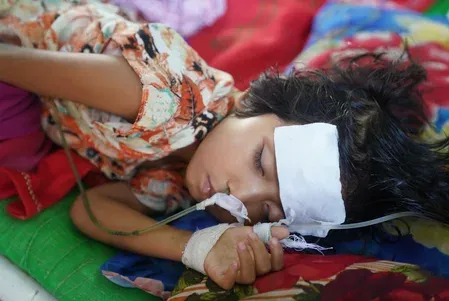
The outbreak was first detected in Panchmahal district, where two young children died in early July after presenting with symptoms associated with Chandipura infection. Those deaths triggered intensified surveillance, expanded testing, and vector-control operations in the affected areas.
By 20 July, the Health Department had reported 63 suspected cases, with 12 testing positive and results for eight samples still pending. The case count accelerated through late July and into August, with infections reported from different parts of Gujarat rather than being confined to a single village or district.
Earlier reports indicated that all confirmed patients were below 15 years of age — a pattern consistent with the virus's known epidemiology, which disproportionately affects children.
What Is Chandipura Virus
Chandipura virus is a vector-borne infection primarily transmitted through sandfly bites. It can cause acute encephalitis syndrome — a severe inflammation of the brain — and is known to occur more frequently during the monsoon period, when sandfly populations are higher. The disease has a documented history of outbreaks in central and western India, with children particularly vulnerable to severe outcomes.
Government Response and Precautions
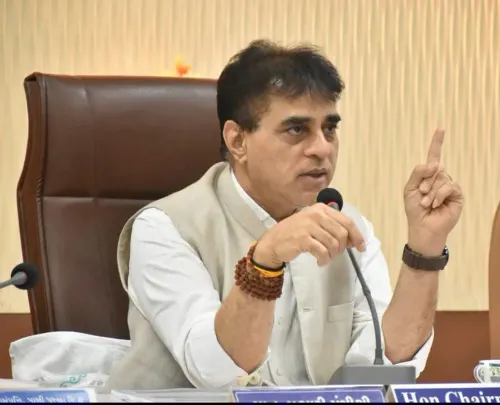
Health Minister Praful Pansheriya has said the department is closely monitoring affected areas, investigating patients' travel and case histories, and strengthening vector-control measures. He also confirmed that laboratory testing was being expedited to ensure timely diagnosis.
Earlier in the outbreak, the Health Department directed doctors to refer suspected paediatric cases without delay to hospitals equipped with oxygen and ventilator facilities — an advisory that underscores the severity of complications the virus can cause in young patients.
What to Watch
With 13 laboratory reports still pending, the confirmed case count could shift in the coming days. Health authorities are maintaining active surveillance across the state. The spread of infections beyond Panchmahal to multiple districts signals that containment remains a challenge, and the approaching peak of the monsoon season may sustain sandfly transmission pressure in the near term.
Point of View
Yet Chandipura virus remains poorly understood outside specialist circles. The pattern here — rapid spread across districts once a single cluster is detected, with all confirmed fatalities in children — is consistent with past outbreaks in 2003 and 2004 that killed hundreds across Maharashtra and Andhra Pradesh. The state's response has been procedurally sound, but the pending lab results and the absence of a licensed vaccine mean Gujarat is managing a dangerous pathogen with surveillance and vector-control alone. If the monsoon season sustains sandfly activity for another six to eight weeks, the case count could climb substantially before transmission slows.
NationPress
25 Sept 2026
Frequently Asked Questions
What is Chandipura virus and why is it dangerous?
Chandipura virus is a vector-borne pathogen transmitted primarily through sandfly bites that can cause acute encephalitis syndrome — a severe brain inflammation — particularly in children. It has no licensed vaccine and can progress rapidly to death, making early hospitalisation critical.
How many Chandipura virus cases and deaths has Gujarat reported?
As of 10 August 2024, Gujarat has reported 225 suspected cases and 39 laboratory-confirmed infections, with 25 deaths among confirmed patients. Laboratory results for 13 samples are still awaited.
Who is most at risk from the Chandipura virus outbreak in Gujarat?
All confirmed patients in the current Gujarat outbreak were reportedly below 15 years of age, consistent with the virus's known tendency to cause severe disease in children. The Health Department has specifically advised expedited referral of suspected paediatric cases to facilities with oxygen and ventilator support.
Where did the Gujarat Chandipura outbreak begin?
The outbreak was first detected in Panchmahal district, where two young children died in early July 2024 after developing symptoms associated with Chandipura infection. Cases have since been reported from multiple districts across Gujarat.
What is the Gujarat government doing to contain the outbreak?
The Health Department has intensified surveillance and vector-control measures, expedited laboratory testing, and directed doctors to refer suspected paediatric cases without delay to hospitals equipped with oxygen and ventilators. Health Minister Praful Pansheriya has said the department is actively investigating patients' travel and case histories across affected areas.