Gujarat Operation Health: 175 highway hotels get hygiene notices
Synopsis
One in four highway hotels inspected in Gujarat failed basic hygiene checks. Under Operation Health, 175 of 691 eateries got notices and spoiled stock was destroyed at 14. Lab results could now lead to court cases and permanent sealing. A parallel crackdown targets frozen desserts sold as ice cream.
Key Takeaways
Gujarat served notices on 175 highway hotels under Operation Health , Health Minister Praful Pansheriya said on 26 November 2026 .
The Food and Drugs Department inspected 691 hotels , and 516 were found satisfactory.
Suspicious food stock was destroyed at 14 hotels , with samples sent for lab testing.
Substandard lab results could lead to court cases and permanent sealing of the establishments.
1,477 locations , including 786 ice cream and frozen dessert units, have been inspected so far.
Outlets must now display boards distinguishing ice cream from frozen desserts .
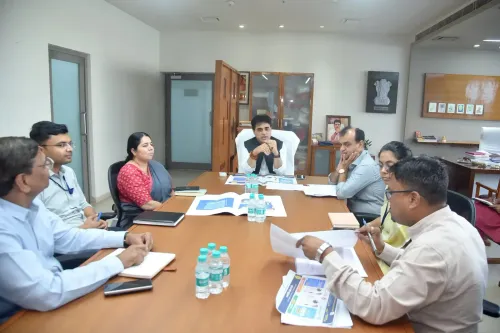
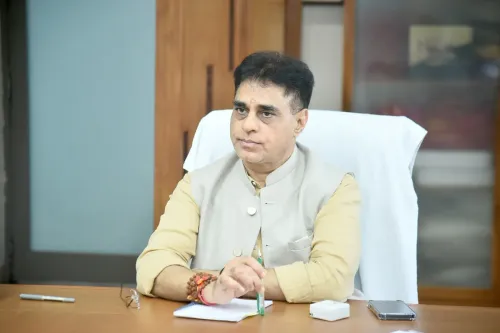
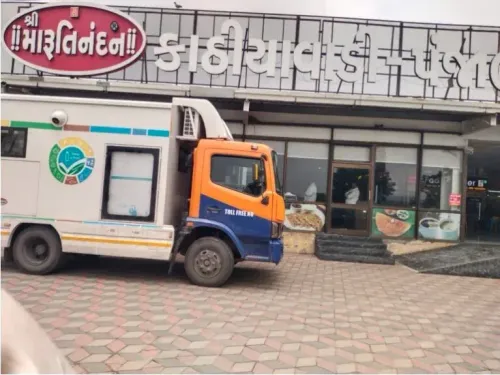
Gujarat's food safety regulator has served notices on 175 highway hotels for unhygienic kitchens and unsafe food-handling practices under the statewide 'Operation Health' campaign, Health Minister Praful Pansheriya said in Gandhinagar on Thursday, 26 November 2026. The action followed inspections of 691 hotels along major highways by the Food and Drugs Department. Suspicious food stock was also found and destroyed at 14 establishments.
Key Findings From the Highway Hotel Inspections
Inspectors found poor kitchen hygiene, unclean premises and unhygienic food-serving practices at 175 of the 691 highway hotels checked during the drive. That means roughly one in four inspected establishments failed basic hygiene standards.
According to the minister, the affected operators shut their businesses on their own after receiving notices. “Following the notices, the operators voluntarily closed their establishments to undertake cleaning and make improvements in accordance with food safety regulations,” Pansheriya said.
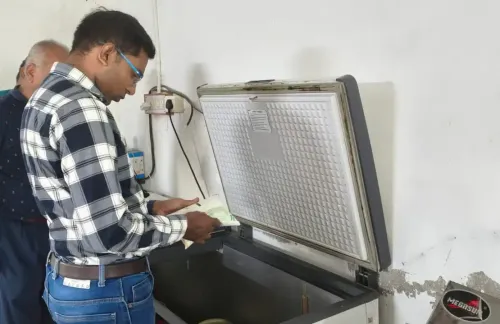
The remaining 516 hotels were rated satisfactory, but they too were directed to make further improvements. At 14 hotels, officials found suspicious and unhygienic food stock. It was destroyed on the spot, and samples were sent to laboratories for analysis.
Legal Action Awaits Lab Reports
The government has signalled that the notices may not be the last step. “Officials had been instructed to initiate legal proceedings against the concerned hotel operators if laboratory reports found the samples to be substandard or revealed serious deficiencies,” Pansheriya said.
Possible action includes filing cases before the competent court and permanently sealing the establishments. The outcome now depends on laboratory results for the samples collected from the 14 flagged hotels.
Ice Cream vs Frozen Dessert Labelling Drive
The highway checks are one part of a wider campaign. In total, 1,477 locations have been inspected under Operation Health, including 786 ice cream and frozen dessert units.
Of those units, 590 were selling only ice cream, 32 sold only frozen desserts, and 164 sold both. The department has started making sure these outlets put up mandatory display boards that distinguish the two products.
“The move is aimed at preventing consumers from being misled by being sold frozen desserts in the name of ice cream,” the minister said. Frozen desserts are typically made with vegetable fats rather than milk fat. Clear labelling helps buyers know what they are paying for.
New Hygiene Directions for Food Businesses
Pansheriya directed that kitchens in all hotels, restaurants and student hostels must be kept clean. This applies whether they fall under municipal corporation limits or in areas administered by the state Health Department.
Staff and waiters at food establishments must wear hand gloves and head caps and strictly follow all prescribed hygiene requirements. The minister warned that if any establishment serves unhygienic food, or if a food poisoning incident occurs, the operator concerned will bear full responsibility.
What It Means for Consumers
“Obtaining pure and wholesome food is a fundamental right of every consumer,” Pansheriya said. He urged citizens to stay vigilant and to ask hotel operators about kitchen hygiene and how uncovered food is handled.
“Citizens who notice unhygienic conditions or negligence can lodge complaints with the district offices of the Food and Drugs Regulatory Authority, which would take immediate action,” he said.
The department has said Operation Health will continue in the coming period. Laboratory findings from the 14 flagged hotels will decide whether the drive moves from notices to prosecutions and sealing orders.
Point of View
But 'voluntary closures' after a notice set a low bar for accountability. The real test is whether lab reports lead to actual prosecutions and sealing orders, or whether the drive fades once the campaign ends. The ice cream labelling push is a quietly important consumer-rights fix that deserves to be copied by other states.
NationPress
26 Nov 2026
Frequently Asked Questions
What is Gujarat's Operation Health campaign?
It is a statewide food safety drive by Gujarat's Food and Drugs Department to make sure consumers get safe and hygienic food. It has covered 1,477 locations so far, including highway hotels and ice cream and frozen dessert units.
How many highway hotels received notices under Operation Health?
175 highway hotels received notices for unhygienic kitchens, unclean premises and unsafe food-serving practices. They were among 691 hotels inspected along major highways in Gujarat.
What action can be taken against the hotels?
If laboratory reports find samples substandard or show serious deficiencies, officials will start legal proceedings. Action could include filing cases before a competent court and permanently sealing the establishments.
Why must outlets display ice cream and frozen dessert boards?
The boards are meant to stop consumers from being misled by being sold frozen desserts in the name of ice cream. Of 786 units inspected, 590 sold only ice cream, 32 only frozen desserts and 164 sold both.
How can citizens complain about unhygienic food in Gujarat?
Citizens can lodge complaints with the district offices of the Food and Drugs Regulatory Authority. According to Health Minister Praful Pansheriya, these offices will take immediate action.