CM Dhami flags prosecution overhaul on Constitution Day
Synopsis
On Constitution Day, Uttarakhand CM Pushkar Singh Dhami said the state is upgrading the Prosecution Department through officer training, technology, digital case monitoring and awareness of new criminal laws, aiming at faster convictions and time-bound justice for victims. MLA Vinod Chamoli attended.
Key Takeaways
Uttarakhand Chief Minister Pushkar Singh Dhami on 26 November 2026 stressed reforms in the state Prosecution Department on Constitution Day.
Focus areas include officer training, modern technology, digital monitoring of cases and public awareness of new criminal laws.
He said the state is working to convict the guilty and give victims time-bound justice through court advocacy and scientific evidence.
India's new criminal codes — Bharatiya Nyaya Sanhita, Bharatiya Nagarik Suraksha Sanhita and Bharatiya Sakshya Adhiniyam — took effect in July 2024 .
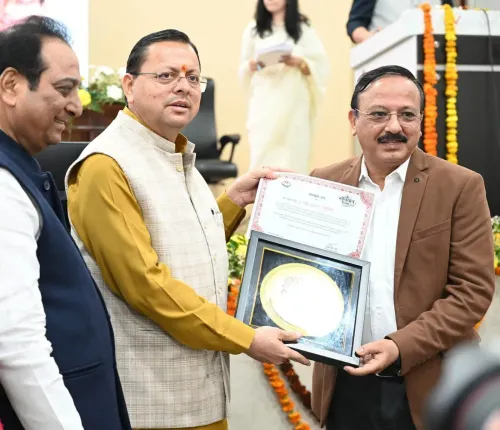
MLA Vinod Chamoli and other dignitaries attended the occasion.
On 26 November 2026, Uttarakhand Chief Minister Pushkar Singh Dhami used Constitution Day to put prosecutors, not just the statute book, at the centre of legal reform. Train them. Digitise the case file. Collect evidence scientifically. That, he said, is how the guilty get sentenced and victims get justice on a clock.
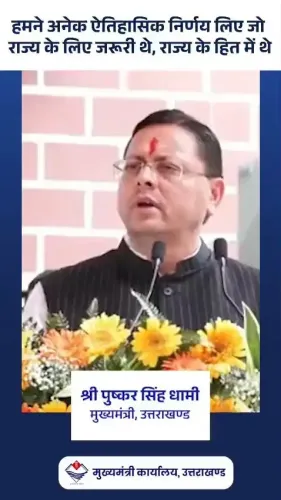
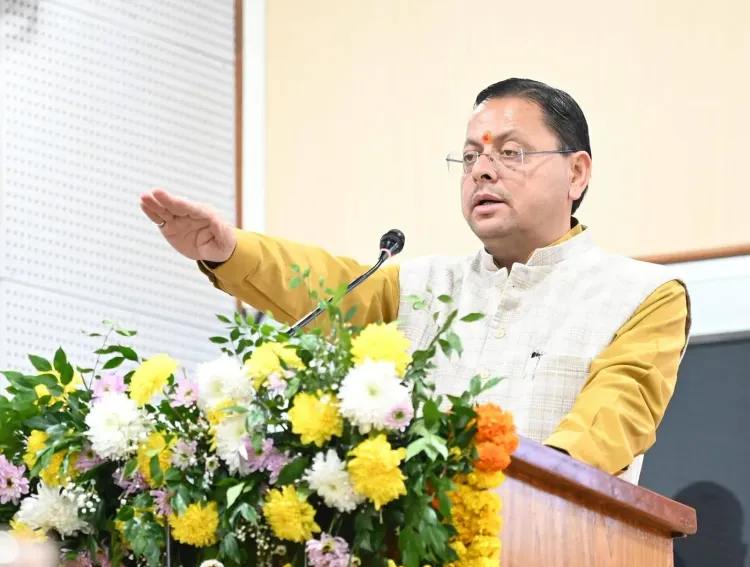
Posting on X, Dhami said special emphasis is being placed on raising the efficiency of the Prosecution Department, training prosecution officers, using modern technology, digitally monitoring cases, and widening public awareness of the new criminal laws. He added that the government is working with commitment to punish the guilty and ensure time-bound justice for victims through effective advocacy in courts and the scientific collection and strong presentation of evidence. MLA Vinod Chamoli and other dignitaries were present, he noted, marking Constitution Day.
Officer training, technology and digital case watch
The Uttarakhand Prosecution Department is the state's courtroom engine. Once police finish an investigation, prosecutors decide how the case is argued. Dhami's list is operational, not ornamental: capacity of the department, training of officers, modern tools, and digital monitoring so files do not drift.
He framed it as a push for अभियोजन विभाग की कार्यक्षमता (the working capacity of the Prosecution Department). That matters because the law itself has already changed. From July 2024, the colonial-era Indian Penal Code, Criminal Procedure Code and Evidence Act gave way to the Bharatiya Nyaya Sanhita, the Bharatiya Nagarik Suraksha Sanhita and the Bharatiya Sakshya Adhiniyam. A prosecutor still thinking in the old codes loses time. Victims cannot afford that loss.
Scientific evidence and time-bound justice
Dhami tied the upgrade to a single courtroom outcome. Convict the guilty. Deliver justice on a timetable. That, he said, requires effective advocacy, scientific collection of evidence and its strong presentation — not a weak paper trail that collapses under cross-examination.
Public awareness of the new criminal laws sits in the same package. If citizens do not know what the new codes actually do, complaints, testimony and expectations stay stuck in an older legal language. Several Indian states have run prosecutor training and case-tracking digitisation drives since the 2024 overhaul, aiming to lift conviction quality. Uttarakhand has now put that same sequence on the public record.
The Chief Minister did not name a software platform, a training calendar or a conviction target. What he named is the method: people, technology, digital watch, and science in the evidence chain.
Constitution Day, with the legislator in the room
Constitution Day falls every 26 November, marking the adoption of the Indian Constitution. Dhami used the date to talk about the machinery that makes constitutional rights real in a criminal court. Vinod Chamoli, a BJP legislator from Uttarakhand, attended with other dignitaries.
For a hill state, the stakes sit with both prosecutors and victims: delayed trials, thin evidence, and a nationwide code rewrite that is still bedding in. The calendar day is over. The test is whether training, technology and scientific evidence change what a victim hears when a case finally reaches court.
Point of View
Evidence chains and case tracking shift with it. Uttarakhand is aligning with a wider post-overhaul pattern of prosecutor training and digitisation. The political test is mundane and measurable: whether those tools show up as cleaner, quicker courtroom outcomes rather than another announcement on a national calendar day.
NationPress
26 Nov 2026
Frequently Asked Questions
What did CM Pushkar Singh Dhami say on Constitution Day 2026?
He said Uttarakhand is focusing on Prosecution Department efficiency, officer training, modern technology, digital case monitoring and public awareness of new criminal laws. He also said the state is working to convict the guilty and deliver time-bound justice to victims through court advocacy and scientific evidence.
Which new criminal laws was Dhami referring to?
India's colonial-era IPC, CrPC and Evidence Act were replaced from July 2024 by the Bharatiya Nyaya Sanhita, Bharatiya Nagarik Suraksha Sanhita and Bharatiya Sakshya Adhiniyam. Dhami linked awareness of these laws to the prosecution upgrade.
Who attended the Constitution Day event with CM Dhami?
Uttarakhand BJP legislator Vinod Chamoli and other dignitaries were present, according to the Chief Minister's post. The post did not name a specific venue.
Why is Uttarakhand upgrading its Prosecution Department?
Dhami tied the upgrade to effective court advocacy, scientific collection of evidence and strong presentation so the guilty are punished and victims receive justice on time. Several Indian states have run similar capacity-building after the 2024 criminal law overhaul.
When is Constitution Day observed in India?
Constitution Day is observed every year on 26 November, marking the adoption of the Indian Constitution. Dhami's remarks were posted on that day in 2026.