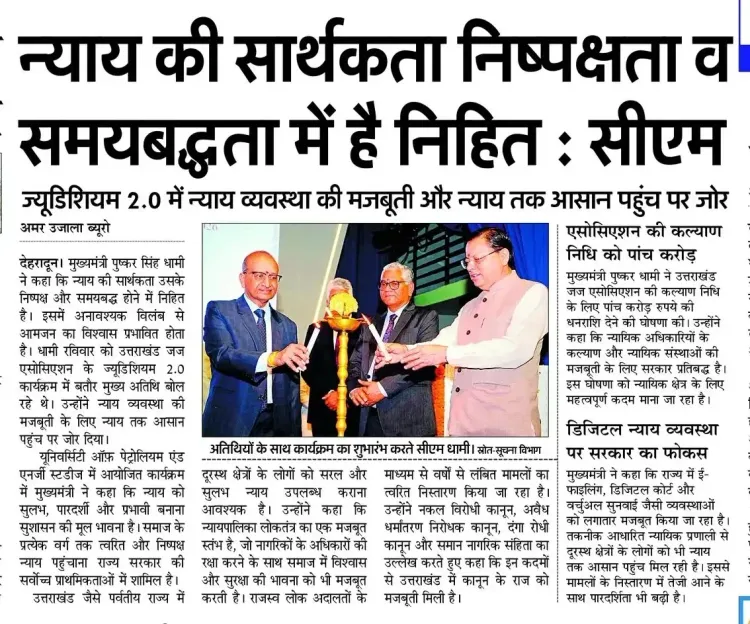
CM Dhami participates in Judicium 2.0 judicial conference
Synopsis
Chief Minister Pushkar Singh Dhami attended the Uttarakhand Judges Association's annual conference 'Judicium 2.0: Inclusion, Access and Strengthening' on June 8, 2026, reflecting the state government's direct engagement with judicial reform and access-to-justice priorities in a geographically challenging Himalayan state.
Key Takeaways
CM Pushkar Singh Dhami participated in the Uttarakhand Judges Association's annual conference on June 8, 2026 .
The conference was themed 'Judicium 2.0: Inclusion, Access and Strengthening' , focusing on judicial reform priorities.
Uttarakhand has maintained its own High Court since December 2000 , with judicial infrastructure built for a Himalayan state.
Key stakeholders include judicial officers and litigants across the state's dispersed hill districts.
Possible follow-ups include state budget provisions for district court infrastructure and expansion of e-filing in Uttarakhand courts.
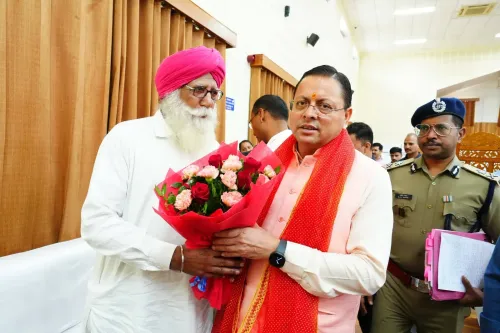
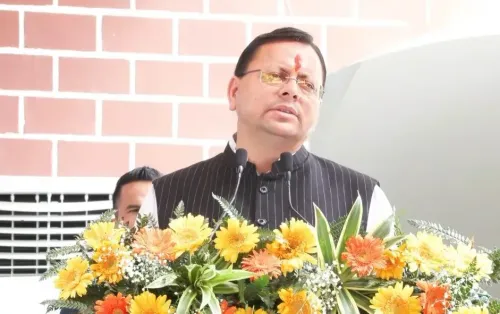
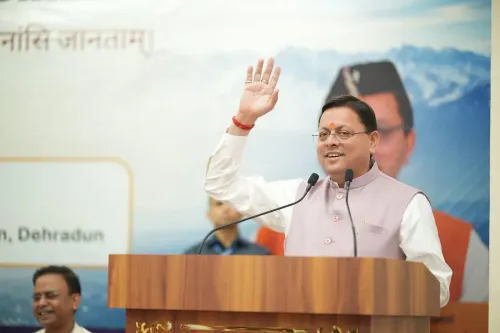
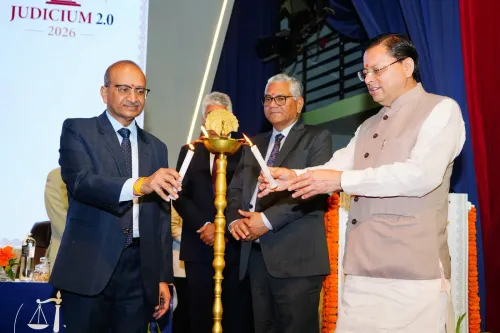
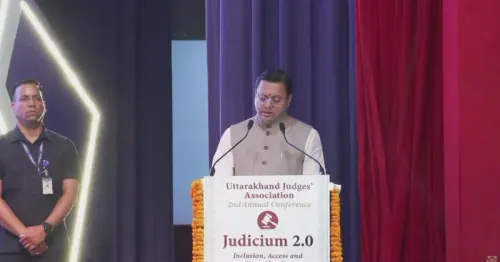
The Chief Minister's Office of Uttarakhand announced on Monday, June 8, 2026 that Chief Minister Pushkar Singh Dhami participated in the annual conference of the Uttarakhand Judges Association, themed 'Judicium 2.0: Inclusion, Access and Strengthening', underscoring the state government's engagement with judicial reform priorities.
Context
The conference, organised by the Uttarakhand Judges Association, brought together judicial officers of the state under the banner of Judicium 2.0 — a theme centred on inclusion, access to justice, and institutional strengthening. Chief Minister Dhami's participation signals the executive's willingness to engage directly with the judiciary on issues of court infrastructure and litigant access. Such high-level attendance at judicial forums is consistent with a broader national pattern of state governments actively supporting judicial modernisation efforts.
Policy Backdrop
Uttarakhand has had its own High Court since December 2000, when the state was carved out, necessitating the construction of independent judicial infrastructure suited to a Himalayan geography with dispersed and often remote populations. The state's judicial system faces distinct challenges — difficult terrain, seasonal road closures, and limited digital connectivity in hill districts — that make access to justice a particularly pressing concern. National initiatives such as the e-Courts project, running since the early 2000s, have provided a framework within which states like Uttarakhand have sought to expand e-filing and virtual hearing capacities at the district level.
Stakeholders and Impact
The primary stakeholders of any judicial strengthening initiative in Uttarakhand are the state's judicial officers and the litigants they serve — many of whom travel long distances from remote hill villages to access district courts. Conferences such as Judicium 2.0 provide a platform for judges to flag infrastructure gaps, propose procedural reforms, and align with state government priorities on budgetary support. CM Dhami's presence at the event lends political weight to any recommendations that emerge, potentially accelerating administrative follow-through.
What's Next
Observers will watch for whether the Uttarakhand government follows up the conference with concrete budgetary provisions for district court infrastructure or announcements regarding the expansion of e-filing facilities at the Uttarakhand High Court. The annual nature of the Judges Association conference means that commitments made in this forum are typically tracked year-on-year by the judicial community. Any policy announcements stemming from Judicium 2.0 would reflect the state's seriousness in translating executive-judicial dialogue into tangible improvements for ordinary litigants across the state's thirteen districts.
Point of View
Not merely an administrative matter. In a state where terrain is a structural barrier to justice, executive presence at such forums carries practical significance — it can unlock budgetary and administrative support that judicial bodies cannot secure on their own. This fits a broader pattern across BJP-governed states of chief ministers visibly aligning with institutional reform agendas, particularly ahead of budget cycles. The real test will be whether 'Judicium 2.0' translates into measurable outcomes for litigants in remote hill districts.
NationPress
22 Oct 2026
Frequently Asked Questions
What is Judicium 2.0 in Uttarakhand?
Judicium 2.0 is the annual conference of the Uttarakhand Judges Association, themed 'Inclusion, Access and Strengthening', aimed at discussing judicial reform, court infrastructure, and access to justice in the state.
Why did CM Pushkar Singh Dhami attend the judges conference?
CM Dhami attended to demonstrate the state government's commitment to supporting judicial strengthening, a practice consistent with state executives engaging judicial forums on infrastructure and reform priorities.
What are the main judicial challenges in Uttarakhand?
Uttarakhand's dispersed Himalayan population, difficult terrain, and seasonal road closures make physical access to district courts difficult, making digital and infrastructural reforms particularly important for litigants.
When was the Uttarakhand High Court established?
The Uttarakhand High Court was established in December 2000, following the creation of Uttarakhand as a separate state carved out of Uttar Pradesh.
What follow-up actions are expected after Judicium 2.0?
Possible follow-ups include state budget allocations for district court infrastructure and announcements on expanding e-filing facilities at the Uttarakhand High Court.