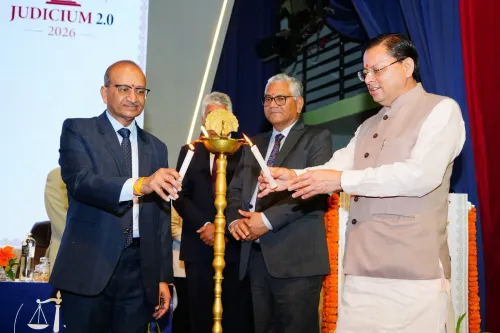
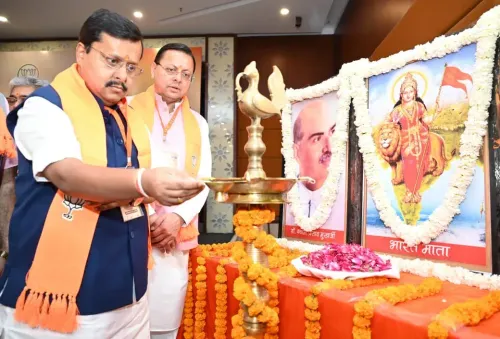
CM Dhami inaugurates Judicium 2.0 judicial conference in Dehradun
Synopsis
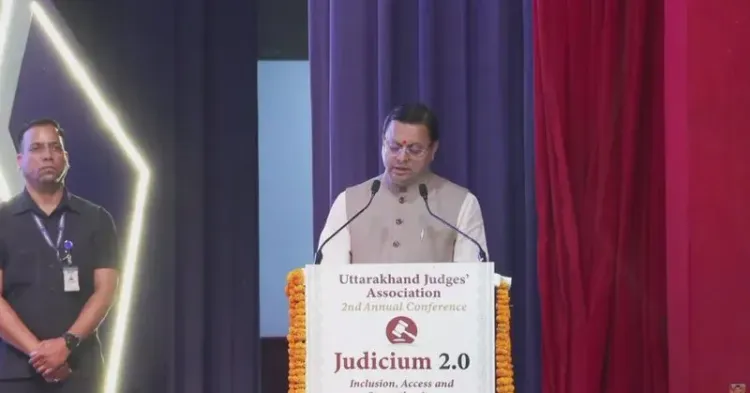
Uttarakhand CM Pushkar Singh Dhami inaugurated Judicium 2.0 in Dehradun on June 7, 2026 — a judicial conference organised by the Uttarakhand Judge Association focused on inclusion, access, and strengthening the state's justice delivery system.
Key Takeaways
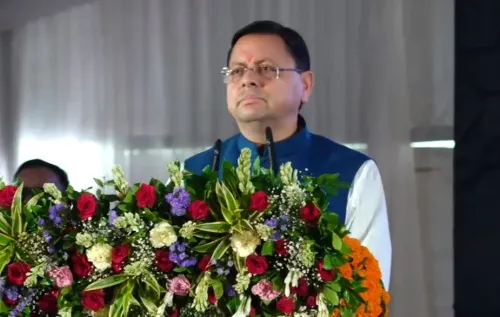
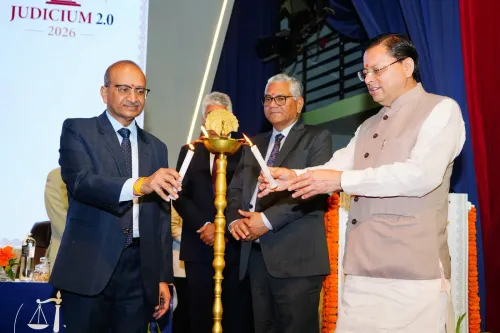
Uttarakhand Chief Minister Pushkar Singh Dhami inaugurated the opening session of Judicium 2.0 on June 7, 2026 .
The conference is organised by the Uttarakhand Judge Association and held in Dehradun .
The event's theme is 'Inclusion, Access and Strengthening' — addressing gaps in judicial reach and institutional capacity.
The conference is part of a broader national effort under the National Mission for Justice Delivery and Legal Reforms .
The e-Courts Mission Mode Project (launched 2005 ) provides the digital infrastructure backdrop for such state-level deliberations.
Follow-up budget allocations and legislative proposals on court infrastructure in Uttarakhand are expected to be informed by the event's outcomes.
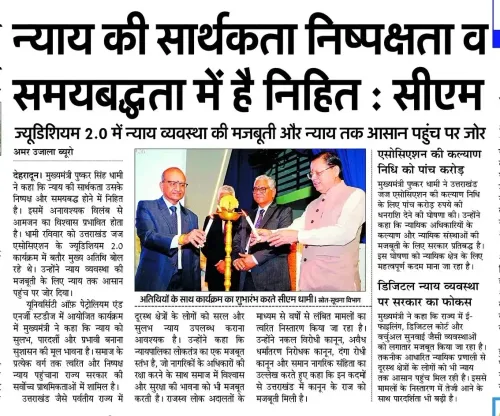
Uttarakhand Chief Minister Pushkar Singh Dhami on Sunday, June 7, 2026, inaugurated the opening session of Judicium 2.0: Inclusion, Access and Strengthening, a judicial conference organised by the Uttarakhand Judge Association in Dehradun. The event brings together judges and legal professionals to deliberate on expanding access to justice and reinforcing the institutional foundations of the state's judiciary.
Context
CM Dhami shared a live broadcast of the inauguration on social media, signalling the state government's engagement with the judicial community. The conference, titled 'Judicium 2.0: Inclusion, Access and Strengthening', is the second edition of a series organised by the Uttarakhand Judge Association, the state-level body of judges that convenes such forums on judicial administration and reform. Dehradun, the state capital, serves as the venue for the event.
Policy Backdrop
Conferences of this nature operate within the broader national framework of the National Mission for Justice Delivery and Legal Reforms, which seeks to reduce case pendency and improve citizen access to courts. The e-Courts Mission Mode Project, launched in 2005, has been a central pillar of this effort, driving the digitisation of district and subordinate courts across India. State-level judicial conclaves have increasingly become forums where ground-level challenges in implementing these national programmes are surfaced and debated.
Uttarakhand, like many Indian states, faces specific challenges around geographic access to justice — a hilly terrain with dispersed populations means that physical court infrastructure and digital connectivity are both critical concerns. Discussions at forums such as Judicium 2.0 typically feed into recommendations on infrastructure upgrades, procedural simplification, and inclusion measures for marginalised communities.
Stakeholders and Impact
The primary stakeholders of the conference are judges, lawyers, and court administrators within Uttarakhand's judicial ecosystem. Outcomes from such deliberations can shape state-level proposals on court digitisation, appointment of additional judicial officers, and legal aid expansion. Citizens who rely on subordinate courts — particularly in rural and semi-urban areas — stand to benefit most from any actionable reforms that emerge.
The participation of the Chief Minister at the inaugural session underscores the executive's interest in judicial efficiency, a priority that intersects with the state's broader governance agenda. Political visibility at judicial forums also signals to the legal community that infrastructure and resource requests are likely to receive administrative attention.
What's Next
The resolutions and recommendations adopted at Judicium 2.0 will be closely watched by legal professionals and policy observers. Any follow-through in the form of state budget allocations for court infrastructure, legislative proposals, or pilot programmes for digital access in remote districts would mark a concrete translation of the conference's stated themes into governance action. The event sets a benchmark for how Uttarakhand aligns its judicial administration with national reform goals in the months ahead.
Point of View
And associating the Chief Minister's office with a judiciary-led reform dialogue builds goodwill with the legal community ahead of any resource negotiations. The 'Inclusion, Access and Strengthening' framing also mirrors the Centre's language on judicial reforms, suggesting the state is positioning itself as a willing partner in national mission implementation. Whether the conference translates into measurable outcomes — additional court benches, expanded legal aid, or rural digitisation — will determine its lasting significance.
NationPress
22 Oct 2026
Frequently Asked Questions
What is Judicium 2.0 in Uttarakhand?
Judicium 2.0 is a judicial conference series organised by the Uttarakhand Judge Association, focused on themes of inclusion, access to justice, and strengthening judicial institutions. The 2026 edition was inaugurated by CM Pushkar Singh Dhami in Dehradun on June 7.
Who organised the Judicium 2.0 conference in Dehradun?
The conference was organised by the Uttarakhand Judge Association, a state-level body of judges that convenes events on judicial administration and reform.
What is the National Mission for Justice Delivery and Legal Reforms?
It is a central government initiative aimed at reducing case pendency in Indian courts and improving citizen access to the justice system, under which state-level judicial reforms are also guided.
What is the e-Courts Mission Mode Project?
Launched in 2005, the e-Courts Mission Mode Project is a national programme to digitise district and subordinate courts across India, improving case tracking and public access to judicial services.
What outcomes are expected from Judicium 2.0?
Observers will watch for resolutions on court digitisation, legal aid expansion, and judicial infrastructure in Uttarakhand, which could feed into subsequent state budget allocations or legislative proposals.