Gujarat inspects 386 hostels after Surat food poisoning; 194 samples sent for testing
Synopsis
A single dinner in Surat that left 85 students ill has triggered one of Gujarat's largest hostel hygiene audits — 386 facilities inspected, 194 samples sent for testing, two licences suspended, and the Health Minister putting food contractors and private hostel owners on notice for criminal cases if samples return contaminated.
Key Takeaways
Gujarat has inspected 386 hostels and canteens statewide following a suspected food poisoning incident at PP Savani International School in Surat on 13 September 2026 .
194 food samples have been sent for laboratory testing; the cause of illness has not yet been formally confirmed as food poisoning.
Around 85 students from a hostel housing 2,200 residents reported stomach pain and vomiting after dinner.
Authorities have issued 102 improvement notices , suspended licences of 2 establishments , and seen 18 facilities voluntarily shut for cleaning.
Health Minister Praful Pansheriya has warned of police cases and court proceedings in the second round of inspections; drive to extend to ashram schools .
Hostel managements have been asked to form parents' committees for weekly kitchen monitoring.
The Gujarat government has inspected 386 hostels and canteens across the state as part of a statewide food safety crackdown triggered by a suspected food poisoning incident at a student hostel in Surat, with 194 food samples dispatched for laboratory testing and licences of two establishments suspended. The sweep — one of the most expansive hostel audits the state has undertaken in recent years — is ongoing, with authorities warning of police cases and court action against non-compliant facilities.
What Triggered the Crackdown
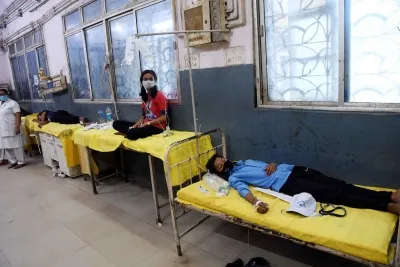
The drive was set in motion after around 85 students at the hostel of PP Savani International School in Surat complained of stomach pain and vomiting following dinner on 13 September 2026. The hostel housed approximately 2,200 students and staff. Several students began experiencing symptoms within hours of the meal and were taken to hospital for treatment, according to reports.
The dinner that evening reportedly included paneer-mutter, roti, fried rice, and buttermilk. The Surat Municipal Corporation collected food samples from the hostel kitchen for testing. Notably, authorities have clarified that the cause has not yet been formally established as food poisoning — investigations and sample testing are still underway.
Scale of Inspections and Findings
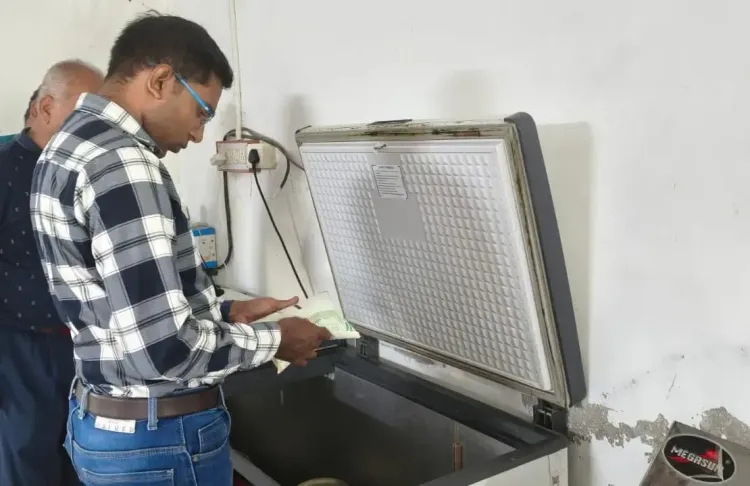
Of the 386 facilities inspected so far, 100 are government-run, 71 are semi-government, and 213 are private. Authorities have issued 102 improvement notices, and 18 hostels or canteens voluntarily shut down to undertake cleaning and corrective measures. Around 200 hostels cleaned their kitchens after being found deficient.
An earlier phase of the drive had covered 200 facilities, with 61 improvement notices issued, 114 samples collected, 10 establishments voluntarily shut, and one licence suspended. The latest round has pushed cumulative inspections to 386 and total samples to 194.
What the Health Minister Said
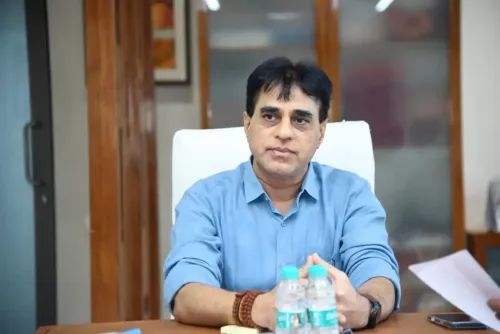
Health Minister Praful Pansheriya said inspections had uncovered unhygienic conditions in the kitchens of several hostels and made clear that accountability would be enforced. 'Especially when cases of food poisoning occur inside hostels, the complete responsibility lies with the hostel, and such incidents happen because of their serious negligence,' Pansheriya said.
He noted that parents pay fees to place their children in private hostels, while the government incurs expenditure on government-run facilities — making hygiene a non-negotiable obligation for management. 'A lot of dirt and unhygienic conditions have been found in the kitchens of several hostels. Notices have also been issued to them to improve cleanliness,' he added.
Escalating Consequences for Violators
Pansheriya warned that the second round of inspections would carry sharper consequences. 'When the second round takes place in the coming days, we will file police cases and cases in the honourable court against them. If any of the 194 samples collected are found to be doubtful or adulterated, we will certainly file a case against that hostel in the honourable court,' he said.
On the question of accountability, the minister drew a clear line: food contractors will be directly responsible for lapses in government hostels, while private owners bear responsibility in privately run facilities. 'No one will be able to escape responsibility,' he stated. The inspection drive will also be extended to ashram schools, and the Health Department is set to hold discussions with the Education Department to bring hostels under its jurisdiction into the monitoring framework.
What Comes Next
Inspections are set to continue until every hostel in Gujarat has been checked, with authorities pledging raids wherever complaints are received or similar incidents recur. Pansheriya also called on hostel and school managements to constitute parents' committees that visit kitchens weekly and monitor hygiene standards. The forward-looking measure signals a shift from reactive enforcement to a structured, community-monitored oversight model — the durability of which will depend on whether the institutional will outlasts the immediate controversy.
Point of View
But the real measure is what happens after the samples come back. India's hostel food-safety record is littered with post-incident flurries of notices that quietly lapsed once public attention moved on. The minister's threat of police cases and court action is a meaningful escalation — but only if the second round actually files FIRs rather than issuing another batch of improvement notices. The proposed parents' committee model is the most structurally interesting element here: if institutionalised, it creates a persistent oversight layer that doesn't depend on government bandwidth. Whether it survives beyond the current controversy is the question mainstream coverage isn't asking.
NationPress
16 Sept 2026
Frequently Asked Questions
What happened at PP Savani International School in Surat?
Around 85 students at the hostel of PP Savani International School in Surat complained of stomach pain and vomiting after dinner on 13 September 2026. The hostel housed approximately 2,200 students and staff, and several affected students were taken to hospital for treatment. The exact cause has not yet been formally confirmed as food poisoning — investigations and sample testing are ongoing.
How many hostels has Gujarat inspected so far?
Gujarat has inspected 386 hostels and canteens in total — 100 government-run, 71 semi-government, and 213 private. Authorities have issued 102 improvement notices, suspended licences of two establishments, and seen 18 facilities voluntarily shut for cleaning and corrective action.
What action will be taken against hostels that fail food safety checks?
Health Minister Praful Pansheriya has warned that the second round of inspections will result in police cases and court proceedings against non-compliant establishments. If any of the 194 samples collected are found contaminated or adulterated, the government has said it will file cases in court against the concerned hostel.
Who is responsible if food poisoning occurs in a hostel?
According to Minister Pansheriya, food contractors will be directly responsible for lapses in government hostels, while private hostel owners bear responsibility for privately run facilities. The minister stated that 'no one will be able to escape responsibility' in future incidents.
Will the inspection drive expand further?
Yes. The drive is set to continue until all hostels in Gujarat have been inspected, and will be extended to ashram schools as well. The Health Department also plans to coordinate with the Education Department to bring hostels under its jurisdiction into the monitoring framework.