Gujarat boat ambulances: 46% of 777 emergencies were pregnancy cases
Synopsis
Over eight years, Gujarat's two boat ambulances handled 777 emergencies — and nearly half were pregnancy-related. With one unit at Okha shouldering 93% of all cases, the data reveals just how heavily island communities like Beyt Dwarka depend on water-based emergency care where roads simply didn't exist.
Key Takeaways
Gujarat's two boat ambulances handled 777 medical emergencies between April 2018 and September 2026 .
Pregnancy-related complications were the largest category, accounting for 355 cases — nearly 46 per cent of total dispatches.
The Okha unit in Devbhumi Dwarka handled 720 cases (92.7%) ; the Porbandar unit handled 57 .
Severe abdominal pain ( 105 cases ), non-vehicular trauma ( 83 cases ), and cardiac emergencies ( 82 cases ) were the next most common reasons for dispatch.
Most pregnancy cases involved residents of Beyt Dwarka , where road access was previously unavailable.
Health Minister Praful Pansheriya said the government plans to extend emergency coverage to more coastal and island areas.
Pregnancy-related complications accounted for nearly 46 per cent of the 777 medical emergencies attended to by Gujarat's two boat ambulances between April 2018 and September 2026, according to state health data. The figures underline how water-based emergency services have become a critical lifeline for residents of remote islands and coastal communities in the state.
How the service operates
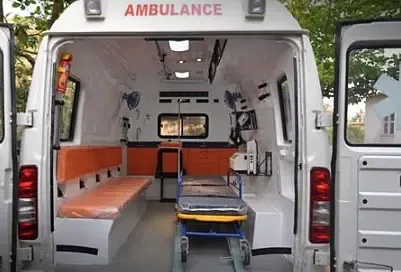
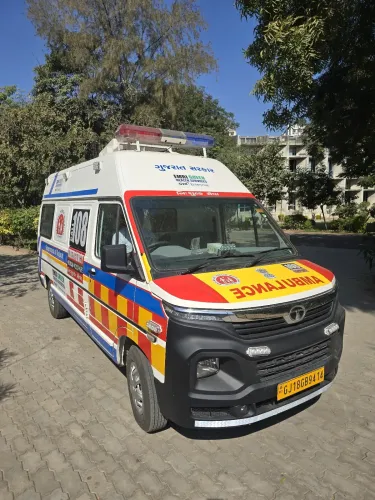
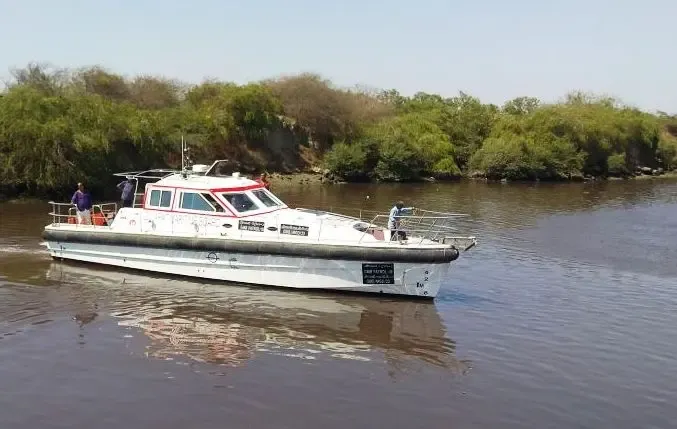
The boat ambulance programme runs under Gujarat's 108 Emergency Response Service, with two vessels in active deployment. One is stationed at Okha in Devbhumi Dwarka district and the other at Porbandar. Together, they provide pre-hospital care and patient transport to healthcare facilities in areas where road access is either difficult or entirely unavailable.
Key numbers: Who handled what
Of the 777 total emergency interventions recorded over the eight-year period, the Okha unit handled 720 cases — approximately 92.7 per cent of all dispatches — while the Porbandar unit responded to the remaining 57 cases.
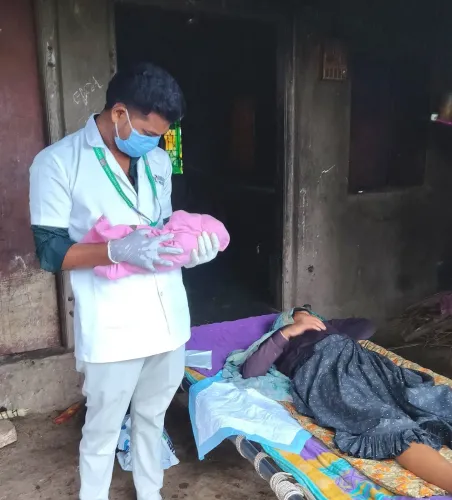
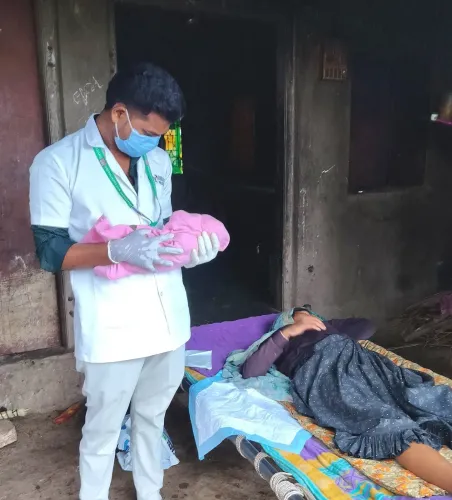
Pregnancy-related emergencies were the single largest category, accounting for 355 cases. The Okha unit handled 350 of these, with five attended to by the Porbandar vessel. Officials noted that most pregnancy cases involved residents of Beyt Dwarka, an island where road connectivity was previously unavailable, making boat transport essential for women needing obstetric care.
Severe abdominal pain was the second most common reason for dispatch, covering 105 cases — 91 at Okha and 14 at Porbandar. Non-vehicular trauma, including injuries sustained on fishing vessels, at docks, and in coastal zones, accounted for 83 cases (71 at Okha, 12 at Porbandar). Cardiac emergencies made up another 82 interventions, with 77 handled by the Okha unit and five by the Porbandar unit.
What the government said
State Health Minister Praful Pansheriya reaffirmed the government's commitment to extending healthcare to geographically isolated communities. 'Under the guidance of Chief Minister Bhupendra Patel, we are committed to providing healthcare services to every corner of the state, including at sea. Boat ambulances have been deployed to bridge healthcare gaps for island residents, coastal villages and offshore fishing crews. The fleet has delivered critical pre-hospital care and life-saving transportation across the region,' he said.
Why it matters
The data covers a span of over eight years, offering a rare long-term view of healthcare demand patterns in coastal Gujarat. The Okha unit's dominance — nearly 93 per cent of all cases — points to the acute need around Beyt Dwarka and nearby island clusters, where land-based infrastructure had long been inadequate. Notably, the programme predates the completion of a bridge connecting Beyt Dwarka to the mainland, suggesting the boat ambulances filled a structural gap at a critical juncture. The relatively low caseload at Porbandar, by contrast, may reflect better road connectivity along that stretch of coastline. Looking ahead, the state government has indicated it intends to expand emergency response coverage to further coastal and island communities.
Point of View
What does ante-natal care coverage on these islands actually look like? Celebration of the boat ambulance programme is warranted, but it should not obscure the upstream gap — the absence of adequately equipped primary health centres on the islands themselves — that makes emergency evacuation necessary in the first place.
NationPress
17 Oct 2026
Frequently Asked Questions
What is Gujarat's boat ambulance service?
Gujarat's boat ambulance service operates under the state's 108 Emergency Response Service, with two vessels stationed at Okha in Devbhumi Dwarka district and at Porbandar. The vessels provide pre-hospital care and transport patients in coastal and island areas where road access is unavailable or limited.
How many emergencies have Gujarat's boat ambulances handled?
The two boat ambulances handled a combined 777 medical emergencies between April 2018 and September 2026. The Okha unit accounted for 720 of these cases, while the Porbandar unit handled 57.
Why are pregnancy cases so high among boat ambulance emergencies?
Pregnancy-related complications were the most common reason for dispatch, making up 355 of 777 cases. Officials attribute this to residents of Beyt Dwarka, an island that previously lacked road connectivity, forcing expectant mothers to rely on boat transport to reach maternity facilities.
Which other emergencies do the boat ambulances attend to?
Beyond pregnancy cases, the boat ambulances respond to severe abdominal pain (105 cases), non-vehicular trauma such as fishing vessel injuries (83 cases), and cardiac emergencies (82 cases), based on data from April 2018 to September 2026.
What has the Gujarat government said about expanding the service?
State Health Minister Praful Pansheriya said the government, under Chief Minister Bhupendra Patel, is committed to extending healthcare — including emergency services — to every coastal and island community in Gujarat, signalling that further expansion of the boat ambulance programme is planned.