How has the ICMR Chief Praised Bengal's Response to the Nipah Virus Case?
Synopsis
In a recent visit to Kolkata, ICMR's Dr. Rajiv Bahl commended the West Bengal government's effective response to the Nipah virus outbreak, assuring the public of safety measures in place. The state’s proactive approach and collaboration with the Centre underline the importance of vigilance in managing health crises.
Key Takeaways
West Bengal's government has been proactive in managing the Nipah virus outbreak.
ICMR's commendation emphasizes collaboration with the Centre.
Timely surveillance and preventive measures are key to controlling spread.
No new cases reported, indicating effective containment.
Authorities stress ongoing monitoring for public health safety.
Kolkata, Feb 14 (NationPress) The Director General of the Indian Council of Medical Research (ICMR), Dr. Rajiv Bahl, expressed commendation for the West Bengal government’s swift and effective response to the recent case of the Nipah virus. He highlighted that the state has collaborated efficiently with the Centre to mitigate the virus’s spread.
During his visit to the ICMR-National Institute of Biomedical Genomics (ICMR-NIBMG) located in the Kalyani area of Kolkata, Dr. Bahl attended a ceremony unveiling a bust of the illustrious Padma Vibhushan recipient, Dr. Dilip Mahalanabis, celebrated for his groundbreaking contributions to oral rehydration therapy.
Addressing the Nipah virus situation, Dr. Bahl reassured that there is no cause for alarm, emphasizing that timely surveillance and preventive actions can effectively control the infection.
He pointed out that instances of Nipah virus infections were previously documented in West Bengal in 2001 and 2007, along with occurrences in Kerala, although the cases remained limited.
Dr. Bahl also praised the West Bengal government for its commendable proactive measures in monitoring and containment efforts.
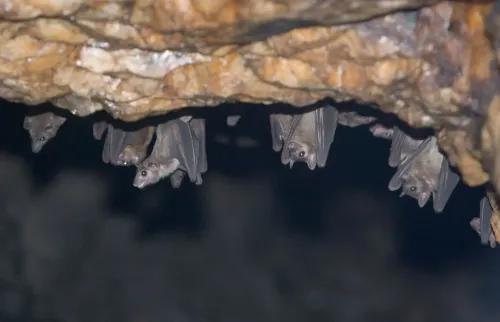
He further mentioned that evidence of the Nipah virus has been discovered in fruit bats across several states, including Uttar Pradesh, Bihar, Chhattisgarh, and Kerala, highlighting the critical need for ongoing surveillance.
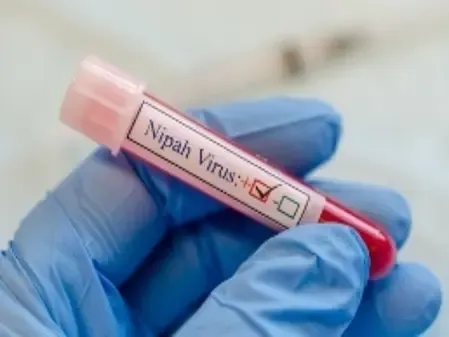
Recently, two nurses in West Bengal were diagnosed with the Nipah virus, one of whom sadly succumbed while receiving treatment at a hospital in Barasat within the North 24 Parganas district.
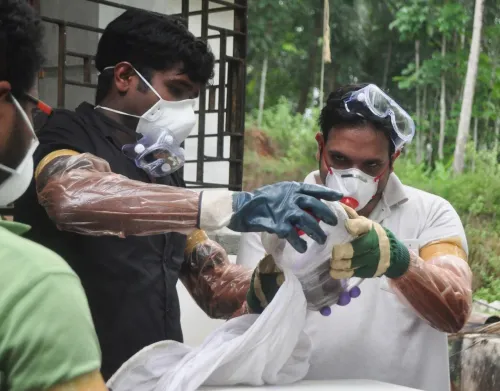
Officials from the state health department indicated that contact tracing was conducted to identify individuals who had been in proximity to the infected nurses. Tests on samples collected from these individuals returned negative.
As of now, no additional cases of the Nipah virus have been reported in the state.
The Nipah virus poses a significant health risk that has surfaced intermittently in various parts of India, including West Bengal and Kerala.
This virus primarily transmits through fruit bats and close human interactions.
Infected individuals typically exhibit symptoms such as fever, weakness, and, in severe cases, neurological complications.
With a notably high fatality rate, early detection of the Nipah virus is crucial. Health teams prioritize isolating patients and swiftly tracing contacts.
Authorities are diligently monitoring the situation to avert any further spread or public health threats.
Point of View
The response of West Bengal to the Nipah virus situation reflects a proactive approach, showcasing collaboration between state and central authorities. While the Nipah virus poses significant health risks, the effective measures taken ensure public safety and demonstrate the importance of preparedness in managing infectious diseases.
NationPress
15 Sept 2026
Frequently Asked Questions
What is the Nipah virus?
The Nipah virus is a zoonotic virus primarily transmitted through fruit bats and close human contact, associated with severe respiratory illness and neurological complications.
How does the Nipah virus spread?
The virus spreads mainly through direct contact with infected bats, contaminated food, or close human-to-human interactions.
What are the symptoms of Nipah virus infection?
Symptoms include fever, weakness, and in severe cases, neurological complications such as confusion and seizures.
What measures are being taken to control the Nipah virus?
Health authorities are conducting surveillance, contact tracing, and isolating infected individuals to prevent further spread.
Is there a vaccine for the Nipah virus?
Currently, there is no specific vaccine for the Nipah virus, making early detection and preventive measures critical.