What Hidden Blood Markers Are Researchers at IIT Bombay Studying to Detect Diabetes Risk?
Synopsis
A pioneering study by IIT Bombay researchers reveals that hidden blood markers may hold the key to identifying diabetes risk. This discovery could lead to earlier diagnoses and customized treatments, providing hope to millions affected by this increasingly prevalent disease in India.
Key Takeaways
The IIT Bombay study reveals hidden blood markers for diabetes risk.
Metabolomics can improve early detection and treatment.
India has a significant diabetes prevalence, with millions at risk.
Researchers identified 26 unique metabolites in their analysis.
Understanding these markers can lead to better health outcomes.
New Delhi, Nov 4 (NationPress) Researchers at the Indian Institute of Technology (IIT) Bombay have conducted a groundbreaking study on concealed blood markers that could indicate diabetes risk, marking a significant advancement for early diagnosis and tailored treatment options.
Frequently referred to as the diabetes capital of the world, India has approximately 101 million adults diagnosed with diabetes, alongside another 136 million individuals categorized as prediabetic.
Traditional tests such as fasting blood glucose and HbA1c capture only a limited portion of the intricate biochemical disruptions that characterize the disease, often failing to accurately identify those at the highest risk.
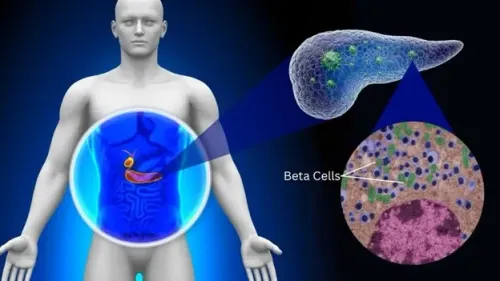
The IIT Bombay team employed metabolomics—the examination of small molecules within the blood—to uncover biochemical patterns that could assist in recognizing individuals susceptible to diabetes.
Metabolites are minuscule molecules in the body that mirror cellular activity. By analyzing these, subtle changes in body chemistry that occur before the onset of clinical symptoms can be observed.
“Type 2 diabetes encompasses more than just elevated blood sugar levels. It alters amino acids, fats, and additional metabolic pathways. Conventional tests frequently overlook this underlying activity, which may commence years prior to the emergence of clinical symptoms,” stated Sneha Rana, a doctoral researcher at IIT Bombay.
Published in the Journal of Proteome Research, the study involved collecting whole blood samples from 52 volunteers at Osmania General Hospital in Hyderabad between June 2021 and July 2022.
The sample group included 15 healthy individuals, 23 patients with type 2 diabetes, and 14 patients suffering from diabetic kidney disease (DKD). The researchers utilized two complementary techniques—liquid chromatography-mass spectrometry (LC-MS) and gas chromatography-mass spectrometry (GC-MS)—to analyze nearly 300 metabolites.
They identified 26 metabolites that varied between diabetic patients and healthy controls.
Some metabolites, like glucose, cholesterol, and 1,5-anhydroglucitol (a short-term blood sugar marker), were anticipated. However, others, such as valerobetaine, ribothymidine, and fructosyl-pyroglutamate, were previously unassociated with diabetes.
“This indicates that diabetes is a far more extensive metabolic disorder than merely glucose regulation,” noted Prof. Pramod Wangikar from the university.
Additionally, the team discovered that biochemical patterns could be instrumental in identifying diabetic patients who are at risk for kidney complications.
In comparing patients with kidney disease to other groups, they found seven metabolites that consistently increased from healthy participants to those with diabetic kidney disease.
These metabolites included sugar alcohols like arabitol and myo-inositol, alongside ribothymidine and a compound resembling a toxin known as 2PY, which accumulates when kidney function is compromised.
Point of View
It is crucial to highlight the innovative research being conducted at IIT Bombay. The exploration of hidden blood markers presents a promising avenue for early diabetes detection and personalized treatment, ultimately addressing a pressing health crisis in India. This study exemplifies the importance of scientific advancement in combating chronic diseases.
NationPress
27 Sept 2026
Frequently Asked Questions
What is the significance of the IIT Bombay study on diabetes?
The study highlights how hidden blood markers can lead to early detection of diabetes, allowing for more personalized treatment approaches.
How many metabolites were found to differ between diabetic and healthy individuals?
The research identified 26 metabolites that exhibited differences between diabetic patients and healthy controls.
What techniques were used in the study?
Researchers utilized liquid chromatography-mass spectrometry (LC-MS) and gas chromatography-mass spectrometry (GC-MS) to analyze blood samples.
Why is early detection of diabetes important?
Early detection of diabetes can significantly improve treatment outcomes and reduce the risk of complications associated with the disease.
What role do metabolites play in understanding diabetes?
Metabolites reflect the biochemical changes in the body, helping researchers identify risks and patterns associated with diabetes.