IMD heatwave alert: Northwest India to swelter for 4-5 more days, thunderstorms likely in hills
Synopsis
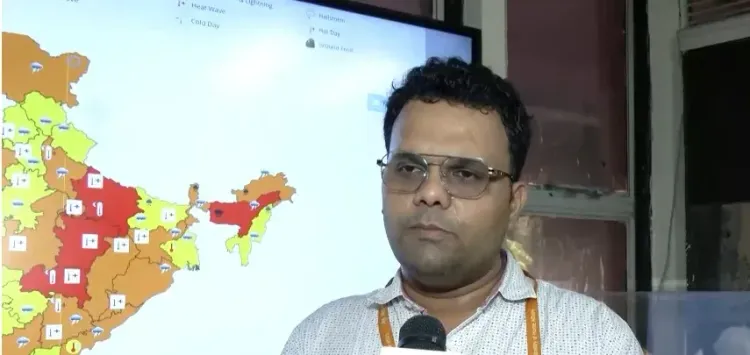
The IMD has issued a red alert for UP and MP with no significant relief in sight for at least four to five days. A western disturbance over J&K is the only wild card — bringing thunderstorms and possible hailstorms to the hills — but forecasters say it will do little to cool the scorching plains below.
Key Takeaways
The IMD has forecast heatwave conditions across northwest India for the next four to five days as of 24 May .
A red alert is in force for Uttar Pradesh and Madhya Pradesh ; a yellow alert covers Delhi , Punjab , Haryana , and Rajasthan .
An orange alert has been issued for Jammu & Kashmir due to a western disturbance likely to trigger thunderstorms and isolated hailstorms in Jammu .
Meteorologist Akhil Srivastava said thunderstorm activity is expected in Himachal Pradesh and Uttarakhand as well, but plains will see little relief.
The IMD has advised people to avoid peak afternoon sun, stay hydrated, and guard against heat-related illnesses.
Heatwave conditions are set to persist across large parts of northwest India for the next four to five days, the India Meteorological Department (IMD) warned on 24 May, maintaining a red alert for Uttar Pradesh and Madhya Pradesh and a yellow alert for Delhi, Punjab, Haryana, and Rajasthan. The forecast offers little immediate relief for millions already enduring punishing afternoon temperatures across the region.
Western Disturbance Triggers Hill Alerts
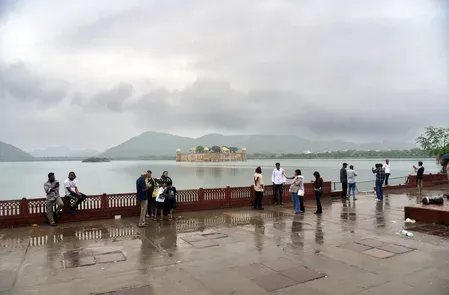
Meteorologist Akhil Srivastava said a western disturbance was currently centred over Jammu & Kashmir, making thunderstorm activity likely across the hilly states. 'Today, a western disturbance was centred over Jammu & Kashmir. In view of this, thunderstorm activity is likely in the hilly regions, mainly across Jammu & Kashmir, Himachal Pradesh and Uttarakhand,' he said.
Srivastava also flagged the possibility of hailstorms at isolated locations in Jammu, prompting the IMD to issue an orange alert for Jammu & Kashmir. 'There is also a possibility of a hailstorm at a few isolated places in Jammu. Keeping this in mind, an orange alert has been issued for Jammu & Kashmir,' he added.
Plains Unlikely to See Major Relief
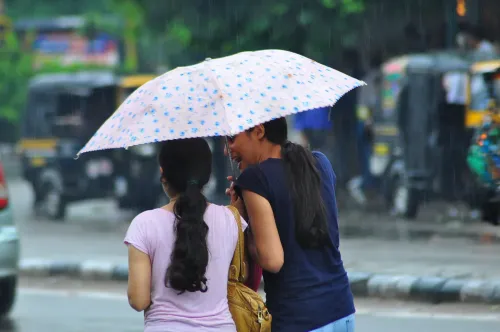
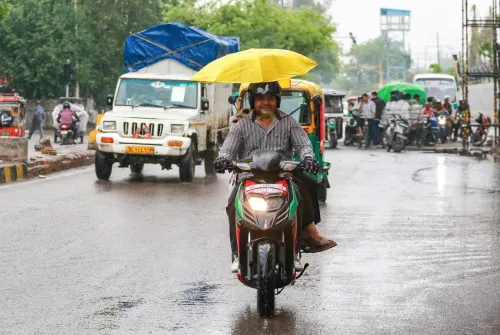
While isolated thunderstorm activity may occur in the plains as well, Srivastava cautioned that it is unlikely to bring any significant respite from the heat. 'The heatwave conditions currently prevailing over northwest India are expected to continue for the next four to five days, as there is little likelihood of any significant change in maximum temperatures,' he said.
This comes amid a prolonged high-temperature spell that has gripped north and central India, raising concerns over public health vulnerabilities and agricultural stress. Authorities are closely monitoring developments as the season enters its most intense phase.
Ground Reality in Chandigarh and Punjab
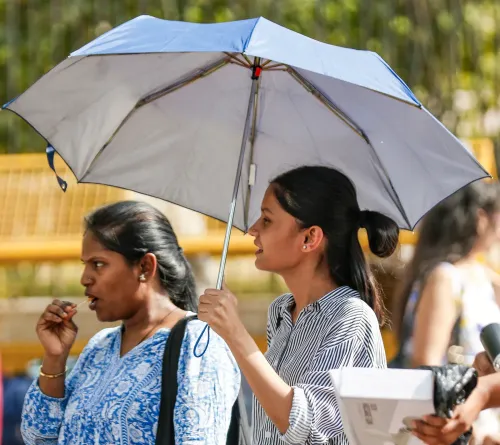
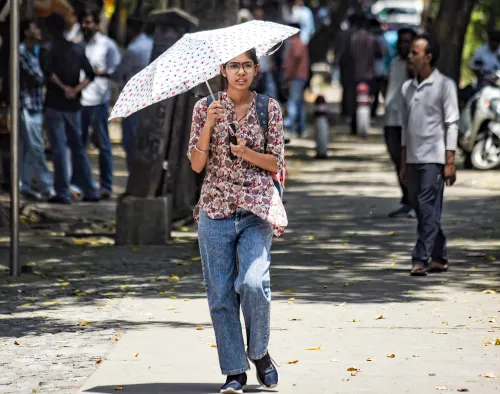
Heatwave conditions continued unabated across Chandigarh, Punjab, and parts of Himachal Pradesh on Sunday, with residents describing difficult daytime conditions. A Chandigarh resident noted that the heat was becoming a concern beyond just human discomfort. 'The heat is increasing a lot, and the temperature is rising significantly. We all should take care of ourselves as well as birds, animals, and trees,' the resident said.
IMD Advisory and Public Health Concerns
The IMD has advised residents in affected areas to avoid prolonged exposure to direct sunlight during peak afternoon hours, remain well-hydrated, and take precautions against heat-related illnesses such as heat stroke and exhaustion. Authorities across states are on alert, with health departments in Uttar Pradesh and Rajasthan reportedly activating heatwave response protocols. The coming days will be critical, with any shift in wind patterns or a strengthening of the western disturbance being the primary factors that could alter the forecast.
Point of View
But the real question is whether state-level response mechanisms are keeping pace. The western disturbance bringing hill thunderstorms is a meteorological footnote for the plains; it changes nothing for the millions in UP, Rajasthan, and Haryana bearing the brunt. India's heatwave early-warning infrastructure has improved since the deadly 2015 Andhra Pradesh crisis, but urban heat island effects and rural labour exposure remain chronically under-addressed in official advisories.
NationPress
27 Sept 2026
Frequently Asked Questions
How long will the heatwave last in northwest India?
According to the IMD, heatwave conditions are expected to persist across northwest India for the next four to five days from 24 May, with little likelihood of any significant drop in maximum temperatures during this period.
Which states are under red alert for heatwave?
The IMD has placed Uttar Pradesh and Madhya Pradesh under a red alert, the highest level of weather warning. Delhi, Punjab, Haryana, and Rajasthan are under a yellow alert.
Why has an orange alert been issued for Jammu & Kashmir?
A western disturbance centred over Jammu & Kashmir is expected to trigger thunderstorm activity and possible hailstorms at isolated locations in Jammu. The orange alert reflects this elevated risk of severe localised weather in the region.
Will the thunderstorms in the hills bring relief to the plains?
Meteorologist Akhil Srivastava has said that while isolated thunderstorm activity may occur in the plains, it is unlikely to provide any major relief from the prevailing heat. The core heatwave pattern is expected to remain intact.
What precautions has the IMD advised during the heatwave?
The IMD has advised people in affected regions to avoid prolonged exposure to direct sunlight during peak afternoon hours, stay well-hydrated, and take precautions against heat-related illnesses such as heat stroke and heat exhaustion.