Why is the Kerala govt doctors' strike still ongoing after 5 days?
Synopsis
The ongoing strike by doctors in Kerala has reached a critical stage, affecting healthcare services. After extensive discussions, postgraduate medicos have withdrawn their support, but senior doctors remain determined to secure their demands. The situation highlights pressing concerns over working conditions and compensation in the state's medical system.
Key Takeaways
The strike by Kerala's doctors has disrupted normal healthcare operations.
PG doctors have withdrawn from the protest after fruitful discussions with officials.
The government is working on addressing salary and workload concerns.
Emergency care continues despite the strike's impact.
Ongoing negotiations aim to resolve lingering issues in the medical field.
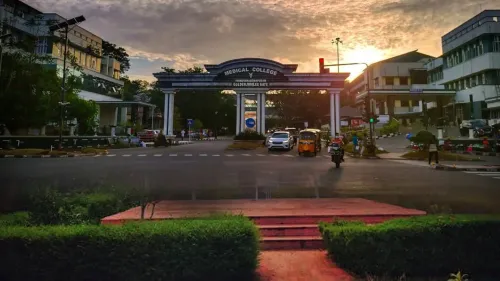
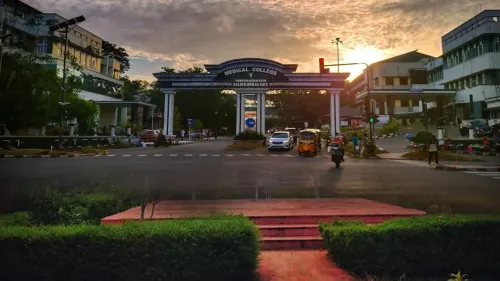
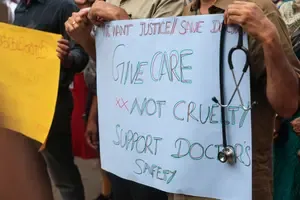
Thiruvananthapuram, Feb 20 (NationPress) The boycott of outpatient services by doctors at government medical colleges has reached its fifth day, as the Kerala Government Medical College Teachers’ Association (KGMCTA) continues to advocate for the resolution of longstanding demands.
In response, the government has enforced a “duty roster system” to monitor attendance, requiring doctors to fulfill their obligations for both OP duties and operation theatre schedules.
Attendance for those involved in the strike will be documented under this system.
The strike, initiated to address issues such as overdue salary payments, the establishment of new positions, and various service-related matters, has significantly disrupted normal hospital operations.
On Thursday, the KGMCTA organized a sit-in protest outside the Secretariat.
Despite the government's firm stance, the association has vowed to persist with the strike until all demands are satisfactorily met.
While emergency surgeries are proceeding, many previously scheduled operations have been put on hold.
Initially, postgraduate (PG) students had declared a work stoppage in solidarity with senior doctors, but they later retracted their decision.
After productive negotiations with Health Department officials, the postgraduate doctors’ group opted to withdraw from the strike.
The government assured that it would address the primary demands raised by the doctors.
Discussions primarily centered on the increase of stipends, the clearing of longstanding dues, and the immediate implementation of revised rates.
The department secretary confirmed that a formal order regarding stipend arrears and updated pay scales would be issued promptly.
Officials also promised to implement measures to alleviate doctors’ workloads and enhance hospital security protocols.
This strike underscores the escalating concerns among medical professionals about working conditions, pay, and support systems in government hospitals.
While routine healthcare services have been affected, emergency care remains uninterrupted.
Authorities have reiterated that discussions with doctors are ongoing, and the government is committed to resolving long-standing issues, ensuring both staff welfare and uninterrupted patient care.
With PG doctors stepping back from the protest, the attention now turns to the senior doctors’ demands and the government’s subsequent actions to tackle systemic issues within state-operated medical facilities.
Point of View
I believe the ongoing doctors' strike in Kerala underscores a critical need for dialogue and resolution of long-standing issues within our healthcare system. The dedication of medical professionals to their patients deserves recognition, and it is imperative that the government addresses their concerns promptly to ensure the stability of healthcare services across the state.
NationPress
23 Sept 2026
Frequently Asked Questions
What are the main demands of the striking doctors?
The doctors are primarily demanding the clearance of salary arrears, the creation of new posts, and other service-related improvements.
How has the strike affected hospital services?
Routine hospital services have been significantly disrupted, although emergency surgeries continue to be conducted.
Why did postgraduate doctors withdraw from the strike?
Postgraduate doctors withdrew their support after productive discussions with Health Department officials, who assured them that key demands would be addressed.
What measures is the government taking in response to the strike?
The government has implemented a duty roster system to track attendance and has assured that stipend arrears and revised pay scales will be addressed promptly.
What is the current status of negotiations between the doctors and the government?
Negotiations are ongoing, with the government committed to resolving the doctors' issues while ensuring uninterrupted patient care.