Has Kerala HC Changed the SIT Leadership in the Suraj Lama Case?
Synopsis
In a significant move, the Kerala High Court has reshaped the leadership of the Special Investigation Team tasked with uncovering the mysteries surrounding Suraj Lama’s case. This decision raises crucial questions about the handling of vulnerable deportees and the protocols in place. The investigation is now headed by a Deputy Inspector General of Police.
Key Takeaways
The Kerala High Court has changed the leadership of the SIT in the Suraj Lama case.
A Deputy Inspector General will now head the investigation.
The court is focused on ensuring a thorough inquiry into the circumstances surrounding Lama’s death.
Concerns have been raised about the treatment of vulnerable deportees.
The investigation is ongoing, with the possibility of murder being considered.
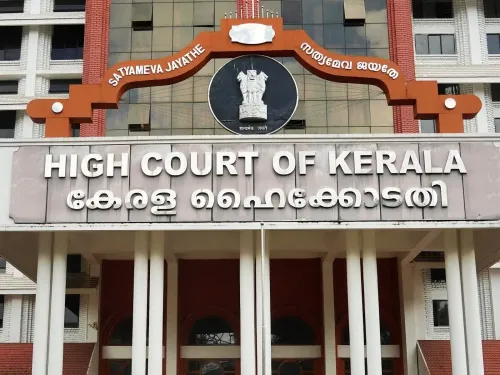
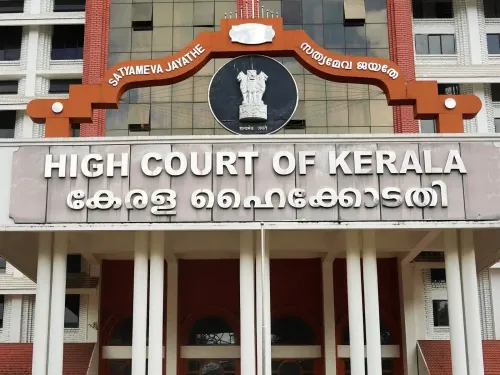
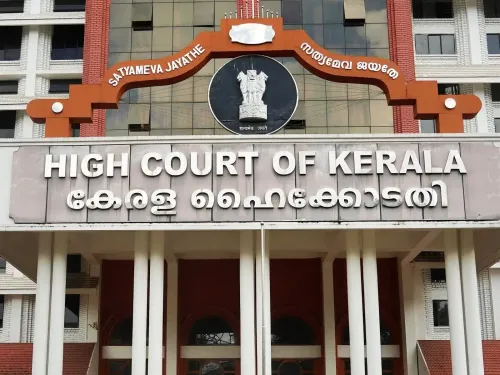
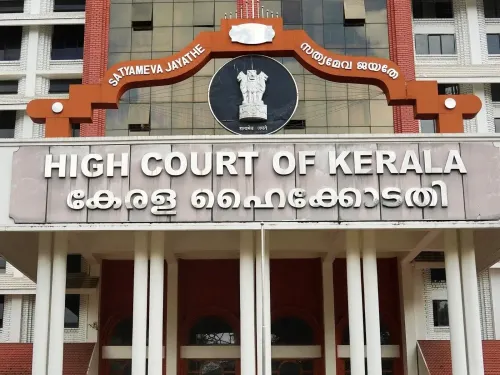
Kochi, Feb 16 (NationPress) The Kerala High Court has revised its previous interim directive in the Suraj Lama case, now mandating that the Special Investigation Team (SIT) assigned to the investigation be led by a Deputy Inspector General of Police (DIG) rather than a Commissioner of Police.
Initially, on February 11, a division bench had ordered the SIT to be led by the Commissioner of Police or an officer of comparable rank.
Following a request from the government pleader, Justices Devan Ramachandran and M.B. Snehalatha amended the order, confirming that the SIT would now be directed by a DIG.
The court instructed the SIT to persist in its investigation, aiming to establish a comprehensive account of events from the moment Lama entered India until his untimely death.
Lama, an Indian national expelled from Kuwait, went missing after his arrival in Kochi. Subsequently, a body discovered in Kalamassery was confirmed through forensic analysis to belong to Lama.
This case has garnered judicial attention after it was revealed that, despite being in a notably precarious state, allegedly with possible cognitive and other impairments, he was allowed to pass through immigration and airport security unassisted.
The court raised concerns regarding the management of deportees, questioning whether an established protocol exists for handling individuals in such situations.
Although Lama's body has been identified, the Bench opted not to dismiss the habeas corpus petition during a previous session.
It urged the SIT to carry on with its investigation into the circumstances surrounding Lama’s arrival in India, noting that the possibility of murder remains a consideration at this point.
With this alteration in leadership, the court continues to maintain vigilant oversight of the investigation, highlighting the necessity for a thorough and responsible inquiry into the events leading to Lama’s disappearance and subsequent death.
Point of View
The modifications in the Suraj Lama case reflect the judiciary's proactive approach to ensuring accountability and transparency in investigations involving vulnerable individuals. It is crucial to scrutinize the processes surrounding deportations and the responsibilities of authorities in safeguarding the rights of such individuals.
NationPress
25 Sept 2026
Frequently Asked Questions
What prompted the Kerala High Court to modify the SIT leadership?
The modification was made following a request from the government pleader, which led the court to replace the Commissioner of Police with a Deputy Inspector General of Police (DIG) to lead the investigation.
What is the significance of the SIT in this case?
The Special Investigation Team (SIT) is tasked with conducting a thorough investigation into the events surrounding Suraj Lama's arrival in India and his subsequent death.
What were the concerns raised by the court?
The court expressed concerns regarding the handling of deportees, particularly about the protocols in place for individuals who may be in vulnerable conditions.
Why is the investigation ongoing despite the identification of Lama's body?
The court has directed the SIT to continue investigating due to the possibility of murder not being ruled out at this stage.
How does this case highlight issues within immigration protocols?
This case underscores the necessity for established protocols to assist vulnerable deportees, especially those with cognitive impairments, during the immigration process.