Is Kerala's 'model' healthcare system under siege as medical educators intensify protests?
Synopsis
Kerala's acclaimed public healthcare system is on the brink of crisis as government medical college teachers voice concerns over systemic neglect. With alarming staff shortages and inadequate facilities, the Kerala Government Medical College Teachers' Association warns of severe implications for health security. Discover the unfolding situation and its potential impact on citizens' access to quality healthcare.
Key Takeaways
Kerala's public healthcare system is under severe strain.
Medical college teachers express concerns over systemic neglect.
375 teaching positions remain unfilled across government medical colleges.
Patients are increasingly relying on private healthcare facilities.
Protests by the KGMCTA will escalate from January 13.
Thiruvananthapuram, Jan 12 (NationPress) Kerala's renowned public healthcare system is currently enduring one of its most severe crises, as educators from government medical colleges caution that ongoing neglect might lead the sector to a point of collapse.
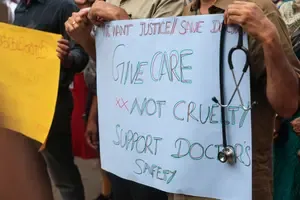
The Kerala Government Medical College Teachers' Association (KGMCTA) declared on Monday that the state's framework for medical education and tertiary care is progressively deteriorating due to staff shortages, insufficient infrastructure, and a lack of decisive policies.
In a pointed statement, the association emphasized that medical colleges represent the pinnacle of India's three-tier healthcare system, playing a crucial role in delivering advanced treatments, training specialists, and conducting research.
"The very foundation of the public health system relies on the excellence of these institutions," the KGMCTA stated, warning that ongoing neglect could jeopardize Kerala's health security.
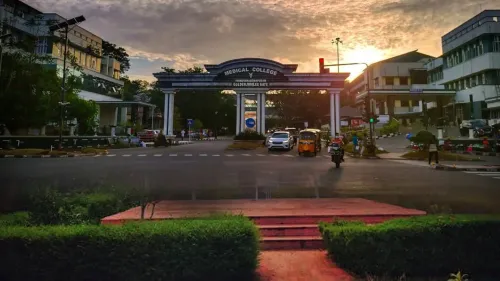
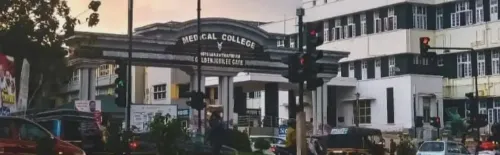
Despite the government's assertion of increasing the number of medical colleges to 14, the association contended that most of these institutions lack even essential secondary care facilities, with only a select few providing comprehensive tertiary care and specialty services.
This deficiency has compelled patients to increasingly rely on private hospitals, significantly raising their out-of-pocket healthcare costs.
According to official statistics, Kerala ranks among the states where patients incur the highest personal expenditures for medical treatment.
The crisis is further exacerbated by a dire shortage of faculty.
As per the association, a total of 375 teaching positions, which include professors, associate professors, and assistant professors, remain unfilled across government medical colleges.
New institutions in Kasaragod, Wayanad, Konni, and Idukki are operating with critical deficiencies in both manpower and infrastructure.
Doctors often find themselves examining between 300 and 400 patients daily, which raises serious safety concerns.
The KGMCTA accused authorities of opting to suspend doctors rather than addressing the underlying issues when errors occur due to excessive workloads.
Delays in recruitment arising from prolonged court proceedings and the failure to implement promised salary revisions and allowances have further demoralized the faculty.
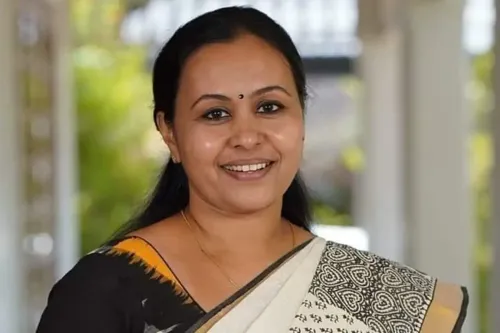
The association remarked that commitments made by the Health Minister during discussions on November 10, 2025, have yet to result in any actionable steps.
Consequently, the KGMCTA has announced a ramp-up of its protests, including indefinite boycotts of outpatient services and non-emergency procedures starting January 13.
However, they have assured that emergency care, ICUs, inpatient services, emergency surgeries, and post-mortem examinations will proceed without interruption.
"This is not merely a protest by doctors but a fight to safeguard the rights of ordinary citizens to affordable, quality healthcare," the association stated, calling for public support and patience during these temporary disruptions.
Point of View
It is essential to recognize the implications of Kerala's healthcare crisis. This situation not only affects the state's residents but also serves as a reflection of the challenges faced in public healthcare systems across India. The KGMCTA's actions highlight the urgent need for reforms that ensure quality healthcare for all. As the nation watches, it is crucial to advocate for solutions that prioritize patient welfare and institutional integrity.
NationPress
25 Sept 2026
Frequently Asked Questions
What is the current situation in Kerala's healthcare system?
Kerala's public healthcare system is in crisis, facing severe staff shortages and inadequate infrastructure, as highlighted by the Kerala Government Medical College Teachers' Association.
Why are medical college teachers protesting?
Medical college teachers are protesting due to systemic neglect, which they believe could jeopardize the quality of healthcare services in Kerala.
How many teaching positions are vacant in Kerala's medical colleges?
Currently, there are 375 vacant teaching positions, including professors and assistant professors, across government medical colleges in Kerala.
What impact does this crisis have on patients?
The crisis has forced patients to increasingly rely on private hospitals, leading to a significant rise in out-of-pocket healthcare expenses.
What actions are being taken by the KGMCTA?
The KGMCTA has announced escalating protests, including indefinite boycotts of outpatient services and non-emergency procedures starting from January 13, while ensuring emergency care continues.